
How to Use Voice Commands to Guide Cat Grooming
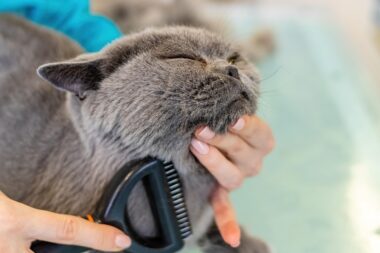
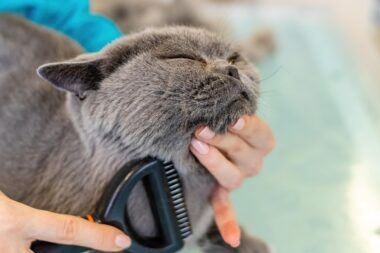
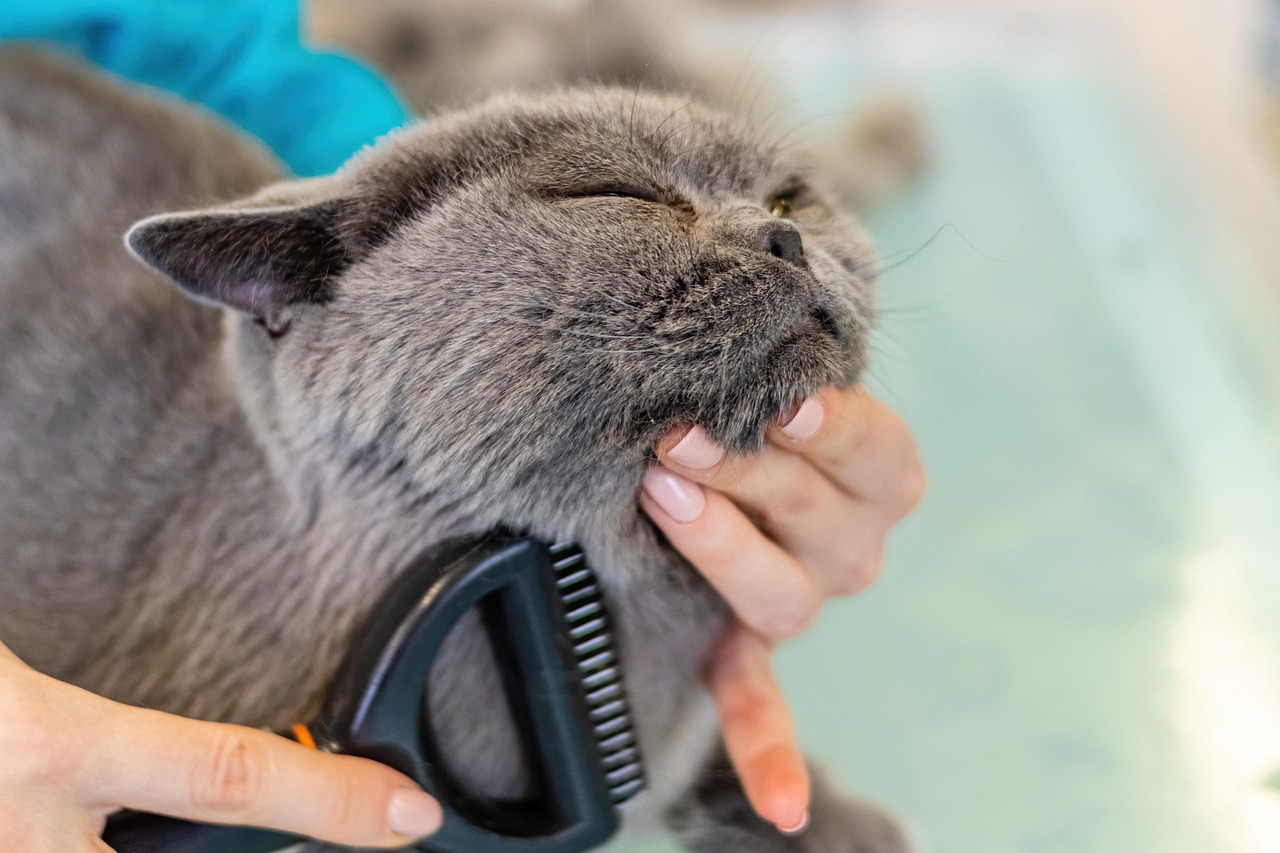
Grooming your cat can be a fun experience, but it often requires a little direction. By using voice commands, you can guide your feline friend through necessary grooming tasks. Start with simple commands like “sit” or “stay” to familiarize your cat with the process. It’s important to speak clearly and calmly, so your cat feels at ease. Gradually introduce more specific commands as your cat learns the basics. Make training a routine, combining grooming and playtime to ensure a positive experience. Cats respond best when they associate the activity with pleasure. Reward your cat with treats or affection when they respond correctly. This not only reinforces the behavior but also strengthens your bond. Remember, every cat is unique, so adjust your approach based on their temperament. Patience is key; they may need time to adapt to this new system of communication. Be aware of their body language and adjust your commands accordingly. Some cats may be more receptive to verbal cues than others, so observe what works best for your furry companion. Make grooming a collaborative effort!
Incorporating voice commands into your grooming routine benefits both you and your cat. When your pet understands what you want, it reduces stress for both parties. Start with basic commands and gradually progress as your cat becomes familiar with the process. A command like “come” may initiate the session, while “turn” can help guide them into the right position. Repeat commands consistently during grooming sessions to reinforce learning. For example, if you’re brushing, use “brush” as a cue so your cat connects the sound with the action. This connection is vital for creating routines. Always keep grooming tools handy to streamline the process. Cats can become restless, so having everything in one place will help maintain their attention. Parallelly, aim to create a comfortable space for grooming. You can use a soft mat or blanket to make the experience enjoyable. Choose a spot with good lighting, which allows you to see your cat’s fur and skin clearly. This practice not only benefits grooming but also helps in detecting any potential issues more effectively. Finding the right environment is essential!
Verbal Reinforcement Techniques
Verbal reinforcement techniques are crucial in ensuring your cat learns commands effectively. When your cat responds correctly to a command, immediately offer positive reinforcement. Phrases such as “good job” or “well done” can motivate your cat to repeat the desired behavior. This reinforces the learning process and builds a pleasant association with the command. With repetition, your cat will start connecting the command with the action you want them to perform. It’s important to maintain a consistent tone of voice while issuing commands. A calm, encouraging tone lets your cat know that the activity is a positive experience. Too much variation in your tone can confuse them. Consistency is paramount in utilizing voice commands effectively; your cat must not be unsure of your expectations. Additionally, leverage treats to complement verbal cues. Combining treats with consistent praise leads to quicker learning. Over time, your cat will recognize these commands without needing treats constantly. Dedication to these methods fosters trust, making grooming a less stressful task. Always prioritize your cat’s comfort during the training and grooming sessions for better cooperation.
Setting the right atmosphere is essential for teaching your cat voice commands easily. Cats are sensitive creatures; loud noises or disturbances can deter their attention. Find a quiet space where you and your cat can focus without interruptions. You can select a comfortable area that your cat is familiar with, like its favorite spot. This familiarity can significantly improve cooperation during grooming. Moreover, consider using calming pheromones or music designed for pets to create a relaxed environment. Soft background music can help soothe a nervous cat, making the grooming experience more enjoyable. Maintain patience while introducing new commands and gradually building trust. As your cat grows more comfortable, you can introduce grooming tools like brushes or combs. Familiarity with these tools is crucial so they are not frightened. Gradually pair the tools with voice commands, reinforcing the behavior by combining them. Pay attention to your cat’s reactions to each command, adjusting accordingly. It’s important to make the grooming session as pleasant as possible to cultivate a harmonious relationship. Adapting to your cat’s needs is vital in this training process!
Establishing Routine with Commands
Routine is an incredibly effective way to reinforce voice commands during grooming sessions. Cats thrive on predictability, and establishing a grooming schedule can help them adapt. Choose specific times for grooming to create a habit; your cat will understand what is expected during these times. Use consistent voice commands during each session to instill familiarity. For instance, saying “groom” as you prepare to start can prepare your cat for what’s next. Over time, your cat may respond positively to the word alone, understanding it will lead to grooming. Simplifying your routine can decrease stress levels for both you and your pet. Additionally, keep grooming sessions short, especially at the start, to maintain your cat’s attention. Gradually increase the duration as your cat grows accustomed to the practice. After each session, reward them with affectionate petting or a favorite treat to reinforce training. This positive association will make your cat more willing to participate in future grooming. Be aware of your cat’s mood during these sessions; adjust your routine based on their comfort and readiness!
Pay close attention to your cat’s grooming needs, as different breeds have unique requirements. Long-haired breeds often need more regular grooming, while short-haired cats may require less. Understanding your cat’s specific needs will help you tailor your commands accordingly. For example, if you’re working with a long-haired cat, commands related to brushing may be more frequent. It can also be helpful to consult a vet or professional groomer for breed-specific advice. Keeping an eye on your cat’s fur condition will inform you about their grooming needs as well. Changes in fur texture, matting, or dander levels are indicators that routine grooming might be necessary. If you notice any sign of discomfort during grooming, adjust your approach and consider using calming techniques. Regular check-ups can also ensure that your grooming techniques are effective and safe. When using commands, try different voice intonations to discover your cat’s preferences. Some cats may respond better to higher-pitched sounds, while others prefer a lower tone. These subtle adjustments make a significant difference in your training outcomes!
Conclusion: Enhancing the Grooming Experience
Integrating voice commands into grooming sessions significantly enhances the overall experience for both you and your cat. These techniques create a more manageable and less stressful environment, fostering cooperation and trust. Remember, it’s essential to maintain consistency and patience while your cat learns. Always reward their efforts, no matter how small, as it contributes to a positive atmosphere. Keeping sessions brief initially, then gradually increasing their length ensures you maintain your cat’s attention. Your bond grows stronger with each successful session, creating a partnership in grooming tasks. Familiarize yourself with your cat’s unique needs and grooming requirements to tailor the voice commands effectively. Adaptability is key; what works for one cat may not work for another. Stay attentive to their reactions and adjust accordingly. Also, remember that ongoing practice leads to longer-lasting results, reinforcing the learned behaviors over time. Enjoy the journey of grooming as a bonding experience, where both you and your cat can feel comfortable. Ultimately, with dedication and love, your cat will confidently respond to your voice commands, making grooming a delightful time!
Integrating voice commands into your grooming routine not only helps in maintaining your pet’s hygiene but also enhances the relationship between you and your cat. Patience and consistency are fundamental elements in this process. Begin with simple commands and gradually introduce complex ones while ensuring your cat understands what you desire. Make grooming sessions enjoyable to create positive associations. For more effective training, always monitor your cat’s body language, noting signs of discomfort or stress. In such cases, it might be essential to adjust your technique or environment. Encourage your cat gently by using treats or praises when they respond correctly to your commands. Remember to keep each routine session at a suitable length, balancing activity and relaxation appropriately. Alternatively, leverage playful behavior to ease your cat into the grooming process. This approach allows for a more pleasant experience for both you and your furry friend. As you build a trustworthy grooming routine together, grooming transforms into a cherished moment rather than a chore. Continue to nurture and expand this bond even outside grooming times to establish a stronger, loving connection!