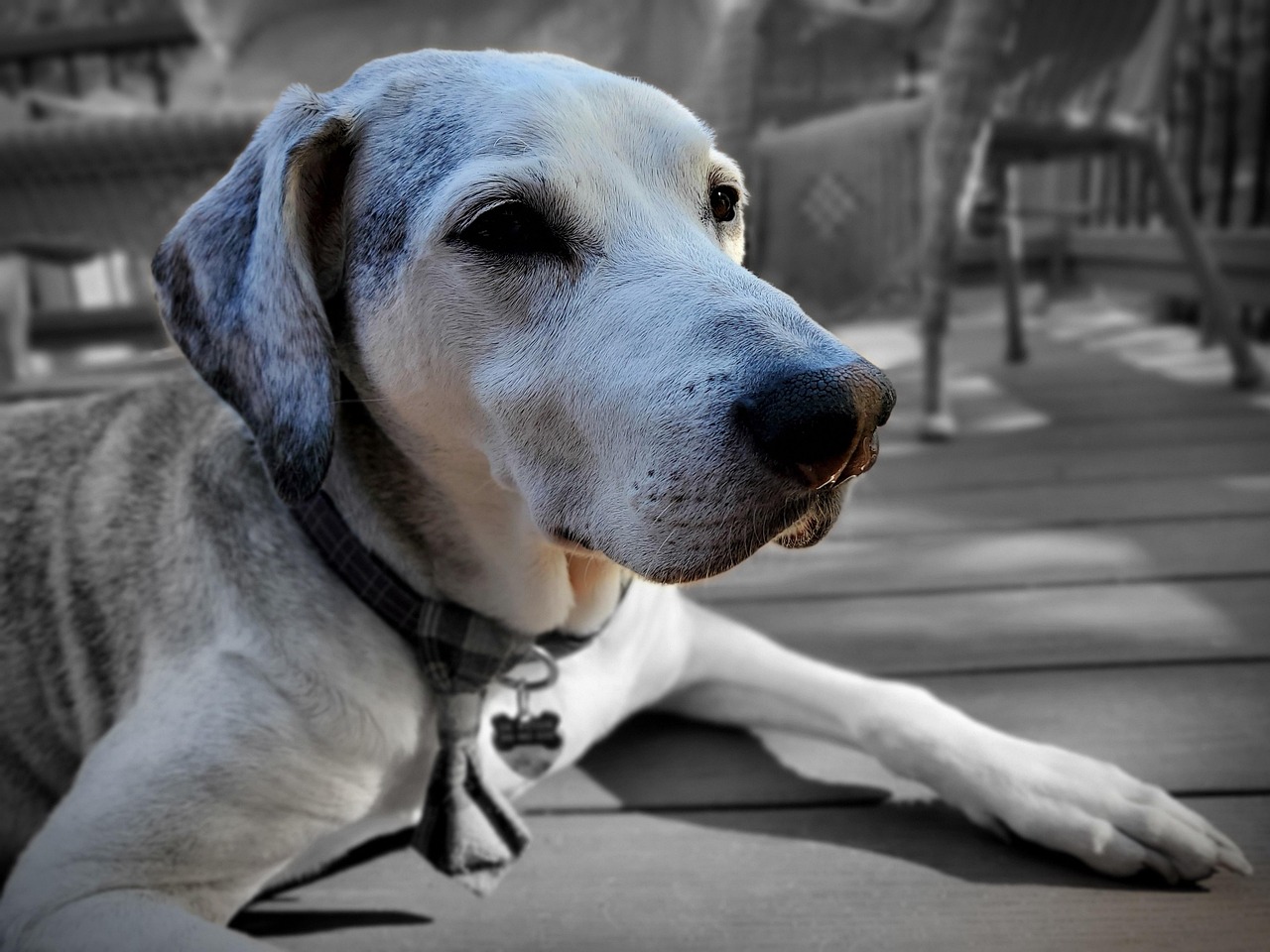

Travel Safety Tips for Senior Dogs
Traveling with senior dogs can be enjoyable when you take proper precautions. It is imperative to consider your dog’s specific needs while planning the trip. Start by ensuring that your senior dog is healthy enough for travel. Schedule a veterinary check-up before departure to rule out any health issues. Some health problems may hinder your dog’s mobility or comfort during the trip. Bring along any medications your dog requires, organized properly in labeled containers. It also helps to prepare a travel kit including food, a leash, water, and dish. Don’t forget their favorite blanket or toy to provide comfort throughout the journey. When choosing accommodations, make sure to book pet-friendly lodging that can accommodate senior dogs. Avoid forcing long travel days, as our furry friends need regular breaks to stretch. Plan frequent stops so your dog can relieve themselves and hydrate adequately. Establish a travel routine to keep your senior dog calm and familiar with the process. Secure them in a crate or use a pet seatbelt while driving. This ensures both safety and reduces distractions while behind the wheel. Keeping your senior dog safe during travel should be a priority.
Maintaining proper hydration during travel is crucial for senior dogs. Older dogs are more susceptible to dehydration, which can worsen health issues. Carry plenty of water and ensure it’s readily available whenever you stop. Offer your dog water every couple of hours, regardless of whether they’re showing signs of thirst. In addition, carrying portable water bowls can be beneficial when you stop for breaks. If the weather is warm, ensure to take precautions against overheating. Senior dogs can struggle with temperature fluctuations, so monitor their conditions closely. Keeping their environment cool and comfortable will help maintain their health. During car rides, avoid leaving your dog alone in a vehicle, as this can be very dangerous. Cracking the windows doesn’t provide sufficient air circulation, and temperatures rise quickly inside vehicles. If necessary, arrange for someone to stay back with them or find pet-friendly stops along the way. Consider packing cooling mats or wet towels. They can provide relief when the temperatures are high. Not only will this keep your senior dog comfortable, but it shows how much you care about their well-being during travels.
Comfort and Support for Senior Dogs
Providing comfort and support while traveling is essential for senior dogs. Given their age, senior dogs sometimes require additional help for mobility. Carry a blanket or bed that your dog is familiar with; this can provide a sense of security. Senior dogs may develop arthritis, which makes it difficult for them to jump in and out of vehicles. Consider pet ramps or steps designed for easier access to cars and accommodations. These aids not only prevent injuries but also make the process less stressful for your pet. Always let your senior dog take their time getting in and out of the vehicle, as hurried movements may lead to pain or discomfort. During travel breaks, allow your dog to explore safely. However, always have them on a leash, as unfamiliar environments may be distracting. Consult your veterinarian for tips on any additional mobility aids or supports specific to your dog’s needs. Create a travel space in the car that accommodates your senior dog’s comfort. With proper planning, you can ensure your dog travels in a tranquil state of mind, enhancing the overall travel experience for both of you.
Always keep your senior dog’s safety in mind when traveling. Be cautious about introducing new experiences that might be overwhelming or stressful. Transitioning to different environments, car rides, and hotel stays can lead to anxiety. Use familiar scents, which often provide comfort to your dog. Their bedding, toys, or even your clothing can help reduce the stress of being in a new place. Additionally, familiarize your dog with the new surroundings slowly by exploring together. Allow them to sniff and take in their environment. This will help them adjust better. Always have essential documents handy, including vaccination records or medical history. These may be required when checking into hotels or during emergencies. Research pet-friendly clinics in the area you will be staying, just in case your dog requires medical attention. It is also wise to check local regulations concerning animals at public parks. Any specific requirements may apply to senior dogs. Provide an up-to-date ID tag on your dog’s collar with your contact information to ensure they can be easily returned if lost. These strategies are vital to keep your senior dog safe and comfortable during travel.
Navigating Air Travel with Senior Dogs
Air travel with your senior dog can be daunting, but with preparation, it can be made safe and comfortable. Check the airline’s pet policy well in advance. Each airline has specific requirements for traveling with pets, which can vary significantly. Some allow dogs in the cabin aboard while others may require them to travel as cargo. Depending on your dog’s size, you might have to book a pet carrier suitable for the cabin. Ensure the carrier is adequately ventilated and not overly cramped, allowing for some movement. When planning air travel timelines, factor in potential delays, as these can be stressful for senior dogs. Having them acclimated to their carrier beforehand can minimize anxiety. It’s also essential to ensure your dog is up-to-date with vaccinations since some airlines require a health certificate from a veterinarian. Make sure to pack any pet essentials including food, water, and medication in your carry-on. Snuggle your dog before the flight and reassure them during the process. This comfort can help manage any apprehensions during the journey. These preparations will ease air travel for you and your senior canine companion.
One of the biggest challenges of traveling with senior dogs is handling various health issues. Older dogs may have specific conditions requiring ongoing treatment. Being aware of these conditions is vital when planning any trip. For instance, some senior dogs may be sensitive to motion sickness, indicating extra care when traveling in a vehicle or plane. Always consult your veterinarian about anti-nausea medications if you suspect your dog might struggle with motion. Recognizing warning signs such as excessive drooling or anxiety can help you intervene before they become overwhelmed. Additionally, consider packing your senior dog’s favorite snacks or meals to encourage eating when away from home. This familiar taste can alleviate stress, as well. If your dog has specific dietary restrictions, prepare in advance and bring suitable food options. Some pet-friendly hotels may lack appropriate food, which could lead to an upset stomach. On trips where you will be away for long periods, check local stores and markets for availability. Ensuring you have enough suitable food will help maintain their well-being. By accounting for your senior dog’s specific health concerns, you can avoid unnecessary stress during travel.
Concluding Safety Recommendations
In conclusion, traveling with senior dogs demands extra attention and care to ensure their comfort and safety. Following the suggestions mentioned in this article can make all the difference in creating a positive travel experience. Always prioritize safety on your travels. This includes securing your dog in a carrier or with a seatbelt suitable for pets. Plan ahead for accommodations, ensuring they are pet-friendly and easily accessible for elderly animals. Frequent stops will allow your dog to stretch their legs and relieve themselves. Hydration management is another crucial aspect; ensure easy access to fresh water throughout your trip. Be observant of any signs of stress or discomfort during the journey. Keep your senior dog’s health records handy and be prepared for any necessary veterinary care at your destination. Remember to maintain a familiar environment by bringing their personal effects along. This comfort enhances their overall experience. Finally, describe your travel plans to your veterinarian for expert guidance specific to your dog’s needs. By taking these precautions, you provide a safer, more enjoyable travel experience for both you and your beloved senior dog.