
Understanding Your Cat’s Body Language
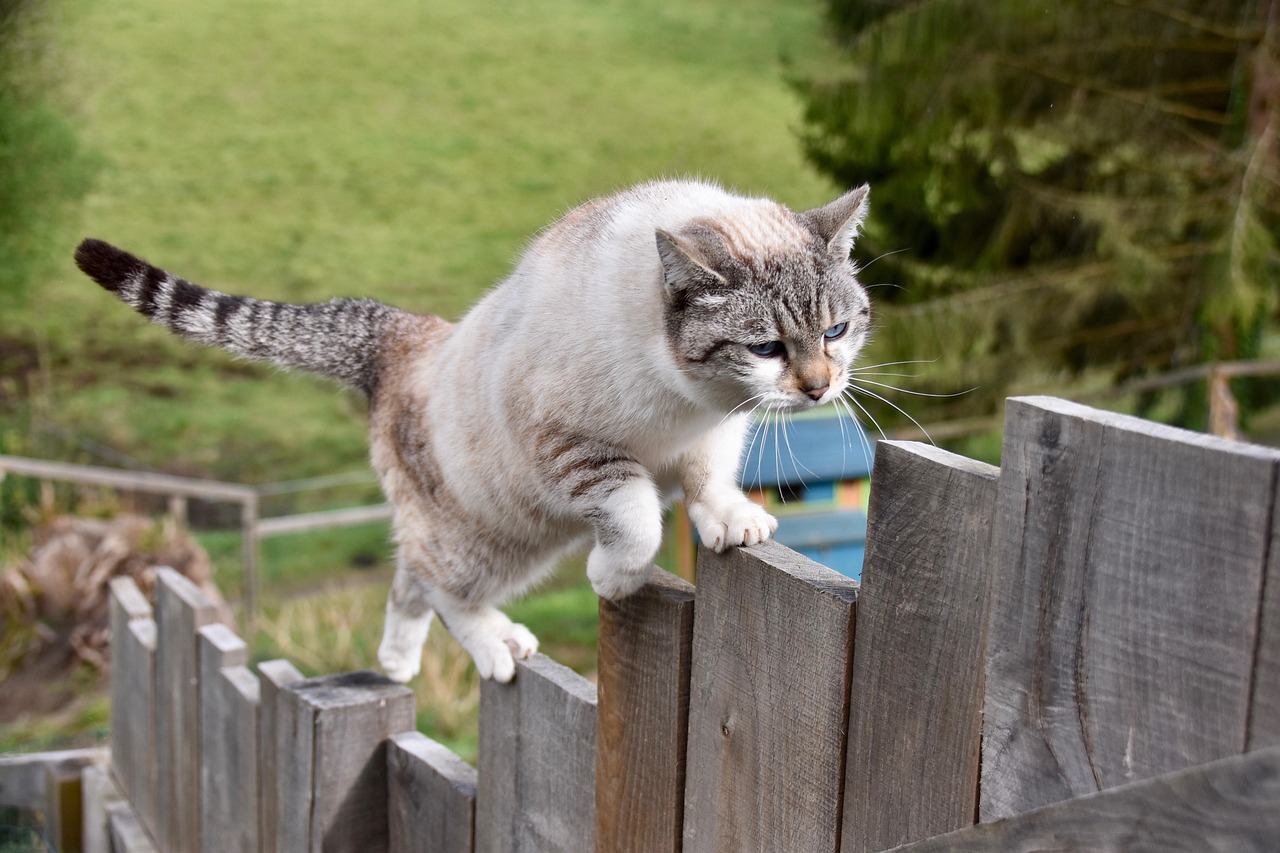
When it comes to agility training for your cat, understanding their body language is essential. Cats communicate through their movements and posture, allowing you to gauge their comfort levels and readiness to engage in training. Pay attention to their ears; forward-facing ears often signal curiosity, while ears pulled back may indicate discomfort. Additionally, a cat’s tail offers valuable insights. A high, upright tail generally shows confidence, whereas a drooping tail might suggest fear or submission. Further, observe their whiskers—if they are pushed forward, your cat is interested and alert. Conversely, whiskers pulled back indicate anxiety. To enhance your training experience, consider: 1. Establishing a comfortable training environment. 2. Using positive reinforcement to encourage desired behaviors. 3. Observing reactions to different obstacles or challenges. All these factors play a crucial role in determining your cat’s emotional state during training. By noting these signals, you can modify your approach accordingly and help your feline friend conquer agility training with confidence. This, in turn, helps build trust between you and your pet, fostering a stronger bond during the learning process, essential for both fun and functional training.
In order to maintain a successful agility training regimen, observing your cat’s reactions during each session is vital. Cats are naturally athletic, but they may not always feel comfortable navigating complex obstacles. Focus on their posture and movements. If your cat constantly looks back at you while traversing an obstacle, they might be unsure or anxious. Offering encouragement or taking a step back to allow exploration can alleviate these emotions. Look for stress signals like excessive grooming or lip licking, which could indicate they need a break. Adjust the intensity and complexity of the course based on their comfort level. Consider gradually increasing the difficulty as they become more experienced. Additionally, incorporating 15-20 minute training sessions helps retain their focus without overwhelming them. Observe their interest levels; if they seem bored or distracted, it may be time to switch activities or end the session on a positive note. Furthermore, monitoring your cat’s body language in daily life can enhance your understanding. This knowledge can translate into other situations, improving communication and strengthening your bond. Remember, a relaxed and confident cat is more likely to enjoy and excel at agility training.
Using Rewards Effectively
A crucial aspect of agility training is the effective use of rewards. Motivating your cat with treats or praise makes learning more enjoyable and reinforces positive behaviors. However, recognize that not all rewards are created equal; something your cat loves may enhance training outcomes. When rewarding, timing is key. Provide rewards immediately after your cat demonstrates a desired behavior—this connection helps them associate their actions with the outcome. Use small, easily digestible treats to keep sessions efficient; this maintains energy levels without overwhelming them. Consistency in using specific rewards fosters reliability in the learning process. Additionally, varying rewards can keep your cat engaged and interested; they may respond better when they anticipate variety. Sometimes, toys, affection, or verbal praises can serve as rewards, fostering an emotional connection. Be aware of their mood—if your cat is feeling less energetic, consider using more enticing rewards. Observe how your cat responds to different incentives, making adjustments as necessary. Creating a balanced mix ensures they stay excited and eager to learn. Always remember that your enthusiasm can significantly impact their motivation; a positive atmosphere is conducive to success in agility training.
Monitoring your cat’s stress levels during training is as important as rewarding them. Training sessions should be a you-and-your-cat journey, not a source of pressure. Signs of stress may include flattening their ears, hissing, or an inability to focus. It’s crucial to watch for these signs, as pushing too hard may lead to negative experiences. If your cat appears stressed, take a break or shorten training sessions. Sometimes, a different location may help enhance their focus. Familiarity with the environment can reduce anxiety, allowing for better performance. Gradually introducing new challenges can help build their confidence; this must be done at their pace. Reinforcing successful navigation of simpler tasks can drive them to tackle more complex obstacles in the future. Providing a moment for them to rest and gather their thoughts before tackling another challenge may also improve performance. Patience is essential; every cat learns differently and may require varying amounts of time to adjust. Providing plenty of positive interactions outside of the training context will strengthen their relationship. Positive reinforcement fosters trust and encourages enthusiastic participation during agility training.
Building Trust Through Understanding
Trust is foundational in a relationship between you and your cat, especially during agility training. Building this trust can significantly enhance the training process. Understanding body language is paramount; when you can interpret your cat’s signals, it becomes easier to respond appropriately. Responsive instruction and support allow a strong bond to develop. Start by giving plenty of time for acclimatization to agility equipment; jumping straight into complex tasks may create stress. Let your cat explore at their own pace, allowing them to investigate equipment before they attempt anything. During training, maintain a calm demeanor—your emotions influence your cat’s reactions significantly. If uncertainty arises, reconsider your approach—adapting your technique may be necessary to help ease your cat’s anxieties. Celebrate small victories, even minor achievements, to encourage further engagement. This helps reinforce positive experiences associated with training sessions. Additionally, nurturing their instincts through play can promote comfort and excitement during training. Positive experiences lead to increased confidence, which aids in focus and performance. Ultimately, a solid understanding fosters a deeper connection between you and your cat, paving the path for innovative training success.
Engagement with your cat’s training can further enhance your bond significantly. Playtime serves as a powerful tool for engagement in between training sessions. Allowing your cat to enjoy play enhances motivation and helps dissipate energy, supporting better focus later on. Different toys may cater to your cat’s unique preferences; experiment with variety to discover which items truly captivate your cat. Engaging in interactive games nurtures instincts and encourages agility skills organically. Tug-of-war, feather wands, and laser pointers can stimulate your cat’s curiosity and agility. While playing, observe their movements and responsiveness—this information can guide you in adjusting training techniques accordingly. The more you engage your cat in fun activities, the more naturally they will harness their skills during agility training sessions. Consistently combining play and training enhances positive associations. A more relaxed cat often performs better, showcasing their agility and confidence. Throughout this journey, it is essential to enjoy each training session with your cat. Provide space for them to express their playful side, nurturing a gratifying relationship for both of you while supporting their abilities. Celebrate every learning experience together, reinforcing that learning can be enjoyable.
Conclusion: The Reward of Understanding
In conclusion, understanding your cat’s body language plays an essential role in effective agility training. By observing and interpreting their movements, you can create a more comfortable and enjoyable training environment. Consider their unique personality traits and reactions, adjusting your training methods accordingly. Remember, the balance between challenge and comfort is crucial, as this will foster engagement. Positive reinforcement with rewards encourages desired behaviors while enhancing the overall experience. Additionally, recognize signs of stress, ensuring that your cat remains relaxed and focused throughout sessions. Trust and connection strengthen the relationship between you and your cat, propelling both of you forward on your agility journey. As you incorporate play and patience, you’ll likely witness their skills flourish over time. Engage with your feline friend often to enhance learning and maintain enthusiasm. Ultimately, shared experiences build bonds and foster a safe environment, crucial for long-term success. With dedication and understanding, you can both enjoy the process of agility training together. Embrace each moment, celebrate progress, and always remember that nurturing a positive experience is the key to enhancing both your cat’s performance and your relationship.