
Top Dog Sports for Different Age Groups and Skill Levels
When it comes to dog sports, there are numerous activities designed for various age groups and skill levels. For young pups, agility training serves as an excellent introduction to more structured sports. It develops their natural instincts while bolstering confidence. Meanwhile, dogs of all ages can participate in obedience competitions. These events not only offer positive reinforcement but also enhance the bond between dogs and their owners. Older dogs may benefit from gentle sports such as rally obedience which emphasizes teamwork and communication. This allows their human counterparts to actively engage without causing strain. Freestyle dancing is another thrilling option available to dogs of all ages and skills; it combines obedience with unique choreography, encouraging creativity. Whether your dog is a beginner or an experienced athlete, there’s a sport suitable for them. Always observe your dog during activities and adjust to their needs. Ultimately, the goal is to spend quality time together while keeping them active. Make sure to research available sports in your area and consider joining local clubs for additional socialization opportunities. Exercise is vital, and engaging in fun activities ignites enthusiasm and can significantly enhance your dog’s well-being.
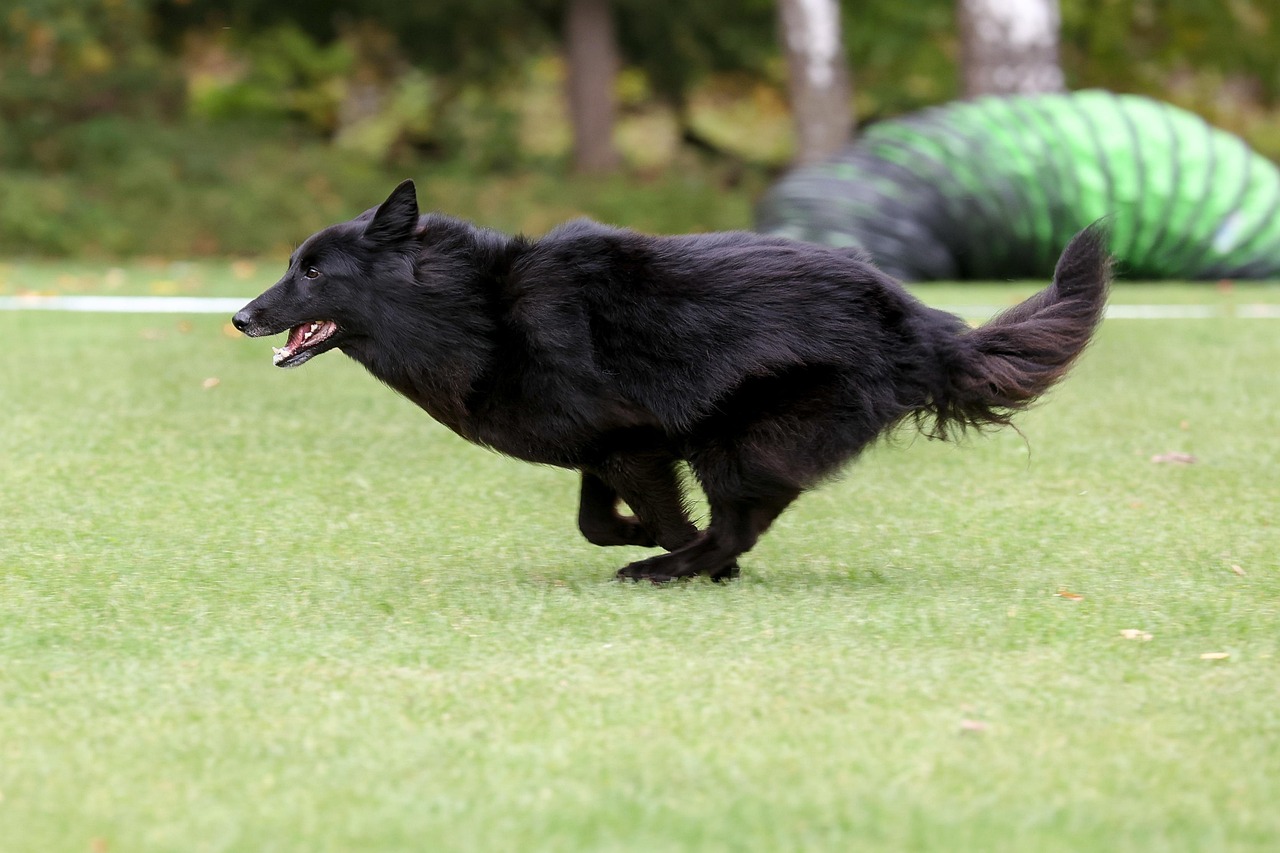
In the world of dog sports, varying skill levels dictate many of the activities dogs can join. Agility training is exceptionally popular among enthusiastic puppy owners. This sport builds not only physical stamina and agility but also the mental strength of your furry friend. A crucial aspect of agility training is to begin with basic commands before transitioning into the more complex obstacles. As they progress, youngsters can benefit from the excitement and sense of accomplishment. For those looking to dabble in canine competitions, options like flyball might pique interest. It is a relay race that demands speed and teamwork, perfect for energetic breeds. Senior dogs can also get involved in sports suited to their activity level. Soft leash walking challenges and scent work are excellent choices for older canines who may not be as sprightly. These activities can stimulate their minds and provide a low-impact workout. Many dog owners enjoy training in tandem with their pets, fostering a strong relationship built upon trust and communication. Ultimately, the key to engaging in dog sports across various age brackets lies in matching the sport to the dog’s physical condition and personal preferences.
The Benefits of Dog Sports
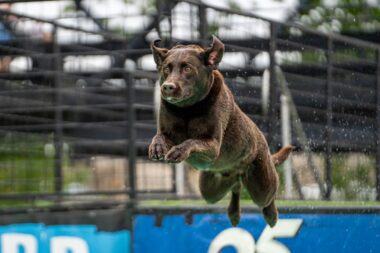
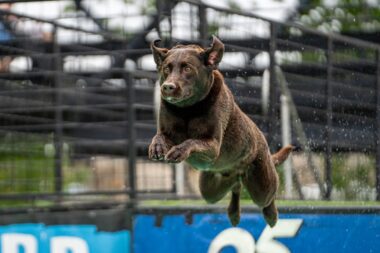
Participating in dog sports yields an array of benefits for both dogs and their owners. Primarily, these activities serve to strengthen the bond between humans and their pets. Whether focusing on obedience training or engaging in more competitive sports, effective communication becomes crucial. Additionally, dog sports promote physical fitness. Regular involvement helps to maintain weight and overall well-being, providing mental and physical challenges that stimulate your dog. Engagement in sports naturally leads to increased socialization opportunities as well. Meeting other dog owners fosters friendships and creates a supportive community for individuals and their pets. Furthermore, certain canine sports, like dock diving, cater to high-energy dogs, offering an avenue for releasing pent-up energy. On the flip side, gentler sports such as cart pulling can be adapted for slower-moving dogs, allowing them to participate. Training for competitions often leads to discovering unique talents your dog may have hidden. It’s exciting to see your dog evolve their skills and embrace a healthy lifestyle through play. As an owner, the joy and pride from witnessing your furry companion excel in a chosen sport are immeasurable and often lead to lasting memories.
Understanding the age brackets for dog participation in sports can be incredibly useful. Puppies typically make excellent candidates for introductory sports that accommodate their high energy and curiosity. Age-appropriate sports like puppy agility help teach them the basics while fostering social interactions. As dogs reach their adolescent years, their training needs shift. This is the ideal time to hone skills such as obedience and responsiveness, preparing them for more competitive environments. Adult dogs may have refined skills, and they often participate in competitions like herding or schutzhund. Both sports require various levels of training and discipline but are immensely rewarding. It’s crucial to consider each dog’s unique temperament and energy levels when selecting sports. For older dogs, gentle, stimulating activities can keep them engaged without overwhelming their bodies. Choosing the right sport can help maintain their physical health, prevent obesity, and keep their minds sharp. Mental stimulation is just as important as physical exercise; accomplishing tasks can keep them fulfilled. Lastly, always remember to take precautions and consult your veterinarian before introducing any new sports, especially if they have pre-existing conditions that may inhibit their participation. Enjoy creating bonds through sports and laughter!
How to Start Your Dog in Sports
Embarking on a journey in dog sports can be an enjoyable experience for both owner and pup. First, evaluate your dog’s interest and energy levels; select activities that align with their natural drive. Start by introducing basic commands, which lays the foundation for sport-specific training. For novice participants, local classes can provide guidance and experience in a supportive environment. Research nearby facilities that specialize in dog sports, and be aware of any seasonal competitions where beginners can participate. Take it slow; ensure that your dog has the opportunity to acclimate to both the activity and environment gradually. Create a consistent training schedule, as consistency is critical for success. Gradually increase the intensity of their training sessions and remember to include playtime. This will keep the experience enjoyable for your dog and motivate them further. When entering competitions, staying positive and celebrating small victories can greatly enhance your dog’s confidence. Lastly, invest in the proper gear and safety equipment to ensure your dog’s well-being during training or competitions. Focus on fostering joy and having fun, which influences long-term success in dog sports.
Before diving into dog sports, preparing both yourself and your dog is imperative. Start by ensuring you have a solid understanding of your chosen sport. Research the requirements, equipment, and training methods so that you can provide guidance effectively. Getting involved in local clubs or forums can help you connect with others who have similar interests. Networking is an excellent way to learn about best practices or gain advice from seasoned veterans. Additionally, focus on quality time with your dog outside of training sessions. This strengthens your bond, and trust plays an essential role in performance during competitions. Creating a structured training routine will not only enhance your dog’s skills but will also yield enjoyment for both of you. Encourage your dog with rewards for positive behavior and accomplishments during training. Regularly assess their progress; if they seem disengaged or tired, do not hesitate to adjust your approach. Variations in training can help retain excited engagement. Ending each session positively reinforces their love for the sport and motivates them for the next training opportunity. Ultimately, navigating the world of dog sports should focus on fun, enrichment, and a strong bond between the dog and their owner.
Conclusion on Dog Sports
In conclusion, exploring dog sports provides wonderful opportunities for dogs across various age groups and skill levels. Whether your dog is a puppy learning agility or a seasoned champion in obedience, there’s a sport tailored to them. Building confidence and competence while enjoying activities together leads to lasting memories. Engaging in these sports increases physical fitness, mental stimulation, social interaction, and reinforces the bond between owners and pets. The thrill of competition adds an extra layer of excitement to training sessions and enhances motivation for both parties. It’s important to remain observant and adapt to your dog’s unique needs, ensuring their enjoyment and success within the sport. Ensure you prioritize safety and appropriate training techniques when participating in competitions. Make use of local resources, clubs, and workshops to foster a deeper understanding of the chosen sport. Always remember, each dog is unique and may have varied tasks they excel at or struggle with. The overall goal is to cultivate joy, exercise, and companionship through thoughtful engagement in dog sports. As your dog develops their skills, your partnership grows stronger, creating unforgettable experiences that enhance both of your lives.