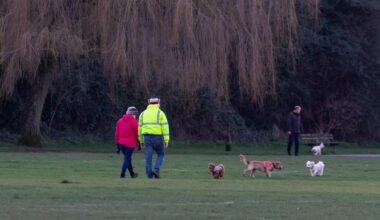

Aggression in Dogs Toward Other Dogs: Causes and Solutions
Aggression in dogs toward other dogs is a significant concern among dog owners, as it can lead to dangerous situations and harm. Understanding the underlying causes of aggressive behavior is essential for effective management and training. Factors influencing aggression can include genetics, early socialization, and past experiences. Genetics may predispose certain breeds to more aggressive tendencies, while socialization, or lack thereof, plays a crucial role in shaping a dog’s behavior. Instances of previous trauma, negative encounters with other dogs, or fear can also contribute to an aggressive response. With a better understanding of these causes, dog owners can take proactive steps to address aggression. This can involve identifying triggers, increasing socialization opportunities, and working on positive reinforcement training. Each dog is unique, requiring tailored strategies for success. Awareness of body language and canine communication cues is important among owners to foster positive interactions with other dogs. Ultimately, addressing aggression in dogs is a journey that requires commitment and patience from owners. The goal is to ensure that both the aggressive dog and their peers can coexist peacefully in various environments.
In addition, breed tendencies can play a role in the development of aggression in dogs. Certain breeds exhibit more pronounced aggressive behaviors depending on their temperament and historical purpose. For example, herding and guarding breeds might show more protective instincts or territorial behaviors, while retrievers may be more sociable. It is essential for owners to educate themselves about their dog’s breed traits to better understand their behavior. Socialization from an early age can significantly mitigate aggression tendencies. Exposing puppies to various environments, sounds, people, and dog breeds can help them develop well-rounded social skills. This foundational period in a dog’s life is crucial for behavioral development. Positive reinforcement techniques can be employed during socialization, rewarding desired behaviors to encourage friendly interactions. Consistency is key in reinforcing calmness and peaceful behavior. If a dog displays aggression, it is vital to address issues promptly and professionally. Owners may consider working with certified trainers or behaviorists who specialize in canine aggression. These professionals can assess the behavioral problems and create customized training plans that suit the dog’s needs. Early intervention can prevent further escalation and potential danger to other dogs or humans.
Recognizing Signs of Dog Aggression
Recognizing signs of aggression in dogs is crucial for the safety of both pets and their owners. Common indicators include growling, barking, snapping, or displaying a rigid posture. Additionally, a dog may show aggression through raised hackles, a tense body, or intense staring. These signals serve to communicate discomfort or a readiness to defend. It is important for dog owners to pay close attention to their pet’s body language to interpret their feelings effectively. Early intervention in the presence of these signs can prevent confrontational situations with other dogs. If a dog begins to show these behaviors while approaching another dog, it is essential to remove them from the situation or redirect their attention. Avoiding conflict can protect both dogs involved, allowing for a calmer and safer environment. Training exercises that promote impulse control can be very beneficial. Encouraging a dog to focus on their owner instead of the perceived threat can shift their mindset. By practicing engaging methods such as
look at me,
Managing Aggression Through Training
Proper management of aggression in dogs requires consistent and effective training strategies. Employing positive reinforcement techniques, such as treats and praise, helps encourage desired behaviors while discouraging aggression. Prioritizing basic obedience training as a foundation establishes clear communication between the dog and owner. Commands like sit, stay, and leave it can be effective tools in mitigating aggressive outbursts. Gradually introducing controlled socialization experiences allows dogs to practice non-aggressive behavior around others. Introducing dogs to reactive situations in a safe and controlled environment can prepare them to encounter other dogs without succumbing to aggression. Maintaining a calm demeanor while training can significantly influence the dog’s behavior. If owners demonstrate anxiety or frustration, it can reinforce the dog’s aggressive tendencies. A positive environment fosters a sense of safety for dogs, reducing fear-related aggression. Moreover, if the aggression stems from fear, desensitization steps can assist. This gradual process exposes the dog to its fears in a controlled way, lessening anxiety. For severe cases, involving a professional trainer or animal behaviorist is recommended. With professional guidance, aggressive behaviors can be effectively modified over time.
Creating a safe space for dogs at home is another crucial aspect in managing aggression. Assigning a specific area where a dog can retreat when feeling overwhelmed helps them cope with their emotions. This space should provide comfort and security away from high-stress environments. This helps in preventive management of their aggressive tendencies. Temporary removal from stressful situations lowers tension and allows the dog to calm down. Additionally, owners should supervise interactions between their dog and others closely. Observing warning signs and having a plan in place for separating the dogs can prevent confrontations from escalating. Leashing is a valuable tool when encountering other dogs in public spaces. This ensures more control and minimizes the likelihood of aggressive behavior. Educating yourself on canine behavior helps in better understanding your dog’s reactions and body language. This knowledge enables owners to intervene before aggressive behaviors manifest. Owners should also encourage positive associations with other dogs through rewards and praise during calm encounters. Building positive reinforcement while socializing with other canines not only enhances a dog’s confidence but also promotes a more peaceful demeanor.
The Role of Professional Help in Overcoming Aggression
In some instances, aggression may persist despite the intervention attempts by the owner. Seeking professional help is vital for improving the situation. Professional trainers or behaviorists possess a deeper understanding of canine behavior and may offer new insights and techniques. These experts assess the specific circumstances that contribute to a dog’s aggression comprehensively. They may employ behavioral modification techniques that are tailored to address unique problems with aggression. These strategies can range from counter-conditioning measures to desensitization exercises. Understanding the root cause of aggression is essential to effectively address it. Appropriate diagnoses lead to the development of the most suitable management plan. Meanwhile, owners should remain committed to using the advice provided by professionals. Consistent implementation of trained techniques at home is critical for sustained improvement. Regular check-ins with the trainer or behaviorist can also help track progress and allow adjustments in the training approach. Engaging in ongoing training promotes a positive relationship between dogs and their owners. This dynamic can enhance a dog’s overall well-being, reducing aggressive tendencies in the long run. With dedication, many aggressive dogs can learn to coexist harmoniously.
In conclusion, addressing aggression in dogs towards other dogs is a multifaceted relationship that requires perseverance and understanding. Owners play a pivotal role in identifying the triggers and signs of aggression, applying effective training methods, and ensuring their dog’s well-being. Continued education on canine behavior enhances owners’ ability to manage aggression productively. Building upon foundational skills through consistent training can lead to overall positive outcomes. Early socialization, understanding breed traits, and implementing positive reinforcement create an environment for manageable behavior. Engaging professionals when necessary ensures that the dog’s needs are met, enhancing the effectiveness of ongoing training practices. Every dog is unique, and what works for one may not work for another. Patience and observation help owners understand the nuances of their dog’s behavior. The goal is to foster an environment where safety prevails for all dogs and their guardians. As aggressive tendencies lessen, owners will observe a more confident and relaxed canine companion. Through proactive steps, education, and supportive practices, dogs can enjoy a well-rounded life with meaningful interactions with their peers. The journey toward behavioral improvement is challenging yet rewarding for both dogs and their families.