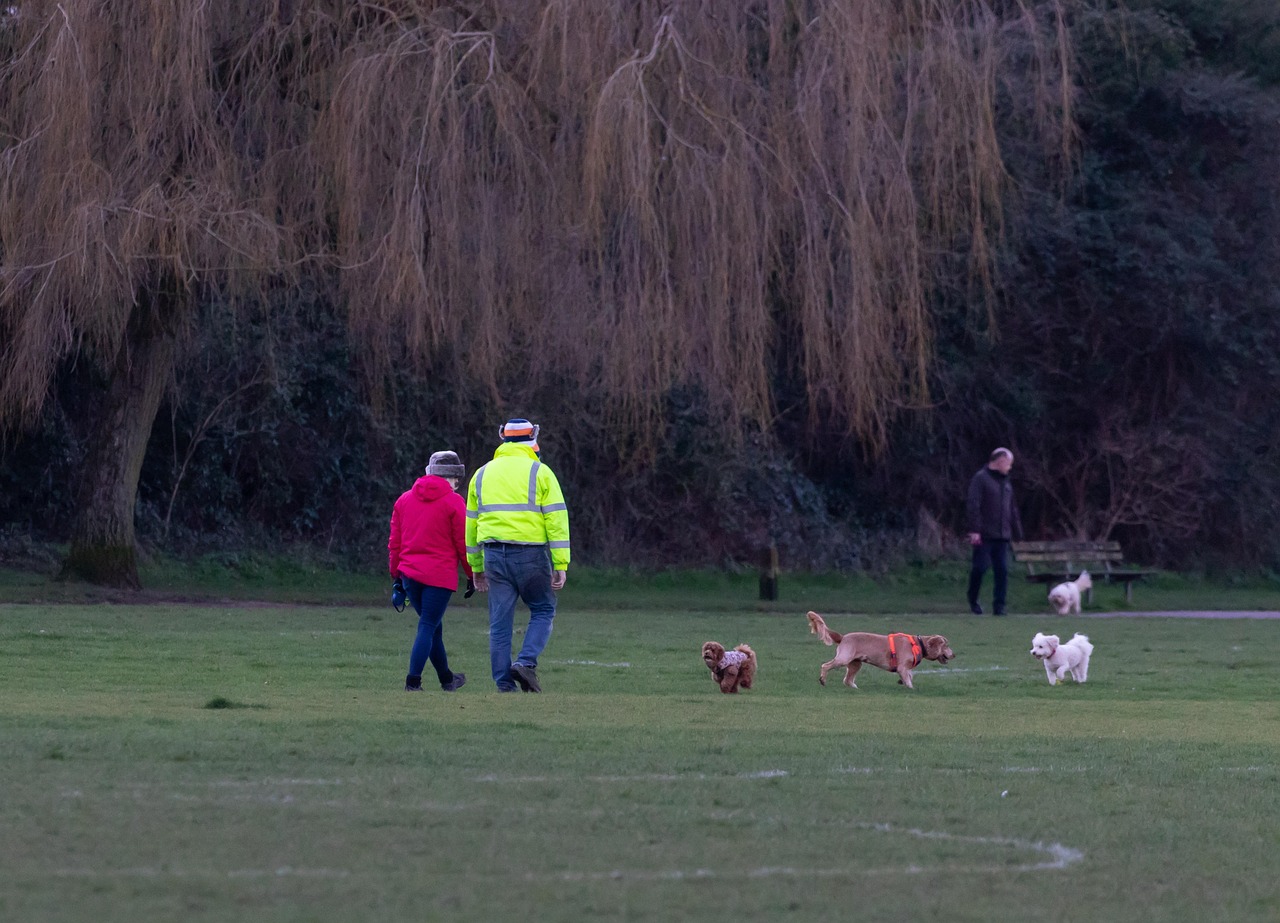

How to Handle Encounters With Stray Animals at Night
Walking your dog at night can be a delightful experience, but it also presents certain challenges. One of the biggest concerns arises when encountering stray animals. These animals may be frightened or aggressive, leading to unpredictable behavior. Preparation is key when going out after dark. Make sure you have adequate lighting, like a flashlight, to illuminate your path and any potential encounters that may occur. This not only keeps you and your dog safe but also allows you to assess situations ahead of time. Additionally, keep a distance from stray animals and observe their behavior. If you see a stray approaching, do not panic; instead, remain calm and assess the situation carefully. Remember, if the animal appears aggressive, it is often best to change your route. Giving the stray animals space usually diffuses potential confrontations, making your stroll more enjoyable. Always prioritize safety first to ensure a pleasant evening walk without any mishaps. Keeping an eye out for wildlife and giving them space is equally important and fosters a more harmonious relationship between humans and animals.
While encountering strays can be a harrowing experience, there are ways to mitigate risks effectively. First, consider keeping your dog on a short leash at night. This gives you greater control and prevents sudden movements that might provoke stray animals. Additionally, wearing reflective gear is advisable for both you and your dog, enhancing visibility during nighttime excursions. Also, avoid keeping food in your pockets or bags, as this can attract strays and encourage unwanted interactions. If you do face a stray animal aggressively approaching you or your dog, a few tricks can assist in diffusing the situation. Try standing tall without making sudden movements; this helps convey confidence. Speak in a firm yet gentle tone, avoiding any high-pitched sounds that could be misinterpreted as fear. Carry a whistle or noise-making device to distract the stray or signal for help if needed. Always have a personal safety plan that includes calling for assistance if things escalate. Preparing for an encounter with a stray animal can help keep both you and your dog safe during nighttime adventures. These simple measures can make a significant difference.
Understanding Dog Behavior During Night Walks
Understanding your dog’s behavior during nighttime walks is essential. Dogs can react differently to the unknown stimuli they experience in the dark, including the scent of stray animals. It’s crucial to recognize early warning signs that indicate your dog is anxious or frightened. Look for body language such as raised hackles, growling, or attempting to back away. If your dog shows signs of distress, redirect their attention using treats or toys. Positive reinforcement plays a vital role in maintaining a calm atmosphere during walks. You can help your furry friend feel secure with consistent training. Consider exposing them gradually to various environments, helping them adapt better to new situations over time. This socialization can include other pets or animals, which fosters a sense of comfort. Additionally, rewarding calm behavior when encountering distractions or noise will encourage your dog to respond positively. Being well-prepared for nighttime strolls means being proactive about your dog’s emotional state and environmental factors. Creating a comforting atmosphere for your dog not only ensures their safety but also strengthens your bond.
If you live in an area where strays are common, consider investing in dog training or seeking advice from a professional trainer experienced in dealing with stray encounters. A trainer can offer practical tips and techniques specifically designed for these types of situations, fostering a sense of confidence in you and your dog. Additionally, training your dog to respond to commands—such as ‘sit’ or ‘stay’—is invaluable for maintaining control during anxious encounters. Regular outings during the day can also improve their behavior at night, as dogs become acclimated to their surroundings. Familiarity helps reduce fear and anxiety, thereby strengthening your dog’s courage. In essence, the more experienced they are with different environments, the less reactive they will be when encountering unfamiliar animals. For added confidence, equip yourself with a basic first-aid kit when going out at night. Being prepared allows you to handle any minor injuries that may occur, ensuring that you and your furry friend continue to enjoy your night walks safely.
Precautions to Take When Walking at Night
Taking specific precautions is essential when walking your dog at night, especially in areas with a known stray population. First, always choose well-lit areas for your walks, avoiding alleys or dark pathways where potential encounters can occur unexpectedly. Opt for familiar trails that you and your dog regularly explore, as this knowledge can help avoid potentially dangerous situations. Carrying pepper spray or a dog deterrent spray can also provide added security for both you and your dog. Ensure you know how and when to use these products; education about proper usage will enable you to react swiftly if needed. Additionally, consider walking with a companion whenever possible; there is safety in numbers. Being with another person can deter aggressive behavior from stray animals. Establish a regular routine with your dog, letting them know when to expect their nighttime walks. A consistent schedule can help them feel more relaxed, especially in familiar areas. Ultimately, planning your walking route and accompanying your friendship will greatly enhance your evening outings.
As you gain confidence in handling nighttime strolls with your dog, involve them in helping with their safety awareness. Engaging your pup in training can deepen the bond between you both while familiarizing them with various environments. Teaching your dog emergency commands such as ‘leave it’ or ‘come’ can help prevent them from chasing a stray or engaging negatively with other animals. Use treats during training sessions to reinforce good behavior. Socialization also plays a vital role in increasing trust levels. Introduce your dog to various sounds, scents, and sights, reducing fear when they encounter unfamiliar animals during walks. Consider participating in a training class to earn rewards. This can foster a secure space for your pet to advance their skills in a social setting. Night walks can be a harmonious experience for you and your dog with a well-practiced approach. Ensuring their comfort will lead to more enjoyable outings with a significantly lower chance of negative encounters with strays, promoting positive experiences that are essential for both parties.
What To Do After an Encounter with a Stray
After an encounter with a stray, it’s essential to assess both your and your dog’s emotional state. Be mindful of any behavioral changes in your dog post-encounter; they might seem more anxious or hesitant. If you observe any signs of distress, allow them time to process the experience by spending more time in familiar settings. Reassure them with gentle pets and calming words to help alleviate their anxiety. If your dog has been in direct contact with a stray animal, it’s wise to consult a veterinarian subsequently. They can evaluate your dog’s health to rule out any possible diseases or infections that might occur. Mention to the vet the details regarding the encounter with the stray to guide their diagnosis. Keeping up with vaccinations, including rabies and other common dog infections, is crucial for your pet’s safety. Make sure you’re aware of the local regulations regarding stray animals and know when and how to report them. Understanding your rights and responsibilities may help you navigate these situations more effectively in the future.
In conclusion, encounters with stray animals at night can be managed effectively through preparation and understanding. Emphasizing safety measures empowers dog owners. Following tranquilization training and developing behavior management allows dogs and owners a greater chance of enjoying night walks while minimizing risks. Consider investing in training or professional guidance to enhance both your and your dog’s experiences. Learning what to do when encountering stray animals can lead to a more rewarding bond, keeping each outing fun. Remember the importance of community; sharing your experiences with fellow dog owners can provide additional insights and support. By discussing your nighttime experiences, you can create a community dedicated to improving dog safety in your neighborhood. Last but not least, never forget the enriching qualities of companionship that dogs bring into our lives. Taking care of them means caring about their happiness and well-being, ensuring that every interaction with strays is handled skillfully. Embrace the safety practices outlined in this guide, allowing you and your beloved pet to roam freely under the stars.