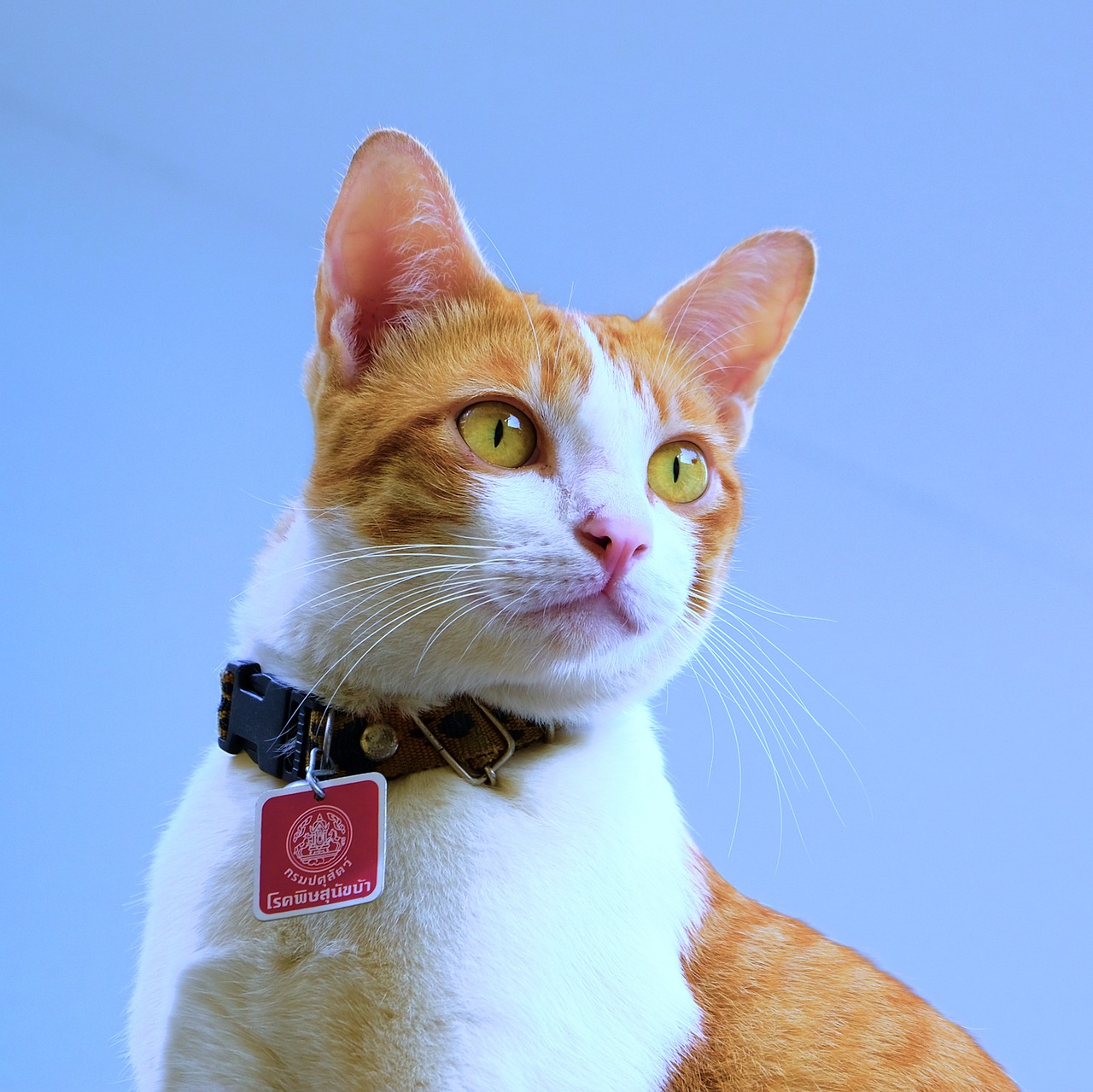

Tips for Introducing a New Collar to a Cats with Anxiety
Introducing a new collar to a cat with anxiety can be a daunting task for many pet owners. It’s essential to approach it with patience and care. Start by allowing your cat to explore the collar while it’s not being worn. Place the collar near their food bowl or favorite resting spot. This will help your cat associate the collar with positive experiences. Reward them with treats when they show curiosity towards the collar. Gradually, they may feel less apprehensive about it. To further ease their anxiety, consider using calming products such as pheromone diffusers or sprays. These can create a soothing environment, promoting relaxation during the introduction phase. Pay attention to your cat’s body language; if they display signs of stress like hiding or excessive grooming, give them more time. Patience is crucial here as rushing the process may lead to negative associations. You want your cat to feel comfortable and secure there. With time and a gentle approach, your cat may accept their collar, enhancing their safety and identification.
When selecting a collar, prioritize comfort and safety. A soft, adjustable collar is ideal for anxiety-prone cats. Look for materials that are lightweight and do not cause irritation, as sensitive cats may react negatively. Furthermore, consider safety features such as breakaway clasps, which allow the collar to release if it becomes snagged. This can prevent accidents and potential injuries. Choosing the right size is crucial; a collar that is too tight may cause distress, while one too loose may pose a risk of getting caught. Measure your cat’s neck before making a selection, ensuring that you can fit two fingers comfortably beneath the collar when it’s on. Personalize the collar with your cat’s name and your contact information for identification purposes, especially for outdoor cats. There are also stylish options available that look great and serve a practical purpose. Explore different colors and designs that suit your cat’s personality. Remember that the goal is to provide comfort while maintaining safety. Opt for reflective collars if your cat ventures outside after sunset, enhancing visibility and safety.
Gradual Introduction Techniques
Gradual introduction is essential when making your cat accustomed to a new collar. Begin by leaving the collar around the house, so your cat can familiarize themselves with its scent. Free for them to investigate without the pressure of wearing it. After a few days, you can try gently placing the collar around your cat’s neck without fastening it. Praise and offer lots of treats during this stage, creating a positive environment. Be observant during this process; if your cat shows hesitation or distress, return to the previous step. It’s crucial to build their confidence slowly. Once the cat appears comfortable, you can fasten the collar, ensuring it’s snug but not tight. After securing it, observe their reactions closely. Distract your cat with playtime or their favorite treat to keep their mind off the collar. This distractive approach will help them associate wearing the collar with fun and enjoyment. If anxiety symptoms arise, do not hesitate to remove it and take a step back in the process. Patience truly is the key to successfully introducing a new collar to a cat that experiences anxiety.
Cats often show reluctance towards change, making it necessary to maintain a calm atmosphere throughout the introduction process. Create a safe space for your cat, ensuring other pets and disturbances are minimal. Consistency in your cat’s routine also helps; keep feeding and playtime regular. Helping your cat feel secure in their environment reduces anxiety significantly. When they feel stable, they’re more likely to accept new experiences, like wearing a collar. Using a specific phrase, such as “collar time,” whenever you introduce the collar can aid in building a positive association. Combine this approach with treats or affection, reinforcing their comfort level. Also, ensure a quiet atmosphere, as loud noises or sudden movements might scare them away. Always be prepared to remove the collar if their anxiety spikes. Never force them to wear a collar, as this may worsen their anxiety. The process may take time, but with consistent effort, your cat can learn to accept and even enjoy wearing their collar. Recognize progress, and celebrate small steps towards comfort and acceptance. Encouraging a joyful interaction will create a greater sense of security for your feline friend.
Positive Reinforcement Strategies
Utilize positive reinforcement to facilitate a smoother collar introduction. Cats respond better to encouragement rather than punishment. Begin by using small treats that they adore every time you engage with the collar. This can reinforce their willingness to approach or wear the collar, making it a more pleasant experience. You might also consider employing a clicker for training purposes. Using this tool, you can create a connection between the sound and the desired behavior. In instances when they willingly interact with the collar or wear it without fuss, dispense a treat alongside the click. Additionally, maintain a calm voice and gentle tone. This reassures your cat that all is well. If your cat becomes distressed, backtrack and reinstate the collar-free period until they show readiness again. Remember that anxiety is a natural response, especially in sensitive cats. Continue reinforcing progression, celebrating milestones like wearing it longer without signs of stress. It’s all about building trust with your feline companion, ensuring they find comfort and security, not fear. At the end of the day, positive associations with the collar can greatly diminish their anxiety.
Monitoring your cat’s behavior is crucial during the collar introduction phase. Engage in playtime sessions to gauge their level of comfort with the collar on. Often, familiar activities can shift focus away from anxiety. Perform regular checks to see how your cat adapts, ensuring that the collar fits as intended. Look for signs of discomfort, such as excessive scratching or attempts to remove the collar. If such behaviors manifest, it may signal that early adjustments are needed. Additionally, offer praise and affection during playtime to create excitement associated with the collar. Gradually increase the time they wear the collar each day. Celebrate small victories, acknowledging how far they’ve come. Remember to be patient; acclimatization takes time. Cats thrive in stability, and with careful monitoring and gentle adjustments, your cat can learn to accept and even enjoy their collar. Never hesitate to consult a veterinarian or a cat behaviorist if necessary. Professional advice can guide further. Your commitment and understanding of their needs demonstrate a strong bond. Keeping your cat’s anxiety in mind signifies your role as a responsible and thoughtful cat parent.
Conclusion: Creating a Positive Experience
Creating a positive experience for your cat when introducing a new collar is essential for success. Patience, understanding, and positive reinforcement can result in a smoother adjustment process. Recognize that each cat is unique, with individual responses to change. Focus on building trust and comfort throughout the introduction. Celebrate every tiny victory you encounter along the way. This strategy can lead to a healthy and safe association with their collar, ultimately enhancing their identification and safety. Ensuring that the collar suits their personality can also augment this experience. Engage with your cat interactively during this journey, reinforcing that they are safe and loved. Over time, with repeated exposure, your anxious cat may no longer view the collar negatively. Instead, they may accept it as a part of their daily life. Continuous monitoring of their behavioral adaptations will be beneficial, maintaining a reflexive approach to their needs. Acclimatization can foster not only safety but also enrich your bond. Ultimately, a positive experience with the collar can result in peace of mind for both you and your beloved cat.