
Feng Shui Principles Applied to Designer Dog Houses
Incorporating Feng Shui principles into the design of dog houses can create an environment that is not only comfortable but also harmonious. The philosophy emphasizes balance, unity, and the flow of energy, or Qi. For designer dog houses, choosing the right placement is crucial. The entrance should face an open area to encourage positivity and comfort. Additionally, using natural materials like wood and bamboo promotes a warm environment. This approach helps establish a peaceful sanctuary for pets and ensures they feel secure and appreciated. Structural aspects should include sharp angles minimized to avoid negative energy. Round designs and soft colors create a personality that is inviting and soothing. Understanding the balance of colors further plays a role in enhancing the dog house’s aesthetics. According to Feng Shui, light colors promote tranquility, while vibrant hues bring energy. Finally, incorporating raised platforms allows for better air circulation and reduces moisture buildup. Thus, dogs feel refreshed and relaxed, reinforcing the importance of thoughtful design with Feng Shui considerations. This harmonious environment can significantly influence a pet’s behavior, happiness, and overall well-being.
When designing a dog house with Feng Shui principles, choosing the right colors is essential. Colors can deeply impact both human and canine emotions. Based on Feng Shui, colors like green symbolizing growth and brown representing stability can be ideal choices. Avoid overly aggressive shades, as they may induce stress. Earth tones create a soothing presence, ensuring that your dog feels calm and secure in their space. Beyond colors, incorporating elements of nature throughout the design can enhance balance. For instance, consider adding plants or natural decorations around the dog house. Plants serve many purposes: they purify air, contribute to aesthetics, and invite positive energy. Furthermore, the shape of the dog house should promote a sense of inclusion and protection. Structures with rounded edges symbolize safety, encompassing both Feng Shui guidelines and a sense of nurturing. It promotes a feeling of a ‘hug’ for your pet. Additionally, textures should be soft and comfortable to maximize relaxation. By harmonizing colors, shapes, and elements of nature, your designer dog house can transform into an oasis where your furry friend can rejuvenate, enhancing their overall vitality and happiness.
The Importance of Location in Dog House Design
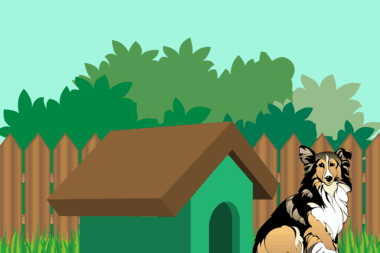
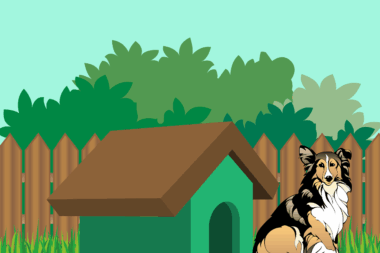
Location plays a critical role when applying Feng Shui principles to designer dog houses. Selecting an optimal spot for the dog house helps ensure that your furry friend feels safe and secure. Ideally, the structure should be placed in a location where it can benefit from the sunlight and has unrestricted views of the surrounding area. This placement allows dogs to be alert and comfortable in their environment. Additionally, ensuring that the dog house is not positioned directly under any tall trees or overhanging branches is key. Such placements increase the risk of falling debris and could invite negative energy. Another aspect to consider is the proximity to other structures, like fences or walls. Keeping a distance from these barriers can promote healthy energy flow. A designer dog house should also be placed in a region where it is not frequently disturbed by foot traffic or loud noises. Ultimately, a well-chosen location provides a sense of security for your dog, reduces anxiety, and enhances the benefits of Feng Shui principles within their living space. A tranquil retreat for your dog leads to increased happiness and well-being.
Another important aspect of incorporating Feng Shui principles is the use of textures within dog houses. Textural elements can greatly influence your dog’s comfort. Materials used should encourage a sense of warmth and safety. For instance, wooden structures with natural finishes can create a comforting environment. These materials resonate with the nature-oriented teachings of Feng Shui, allowing natural energy to flow freely. Soft cushions or bedding elements should also be considered inside the dog house. The right fabrics, such as cotton or wool, promote coziness and warmth. It’s vital to ensure that these items are easy to clean in order to maintain hygiene. Adding elements that engage your dog’s senses further enhances their living space. For example, incorporating surfaces that dogs can scratch or chew on can satisfy their natural instincts. Moreover, including sleeping corners with different textures, like soft foam pads, can allow dogs to choose their preferred spots for rest. Thoughtful usage of textures fosters a supportive environment, reinforcing the principles of comfort and safety central to Feng Shui. The overall theme should be one of balance and tranquility through the entire sensory experience.
Incorporating Aromatherapy into Dog Houses
Aromatherapy is another fascinating aspect that can complement the Feng Shui principles in designer dog houses. Utilizing scents can significantly impact your pet’s mood and well-being. The use of natural essential oils, such as lavender or chamomile, can help calm anxious dogs. These fragrances promote relaxation, making the dog house a peaceful retreat. Additionally, scent diffusers can be discreetly placed within the structure, ensuring that the environment stays fragrant without overwhelming. It’s essential to choose oils that are safe for pets, as certain fragrances can be toxic to dogs. Opt for pure, natural oils, and blend them into a gentle spray or diffuser. Beyond essential oils, incorporating materials like cedar can provide a natural pleasant scent while offering pest-repellent properties. Some dog houses even feature compartments that allow pet owners to place natural herbs or dried flowers. This thoughtful integration of aromatherapy enhances the overall experience of the dog house by harmonizing the atmosphere. When well-chosen, the right scents can elevate a dog’s comfort and happiness, reinforcing the aims of creating an energy-rich environment that embodies the principles of Feng Shui.
In addition to designs, height plays a critical role in dog house architecture when considering Feng Shui principles. A dog house that is too low might not feel secure for a smaller breed. However, a structure too high could intimidate them. The ideal designer dog house should offer a height that allows dogs to comfortably enter and exit while feeling in control. Raised platforms are highly recommended as they allow for better airflow and moisture control. Furthermore, incorporating gentle ramps may be beneficial for senior dogs or those with mobility challenges. Therefore, accessibility is essential! Utilizing height can also deter unwanted pests, creating a safer haven for your dog. Additionally, the overall layout should allow dogs to get a clear view of their surroundings, thereby promoting their sense of security. A well-thought-out height provides physical comfort while adhering to core Feng Shui principles of balance and flow. By focusing on height and accessibility, the dog house becomes a place where your furry friend can explore their environment confidently and peacefully. This aspect not only enhances the usability of the space but also aligns with Feng Shui’s essential philosophy of comfort.
Sustainability and Eco-Friendly Materials
Another significant consideration in designer dog houses from a Feng Shui perspective is sustainability. Using eco-friendly materials aligns harmoniously with the principles of living in balance with nature. Opting for recycled wood, bamboo, or other sustainable materials reduces environmental impact while promoting a healthy atmosphere for pets. By incorporating plants around the dog house or even within the structure, you encourage positive energy flow and air purification. Moreover, these materials contribute to aesthetics, making the dog house appealing and inviting. Sustainable design practices can promote both comfort for pets and serenity for their owners. Furthermore, ensuring that no toxic paints or finishes are used reinforces the commitment to healthful living. Non-toxic products protect pets from harmful chemicals, enhancing their comfort and well-being. Investigating sources of materials is key; local suppliers often provide products with smaller carbon footprints. Additionally, installing elements like solar panels or rainwater collection systems can bring a touch of modern, eco-conscious technology into your dog house. Ultimate sustainability fosters a sense of connection with nature, enhancing the levels of tranquility experienced by both pets and their owners, making their shared space harmonious delight.
When combining all these elements, the ultimate aim is to create a dog house that is a sanctuary for your pet. Emphasizing both aesthetics and functionality creates a dealer’s choice of peace for furry companions. By applying Feng Shui principles, the designer dog house becomes an embodiment of comfort and joy. It reflects care and consideration for the pet’s emotional and physical well-being. Furthermore, engaging all senses during the design phase creates a true oasis. From visual harmony to enhanced aromas and tactile comfort, every element brings forth positivity. Implementing thoughtful planning enhances not just the living space for dogs but also enriches the life experience of the pet owner. This connection fosters a loving atmosphere that thrives on understanding and respect. Each time your pet enters their designer house, they shouldn’t just feel warmth, but rather an echo of thoughtful design. Thus, the endeavor transforms the ordinary into the extraordinary, aligning the living environment with positive energy flow. As such, your designer dog house grounded in Feng Shui principles becomes a sanctuary, ensuring safety, comfort, and overall happiness for your four-legged family member.