
Tips for Introducing Your Dog to New Canine Friends in Rural Settings
Socializing your dog in rural settings can be a rewarding experience filled with stunning landscapes and fresh air. However, it requires careful planning to ensure that interactions with other dogs are positive and constructive. To ease your dog into meeting new canine companions, start by establishing a calm environment. Choose secluded areas, such as fields or forests, where there are fewer distractions. Leash your dog firmly while allowing them to observe other dogs from a distance. This distance lets your dog acclimate slowly, giving them the confidence needed to approach new friends. Pay attention to their body language, as signs of discomfort can indicate that they need more time. Always reward your dog for calm behavior with treats or praise, reinforcing their ability to socialize responsibly.
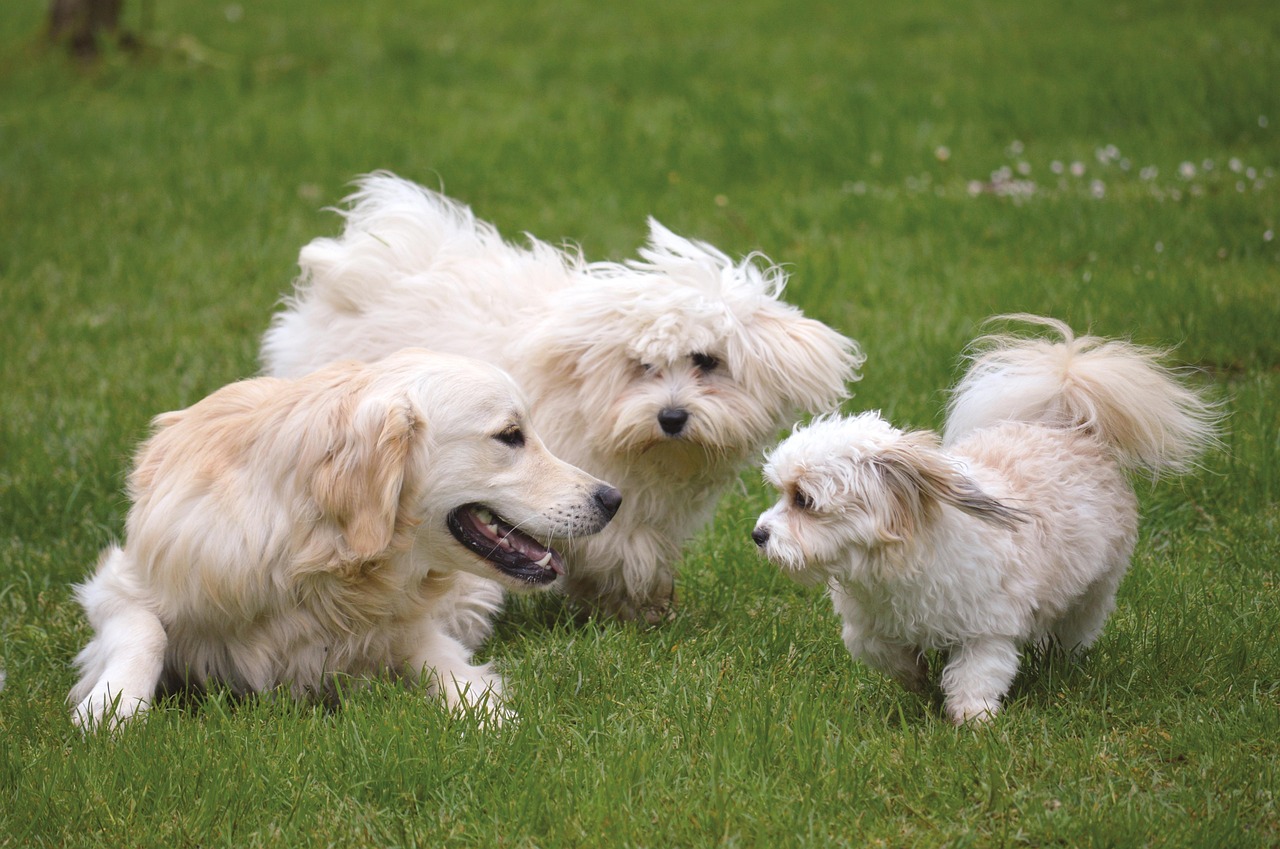
Once you’ve found a suitable location to introduce your dog to new friends, it’s essential to choose the right canine companions. Look for well-mannered dogs, ideally with similar energy levels to your dog, to facilitate harmonious interactions. Before letting them play, perform a controlled introduction by allowing them to sniff each other while on a leash, if necessary. Be observant of their behavioral cues. If either dog shows signs of aggression or anxiety, calmly separate them and consider rescheduling for a different day. It’s important to curate the right mix of dogs, so they complement each other’s personalities. Encourage positive interactions by engaging in fun activities together, such as a game of fetch or chase, to build a sense of camaraderie.
Establishing Trust Through Positive Reinforcement
Establishing trust between your dog and new friends takes time and patience. Incorporate positive reinforcement techniques to create a supportive environment. When introducing your dog to a new canine companion, reward them with praise and treats for calm behavior and friendly interactions. This reinforces their good behavior during socialization experiences. Encourage playtime as a reward so they associate meeting new friends with fun and excitement. Additionally, be sure to use gentle vocal commands to guide your dog through interactions, providing reassurance. Make use of interactive toys to keep both dogs engaged and focused on play, which encourages natural bonding. Avoid scolding or punishing your dog for nervousness; instead, use a confident tone to inspire trust and security in your presence.
In rural areas, wildlife encounters can occur, adding another layer of complexity to socializing your dog. Prepare for potential distractions by keeping your dog on a leash until they’re familiar with their surroundings. Always keep an eye on any signs of interest in wildlife, as their instinct may lead them off track. If you notice your dog becoming overly excited or tense, step back and gradually redirect their focus to you or another dog. Teaching basic commands in such environments is vital to maintain control. A well-trained dog can better navigate encounters and stay focused on socializing. Integration of recall commands can be especially handy when navigating distractions in open spaces, ensuring safety for all.
Creating a Routine for Regular Socialization
Consistent exposure to other dogs is important for building social skills and confidence. Design a socialization schedule that allows your dog to interact with new canine friends regularly. Organizing group playdates can provide structured opportunities for social experiences. Local parks or community events are excellent venues for these gatherings. Always supervise interactions to ensure they remain safe and enjoyable for everyone involved. Another option is to join a dog training class where socialization is part of the curriculum. This setting allows your dog to learn alongside others under the guidance of an experienced trainer. Gradually increase the duration and frequency of these encounters as your dog becomes more comfortable.
Understanding your dog’s yard and outdoor spaces is crucial when it comes to socialization in rural settings. Familiarize your dog with the sounds, smells, and sights of the various environments they will encounter. Take them on daily exploration walks around the neighborhood or local paths, encouraging them to sniff and explore safely. Regular exposure to different scenarios allows your dog to adapt to new settings and increase their confidence. It’s also important to note the temperature and weather patterns; ensure as you socialize, your pup stays comfortable and hydrated. Consider using the rural setting’s natural elements, such as trees and shrubs, to enhance exploration and enhance socialization through playtime.
Monitoring and Assessing Your Dog’s Progress
Monitoring your dog’s progress during socialization is vital to recognize improvement and potential areas of concern. Keep a journal of your experiences, noting interactions and observing behavioral changes. This record can help you identify patterns in your dog’s responses, which may assist in adapting your approach. Regularly assess how your dog interacts in various situations; look for signs of relaxation versus anxiety. Seeking feedback from other dog owners after playdates can provide valuable insights into your dog’s behavior. If you notice persistent issues, consider consulting a professional dog trainer for additional guidance. Tailoring your approach ensures a beneficial experience for both you and your dog.
Developing lifelong social skills for your dog requires commitment and patience. Socializing in rural settings provides unique opportunities that differ from urban experiences, emphasizing the importance of nature and surroundings. By focusing on gradual introductions, fostering trust, and implementing consistent experiences, you give your dog the best chance for healthy interactions with other dogs. The skills learned through socialization enhance their overall quality of life and foster deeper connections as they grow. Continue to embrace rural exploration while making the journey enjoyable and stress-free for both you and your dog. Over time, the benefits of positive socialization will be evident in their happiness and well-being.