
Troubleshooting Your Dog’s Response to the ‘Off’ Command
Understanding your dog’s response to the ‘Off’ command is crucial in ensuring a well-behaved pet. The ‘Off’ command typically instructs your dog to stop doing something undesirable, like jumping on people or furniture. If your dog does not respond to this command effectively, it could be due to several reasons ranging from distraction to confusion. One common mistake many owners make is not practicing the command in various environments. Consistently applying the command in different settings helps your dog understand that the instruction is universal, regardless of distractions. Reinforcement is key; using treats or positive reinforcement will motivate your dog to comply with the command. Another aspect to consider is timing. Ensure that you are giving the command at the right moment to create clarity. If your dog has a history of ignoring commands, it may require a retraining phase. Taking a step back to assess potential causes of their reluctance can significantly benefit training sessions. Lastly, consider engaging a professional dog trainer who can provide expert advice tailored to your dog’s unique behavior. Together, you can create a more effective training plan.
In addition to training, it’s important to be aware of your dog’s body language. Dogs communicate through a variety of signals, and recognizing them can help you when they react poorly to the ‘Off’ command. Is your dog overly excited or frustrated? If they are displaying signs of anxiety or overstimulation, wait for them to calm down before repeating the command. If your dog is not paying attention or is distracted, it’s important to redirect their focus on you. Choose a quiet environment for practice sessions where your dog can focus solely on you and the commands. Remember that consistency in your own behavior and commands is vital; if you are unsure or inconsistent, your dog will be too. Setting clear boundaries is crucial in reinforcing the ‘Off’ command. A structured environment allows dogs to understand what behaviors are acceptable and which are not. Regular practice is also essential; make the ‘Off’ command part of their daily routine, so it becomes second nature. Utilize games and fun activities that incorporate the command to keep your dog engaged and interested in learning.
Another common issue is the incorrect use of the command. Sometimes, owners might say ‘Off’ when they want their dog to stop barking or when the dog is already in a sit position. This confuses the dog about the actual command, leading to inconsistent responses. Instead, use ‘Off’ strictly for scenarios involving unwanted actions like jumping or mouthing. To clarify your intentions, practice commands in isolation and ensure your dog understands what ‘Off’ truly means. If the command is misused, it can cause frustration both for the dog and the owner. In cases where the command appears ineffective, assessing your dog’s training history might be beneficial. Perhaps your dog has not practiced the command enough or has learned to ignore it. If this is the case, it may be necessary to go back to the basics of training and reinforce the ‘Off’ command with positive rewards. Always remember that dogs respond better in an environment where they feel secure and loved. Patience, consistency, and understanding are key components to effectively teaching the ‘Off’ command to your beloved pet.
Understanding Common Behavior Issues
It’s important to consider that some breeds may have a different temperament or inclination that influences their behavior. High-energy breeds may respond differently to commands due to their innate instincts, often prompting a challenge when training. For these energetic dogs, implement training exercises that can channel their energy constructively. Incorporating physical activities into their daily routine could help manage their excitement levels, making them more receptive during training sessions. Additionally, some dogs may be more stubborn, which can interfere with their learning progress. For these dogs, using a combination of persistence and positivity may yield better results. Teaching in shorter sessions, and using catchy cues along with the command can improve engagement and compliance. Engaging your dog in brain games might also help them learn to follow commands better while providing a mental challenge. Further, it’s essential to assess how often you practice the ‘Off’ command. A lack of consistent training efforts can hamper their learning process, making it crucial to integrate the command into everyday situations. Watch for instances where your dog ignores the command, and react accordingly with patience and gentle encouragement.
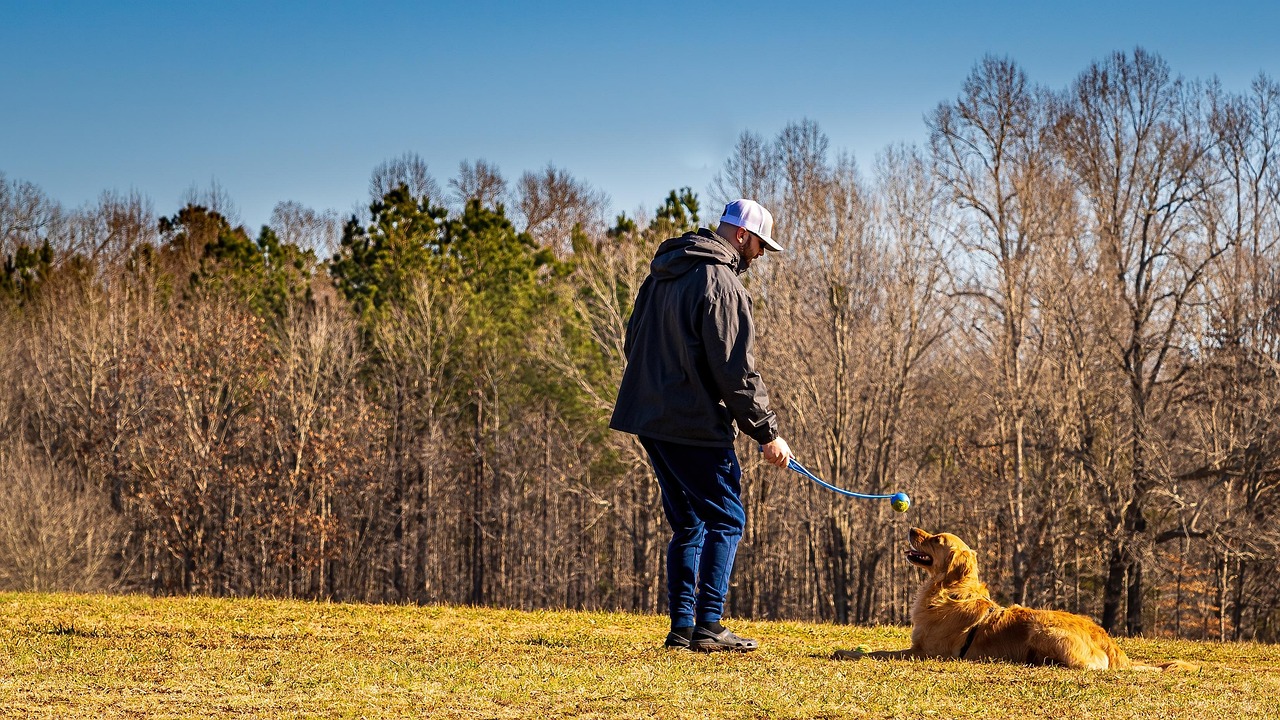
Another helpful tip is to vary your reinforcement methods. Sometimes, simply giving a treat may not be enough motivation for your dog. Experiment with different types of rewards, such as verbal praises, toys, or even playtime, to see what excites your pet the most. Carefully observe their reactions to various rewards. You may find that your dog responds far better to a ball toss after they obey the command than to a treat alone. Keeping rewards varied maintains interest and encourages them to obey the ‘Off’ command. As your dog begins to grasp the command better, trying to phase out treats slowly and replace them with affection or praise can ensure they continue to respond positively while building behavior independence. Seek to create a rewarding environment that encourages interaction. Patience is essential throughout this process, as each dog is unique with their own pace of learning. Never resort to punishment or negative reinforcement when teaching commands, as this may instill fear and lead to reluctance in responding. Foster a positive association with the ‘Off’ command for the best learning experience for your dog.
Engaging a Professional Help
If you’ve tried various methods without notable success, it may be worth considering enlisting the help of a professional dog trainer. Professional trainers are equipped with the skills and knowledge needed to address specific behavioral issues and develop a training plan tailored to your dog’s individual needs. Before choosing a trainer, always check their credentials and experience with training commands like ‘Off.’ A well-informed trainer can provide hands-on instruction and support, helping you address challenges effectively. They can also observe your dog’s behavior in real-time and adjust training strategies accordingly. Sometimes, having an extra set of professional eyes can find solutions that an owner may overlook. Joining a local dog obedience class can also be an enriching experience. Besides training assistance, socialization with other dogs can provide your pet with valuable exposure and could accelerate their learning of commands. On the journey of teaching your dog, it’s essential to remember that each pet is unique. The goal should be to establish a loving and trusting bond, making the training experience not just about commands but also about building mutual respect.
Finally, keep in mind that retraining may be necessary, especially if your dog has developed some bad habits or tendencies. If your dog primarily ignores the ‘Off’ command, reassessing your approach and how you reinforce the command is vital. Consistency should always be your priority during this phase. Begin by going back to the leash and practicing in a controlled environment previously outlined. Set aside a few minutes each day to focus on the ‘Off’ command, being sure to incorporate various rewards to maintain your dog’s interest. Over time, try to replicate distractions gradually when training outside your home. Observe your dog’s reactions closely, and adapt your methods accordingly. Incorporating any new techniques should be natural and consistent. Additionally, consider revisiting basic commands; sometimes, strengthening foundational commands can make other commands easier to learn. Keep your training sessions short and positive, which will help prevent burnout for both you and your dog. Most importantly, remember that training takes time and often involves trial and error. With the right strategies in place, you and your dog can develop a strong and trusting relationship built on effective communication.