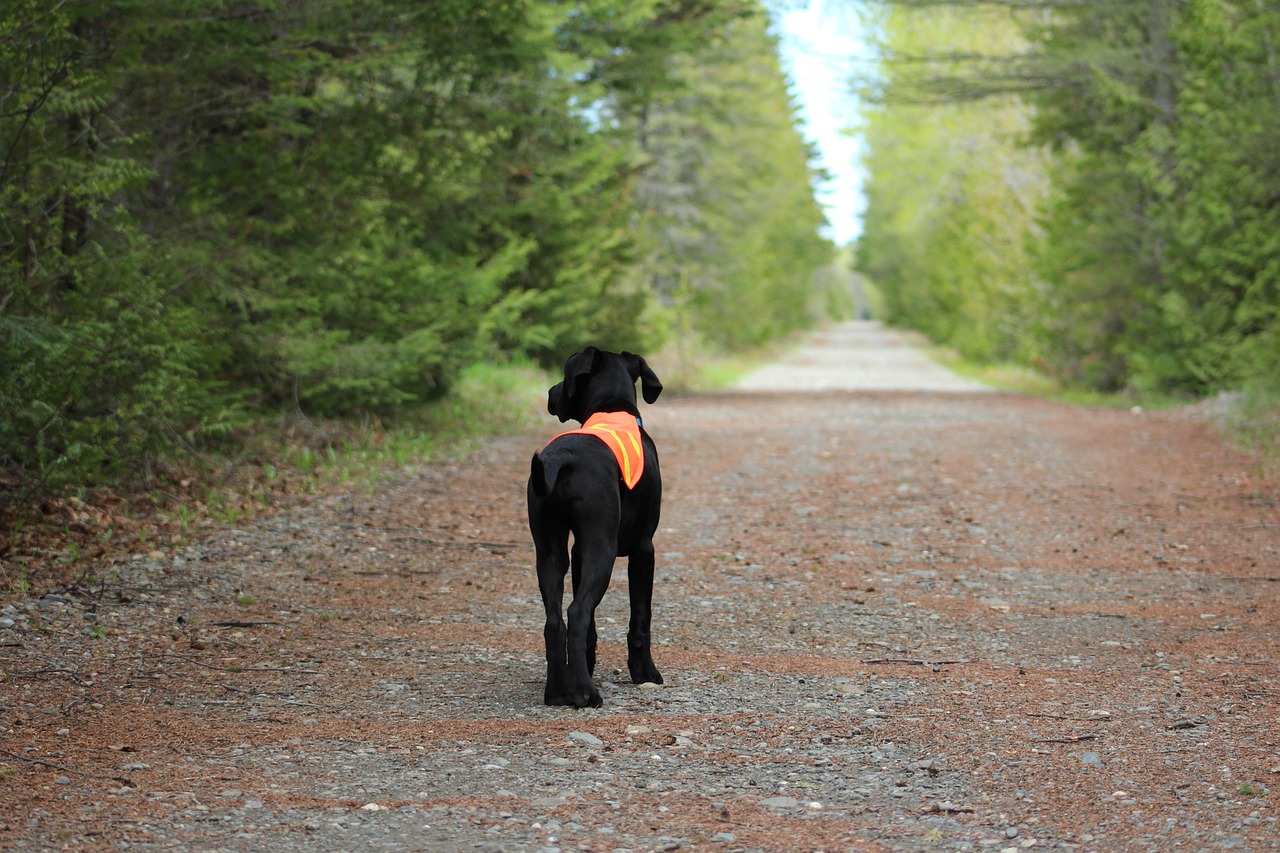

Best Practices for Hydrating Your Dog During Hikes
When venturing out on hiking trails with your dog, ensuring they stay hydrated is paramount. Dogs, like humans, need a sufficient amount of water to maintain their health, especially in an outdoor environment where exercise increases rapidly. Plan ahead by bringing adequate water supply for yourself and your furry friend. It’s advisable to carry a portable dog water bottle or collapsible bowl that can easily fit into your backpack. These convenient items allow for hassle-free hydration whenever and wherever required. Empty them promptly to avoid adding excess weight as you hike. Keep an eye on your dog’s behavior; signs of dehydration include excessive panting, dry gums, and lethargy. As a rule of thumb, dogs generally consume about one ounce of water per pound of body weight daily. However, during outdoor activities like hiking, this amount may increase significantly. Monitor the temperature, duration of the hike, and your dog’s individual needs. Be prepared to take breaks for water every half hour, particularly in warm conditions. By ensuring proper hydration, you’re setting up both you and your dog for a successful and enjoyable hike, strengthening that bond in nature.
One effective method for ensuring your dog remains well-hydrated during hikes involves encouraging regular drinking rituals. It’s critical to integrate water breaks into your hiking routine, giving your dog the opportunity to drink at scheduled intervals. Initiate these breaks every 30 minutes, or more frequently in especially hot weather. You can also carry water in an insulated container to ensure it remains cool, which is pleasurable for your dog to drink. Dogs are often motivated to drink more when water is served in a way that captures their interest. Consider adding a few ice cubes to your dog’s water bowl, creating a refreshing treat. Also, reward your dog with praise when they drink. You can even train your dog to approach water sources, such as streams or lakes, where they can hydrate naturally. However, do verify the safety of the water before allowing them to drink from non-bottled sources. Not all water is safe for consumption, so it’s always better to carry your own supply. Thoroughly planning these measures ensures that your dog receives adequate hydration, facilitating a safe hiking experience.
Another fantastic practice to promote canine hydration during hikes is to pay attention to their dietary needs before the outing. A well-hydrated dog might not drink as much during a hike if they’ve consumed enough fluids beforehand. Consider wet dog food or adding water to their regular dry food in the days leading up to your hike. This could help your dog maintain a good level of hydration before setting out on your adventure. A nutritious treat such as fruits like watermelon can provide both hydration and energy while hiking. Many dogs enjoy the taste of watermelon, making it an excellent hiking snack option. However, avoid any toxic fruits like grapes for dogs. Always remember to take along some hydrating snacks and understand their unique dietary needs. Such foods can act as hydrating supplements during warm conditions and give them energy. Furthermore, maintaining a balanced diet can counter dehydration effects and help your dog sustain stamina while navigating trails. It’s essential to observe how various foods affect your dog to tailor an effective pre-hike meal plan to enhance performance and hydration.
Rest and Recover: Importance of Breaks
Offering your dog regular breaks is another vital practice to assist in keeping them hydrated. Hiking can be strenuous work for dogs, especially in warmer climates where temperatures can cause rapid dehydration. By building in ample time for rest, it allows your dog to cool down and replenish lost fluids. During these breaks, showcase your water supply, encouraging them to drink. It might benefit your dog if they are brought to a shaded area, reducing the heat they feel, which can lead to greater thirst. Have a comfortable mat or blanket handy to give them a cozy spot to relax. This encourages your dog to drink more since they’re comfortable and calm. One important aspect to note is that dogs can be prone to heat exhaustion if they over-exert themselves. Providing proper rest intervals helps prevent this issue. Additionally, you can look into temperature-checking devices that ensure safety during hikes. By paying attention to both hydration and rest, you are prioritizing your dog’s well-being. A well-rested dog can enjoy themselves on the trails, making for a memorable experience for both of you.
When hiking with your furry friend, consider the temperature and climate, as this greatly affects hydration. Different seasons and conditions influence how much water dogs need. Warmer temperatures necessitate more frequent hydration breaks. In extremely sunny weather, dogs may require water every 15 to 20 minutes, especially if they’re engaging in high-energy activities. Alternatively, during cooler months, your dog may not display signs of dehydration as quickly, but do not overlook their hydration needs. Always remain observant; dogs can still become dehydrated in chilly conditions. Adjust the frequency of your water breaks based on the environment; create a flexible hydration strategy tailored to observable conditions. Ensure they are not only drinking enough but also functioning well with their body temperatures regulated. In humid weather, sweat may not evaporate as effectively, so this may also contribute to hydration needs. Bring hydration aides such as dog cooling vests that can further assist in keeping your pet comfortable. By understanding the significant role of climate in hydration needs, you can navigate hikes more safely and effectively, enhancing your dog’s hiking experience overall.
Hydration Sources: Natural vs. Packaged
Choosing the right sources for hydrating your dog is crucial as well. You can opt for packaged water or let your furry friend use natural water sources on the trail. However, natural sources can vary in quality and cleanliness, so it’s essential to remain vigilant. Before allowing your dog to drink from streams or lakes, verify the safety levels of those water supplies; sometimes, they may harbor harmful bacteria or parasites. A collapsible bowl can make it easier for you to serve them bottled water when necessary. On the other hand, bottled water is typically a safer choice, offering more consistency and clarity. However, while utilizing streams and lakes can be convenient when supplies run low, weigh the risks accordingly. Educate yourself about the local flora and fauna that may affect your dog’s health. If you know the water quality may not be ideal, take extra care to have enough bottled water. By carefully selecting hydration sources, you optimize your dog’s health and safety during outings. Remember, your dog’s hydration levels can significantly impact their overall enjoyment of the hiking experience and your journey together.
Lastly, one of the best practices for ensuring hydration while hiking involves carrying a first aid kit tailored for dogs. Accidents can happen, and being prepared goes a long way in caring for your dog’s health. A first aid kit should include essentials such as antiseptic wipes, gauze, and a thermometer, among other items. Moreover, pack snacks that will support hydration as well. Include items like fruit-flavored dog treats that encourage drinking after a hike. These vitamins and minerals can help your dog recover from physical exhaustion and enhance hydration effectively. Furthermore, consider adding electrolyte solutions specially designed for pets, especially if you plan to hike in higher-altitude areas. An electrolyte booster can enhance hydration levels significantly. Make sure to consult with your veterinarian regarding safe electrolyte options. An easily accessible first-aid kit ensures that you’re ready for any unexpected incidents that can occur on a hike. Prioritize your dog’s well-being by keeping such supplies handy while also focusing on hydration strategies. A well-prepared owner fosters a happy and healthy hiking adventure for both you and your beloved dog.
This is another paragraph with exactly 190 words…