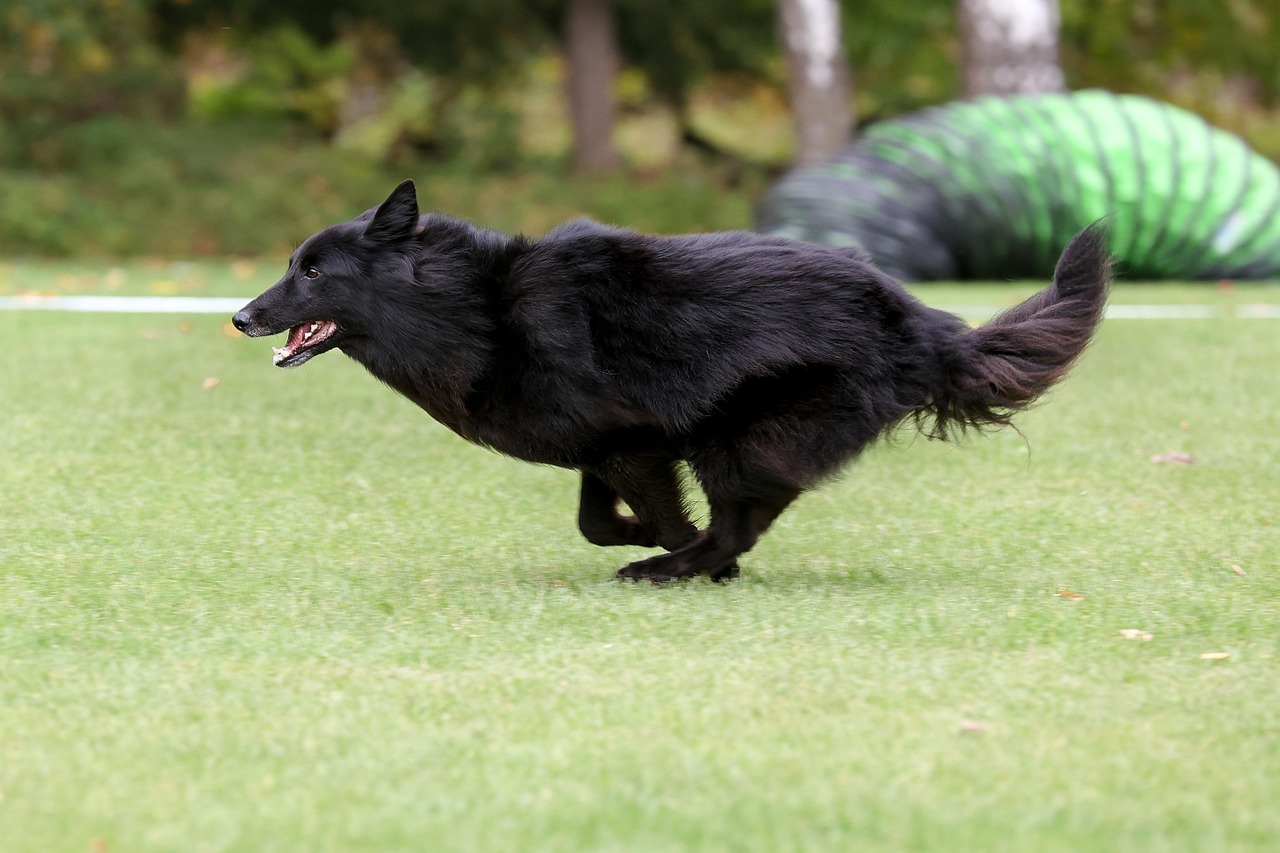

Mastering Basic Agility Commands for Your Dog
Agility training is an excellent way to enhance the bond between you and your dog while improving their physical and mental capabilities. To start off on the right foot, it’s important to learn a few basic commands that will play a crucial role in agility training. These commands include ‘sit’, ‘stay’, ‘come’, and ‘jump’. Begin by teaching your dog to ‘sit’ using treats and positive reinforcement. Make sure you consistently reward your dog for sitting. Once your dog has mastered this command, move on to teaching ‘stay’. This command will help keep your dog in one position, which is vital for agility. The ‘come’ command ensures that your dog returns to you when called, promoting safety and control. Finally, teaching ‘jump’ will prepare your dog for navigating obstacles during agility courses. Remember to be patient and practice these commands in various environments to generalize the learning. A key aspect of agility training is having fun, so make sure to celebrate small victories as you work together.
In agility training, using positive reinforcement methods is essential. When your dog successfully responds to a command, immediately reward them with praise or treats. The quicker the reward, the stronger the association your dog will make between the command and the action. Incorporating play into training sessions can also enhance motivation and enthusiasm. Varying the types of rewards you use, such as treats, toys, or affection, keeps your dog interested and engaged. As you progress, start adding distractions to the environment to help your dog focus better. This simulates the actual conditions they’ll face during agility competitions. In addition, practicing in different locations and with varying surfaces will help your dog adapt to various environments, which is crucial for their training. Remember, each dog learns at their own pace, so don’t get discouraged if progress seems slow. Consistency in your training routine is key. If your dog struggles, consider breaking down the commands into smaller, manageable steps before gradually increasing the difficulty. Patience is vital to developing a strong foundation for your dog’s agility skills.
Establishing a training routine will be beneficial for both you and your dog. Consistency is crucial in reinforcing the commands you’re teaching. Try to designate specific times of the day for agility practice sessions, lasting around 15-30 minutes each. This ensures that your dog remains focused, and you can assess their progress effectively. Along with this routine, set achievable goals to motivate yourself and your dog. For instance, aim to master one new command every week or improve their speed in executing existing commands. Tracking your dog’s progress over time will also help you identify areas for improvement or commendation. As a dog owner, getting involved in a local agility club or group can be valuable too. These environments often provide professional guidance and foster camaraderie among fellow dog trainers. Observing more experienced dogs can offer insights into how to effectively train your own dog. Remember, don’t rush the process; gradually increase the complexity of tasks as both you and your dog grow more competent in agility. Emphasize consistency in practicing and establishing positive habits.
Basic Equipment for Agility Training
Having the right equipment for agility training is essential to ensure that you and your dog can practice effectively and safely. Some common pieces of equipment you might consider include tunnels, weave poles, jumps, and a pause table. Tunnels are great for encouraging your dog to move quickly through obstacles, fostering confidence. Weave poles help enhance your dog’s agility and coordination, requiring sharp turns and quick reflexes. Jumps can be adjusted in height as your dog becomes more skilled, and they can be made from various materials to suit different budgets. A pause table teaches your dog to stop and stay, crucial for certain agility exercises. Investing in high-quality equipment can enhance your training sessions and reduce the risk of injury. If budget constraints apply, you can build DIY versions at home using household items. The key is to ensure all equipment is safe and suitable for your dog’s size and experience level. Regularly inspect the equipment for wear and tear. Creating a safe and engaging training environment is integral to a successful agility training experience.
Socializing your dog plays a vital role in the overall success of agility training. By exposing your dog to various situations, people, and other animals, they will become more confident and less anxious in diverse environments. This is particularly useful during agility training, where distractions abound, and a focused mindset is necessary for optimal performance. Gradually introduce your dog to different social settings, such as dog parks, training classes, and group events. Observing other dogs in action can also inspire and motivate your dog to engage more during training. Additionally, participating in socialization activities can help build your dog’s confidence, which boosts their willingness to try new challenges in agility. Besides developing social skills, ensuring your dog feels comfortable around others will reduce anxiety in competitive situations. Remember to supervise interactions to keep both your dog and others safe. Encouraging friendly interactions with other dogs can enhance their social skills and improve their training experience. Gradual exposure is key; this ensures your dog has the best chance of thriving in both agility training and social situations.
Maintaining Motivation During Training
Like any learning process, keeping your dog engaged and motivated during agility training is paramount. Often dogs can become bored or frustrated with repetitive exercises. To combat this, consider varying your training routines regularly, incorporating different activities and challenges. Mixing in fun play sessions can reinvigorate your dog’s interest in training. Additionally, using high-value treats such as chicken or peanut butter can draw in your dog’s attention and make them eager to participate. Incorporate games or agility-themed challenges to break the monotony. Dogs thrive on mental stimulation, so provide opportunities for problem-solving tasks involving agility elements. Ensure that you maintain an upbeat attitude; your enthusiasm is contagious! Celebrate progress, no matter how small, with praise or a quick game session. Checking in with your dog’s well-being is also crucial; if they seem tired or disinterested, allow them breaks and let them regain focus. Remember, agility training should be a fun and rewarding experience for both of you. Celebrate every achievement, and keep an open mind to adapt training methods as necessary.
Ultimately, building a strong foundation in basic agility commands will prepare you and your dog for more advanced techniques and competitions in the future. By developing a solid understanding of commands and enhancing your training routine, you can progress successfully in the sport of agility. Don’t underestimate the importance of having patience throughout this journey. Mastery takes time and dedication, not only from your dog but also from you as a handler. Keep refining your techniques while continually striving to improve both your and your dog’s skills. Regular practice in a supportive environment fosters growth and confidence. Consider enrolling your dog in formal agility classes or workshops, where professional trainers can offer tailored advice and mentorship. These environments elevate your training and promote camaraderie with fellow dog trainers. Furthermore, engaging in competitions can boost your dog’s confidence and provide a sense of achievement, pushing you both to improve and excel. With commitment and an appreciation for the journey, you can both find joy in your agility training pursuits. Always ensure that the experience remains enjoyable to foster a lifelong love for the sport.
Visual Learning Resources are also helpful for mastering agility training commands. Video tutorials and online courses can demonstrate effective training techniques and offer additional tips beyond traditional methods. Regularly check for updated training materials, ensuring you stay informed about the latest practices and developments in the agility community. Finding the right balance between practicing new techniques and refining existing ones guarantees continued growth in your skills as a dog handler. Ultimately, building a strong bond and mutual trust with your dog is essential throughout this process. The agility training journey is about fostering teamwork and companionship while developing their physical capabilities through interactive and engaging experiences.