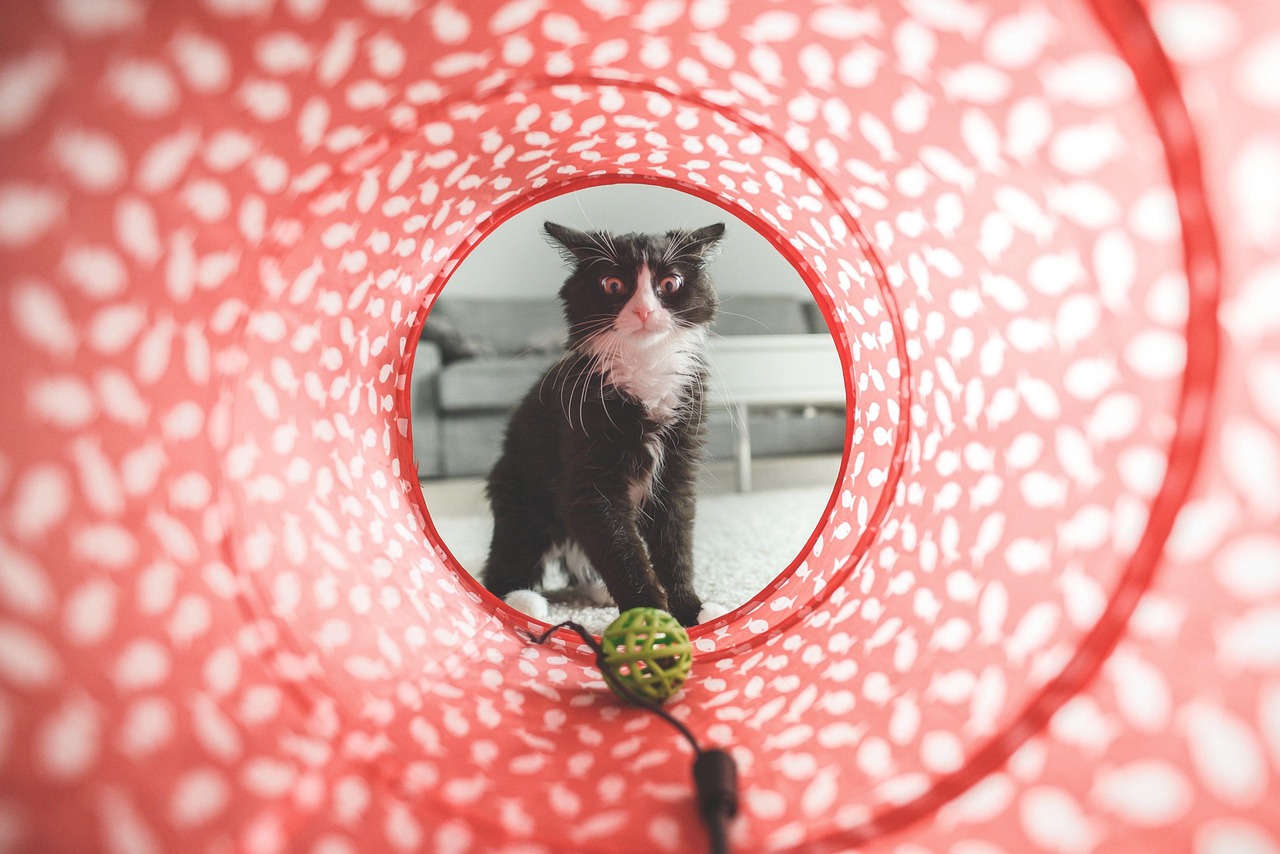

Crafting a DIY Cat Agility Tunnel from PVC Pipes
Creating a cat agility tunnel can provide your feline friend with hours of entertainment. Utilizing PVC pipes to construct a tunnel offers durability and the ability to customize the design according to your space. The first step is to gather necessary materials, including PVC pipes, connectors, and a saw. You can visit any local hardware store to find suitable PVC options. Ensure the lengths of the pipes are appropriate for the size of your cat. Once you have the components, measure out how long you want your tunnel to be. A recommended length is between fifty to seventy-two inches for optimal play. Additionally, consider using a flexible pipe structure to allow for easy storage or relocation. Having a multifunctional design can enhance your pet’s agility training efforts. Also, you may want to include some colorful fabric to line the tunnel’s inside, as cats enjoy vibrant textures. This can make the tunnel even more inviting. Remember to regularly check the tunnel for wear and tear to ensure maximum safety for your kitty. Engaging your cat in agility training can improve mental stimulation and physical exercise.
As you proceed to assemble the tunnel, you’ll need to cut the PVC pipes according to the design you’ve envisioned. Take your time with this step, ensuring all cuts are smooth and even. A measuring tape and a saw will be instrumental in achieving tidy edges. Depending on your design, you might want to include angled joints that can create a winding tunnel effect. This creativity not only makes the tunnel visually appealing but also adds an element of challenge for your cat. Once each piece is cut to the desired length, begin connecting the pieces using appropriate PVC cement, ensuring a secure and stable structure. It’s essential to allow the glue to dry completely before proceeding to the next step. After the framework is constructed, consider adding support around corners to prevent collapsing during use. Regular inspections for stability can keep your pet safe while playing. Once your tunnel is complete, it’s time to test it out with your cat. Use toys to entice your cat to explore the tunnel for the first time. Observe their behavior as they adjust to this new play area.
Enhancing the Tunnel with Texture and Color
To energize your DIY tunnel, incorporating textures and colors can make it more engaging. Cats are naturally curious and are attracted to bright hues. Adding sections of fabric or soft materials can provide them a cozy feeling within their new play area. Consider using fleece or any soft fabric that feels good against their skin. Cut the fabric into strips and attach these securely inside the tunnel using fabric glue or staples on the ends. You can also create fun patterns with various fabric types. This not only stimulates your cat visually but also encourages them to explore their surroundings playfully. Moreover, try to introduce a sensory experience by adding different textures outside the tunnel. You can use carpet scraps or rubber mats to create a zigzag path leading to the tunnel to entice your cat. Make a fun environment that connects play and adventure. It’s vital for your cat’s development to have different forms of exercise. The combination of a brightly colored tunnel and varied textures will surely keep your cat engaged and reduce feelings of boredom.
Another beneficial feature of your DIY cat tunnel can be agility training props. Consider introducing additional components within or around the tunnel to enhance physical activity. Items such as hoops, jumps, or small hurdles made from lightweight PVC additions can promote healthy exercise. You can learn how to build such props online through instructional videos or guides specific to DIY cat agility pursuits. Encourage your cat to jump through the hoops and navigate obstacles as they race through the tunnel. Promoting healthy behavior while also giving your cat a means to show off newfound skills can create a good bonding experience for both you and your pet. The interactions during training build trust and communication, making it easier for you to guide your pet successfully. Ensure that the practice sessions are kept positive, and reward your cat with treats or affection after their efforts. Regular agility training can help your cat stay fit while improving their overall agility and creativity. By making agility training fun, your cat is likely to enjoy the process and meet challenges more enthusiastically.
Safety Precautions for Cat Agility Tunnels
When crafting a DIY cat agility tunnel, ensuring your pet’s safety should be your utmost priority. Start by selecting non-toxic materials such as PVC pipes without strong chemicals or harmful substances. Before letting your cat explore the tunnel, perform a thorough inspection to ensure that there are no sharp edges or protrusions that might cause injury. Additionally, consistently check the tunnel’s stability; it should not wobble or tip while your cat is playing. It’s a great idea to place the tunnel on non-slip surfaces or matting to prevent it from moving unexpectedly. If you use any materials that could peel or fray, regularly renew them to keep your cat safe from choking hazards. Over time, keep an eye out for wear and tear, and retire any piece that appears damaged. With proper oversight and maintenance, your DIY tunnel should remain a safe haven for your cat to enjoy hours of fun. Finally, always supervise playtime to intervene if needed and ensure your cat is using the tunnel as intended. This level of precaution allows for a worry-free play experience.
Incorporating interactivity into your cat agility tunnel can take playtime to the next level. Delve into different ways to engage your pet’s senses further. Ideas include strategic placement of treats or toys at different tunnel points, encouraging exploration and interaction. This not only keeps your cat engaged but also utilizes their natural hunting instincts. Alternatively, consider adding small hidden compartments or peek-a-boo sections that they can discover while playing. This adds an element of surprise and curiosity to the structure and can provide mental stimulation as well. Additionally, it can help to introduce another pet to the agility practice. Allow each cat to take turns utilizing the tunnel as a friendly competition. Creating healthy rivalry can foster friendship and cooperative play. Set up time limits or challenges to see who can navigate the tunnel the fastest. Interactive play benefits your pets significantly, so think about how you can adapt the tunnel atmosphere to match various play styles. Your DIY project becomes more rewarding, creating bonding opportunities while fulfilling your pet’s physical, social, and mental needs.
Conclusion: Enjoying the Cat Agility Experience
Constructing a DIY agility tunnel for your cat not only offers them entertainment but also serves as an effective tool for exercise and skill enhancement. Through this creative venture, you have the opportunity to bond deeper with your beloved pet while providing a structured way to stimulate their natural behaviors. Training, exploring, and navigating will invigorate your cat’s lifestyle and keep them physically active. Always bear in mind that play should remain light-hearted and enjoyable. Adjust your activities according to your cat’s comfort levels and preferences. Regularly updating the setup and incorporating new challenges ensures long-lasting fun. Engaging with your cat during these activities strengthens your relationship and can be a source of joy for both parties. Moreover, sharing pictures and stories of your cat’s accomplishments can inspire other pet owners to create their own agility setups. The DIY cat agility experience reaches beyond just play; it can lead to a healthier, happier lifestyle for your feline friend. Celebrate the time spent together by encouraging agility and exploration. Watch them thrive as they conquer the challenges you’ve prepared.
Creating a cat agility tunnel can provide your feline friend with hours of entertainment. Utilizing PVC pipes to construct a tunnel offers durability and the ability to customize the design according to your space. The first step is to gather necessary materials, including PVC pipes, connectors, and a saw. You can visit any local hardware store to find suitable PVC options. Ensure the lengths of the pipes are appropriate for the size of your cat. Once you have the components, measure out how long you want your tunnel to be. A recommended length is between fifty to seventy-two inches for optimal play. Additionally, consider using a flexible pipe structure to allow for easy storage or relocation. Having a multifunctional design can enhance your pet’s agility training efforts. Also, you may want to include some colorful fabric to line the tunnel’s inside, as cats enjoy vibrant textures. This can make the tunnel even more inviting. Remember to regularly check the tunnel for wear and tear to ensure maximum safety for your kitty. Engaging your cat in agility training can improve mental stimulation and physical exercise.