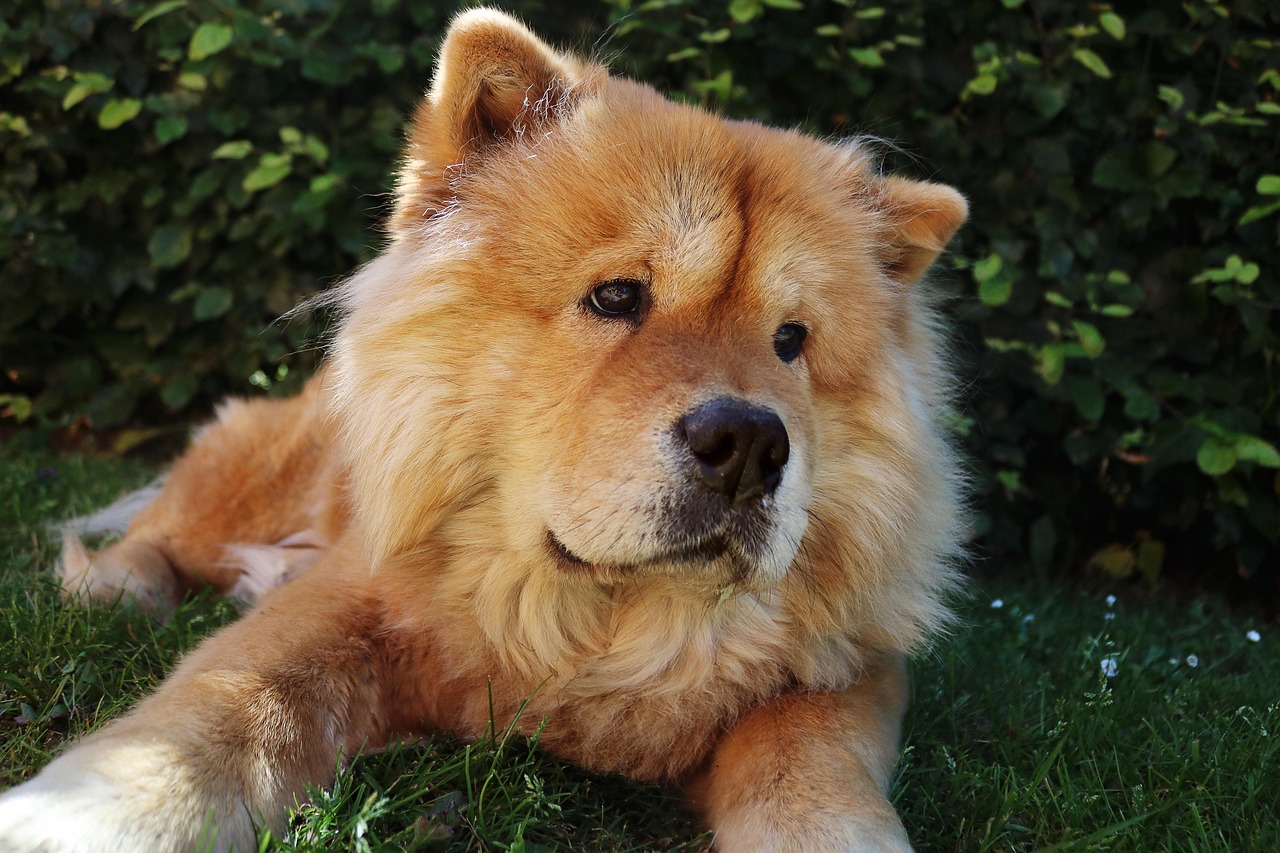

Common Behavioral Traits of the Chow Chow Breed
The Chow Chow is a unique dog breed, renowned for its lion-like appearance and regal demeanor. One of their most prominent traits is their distinct aloofness towards strangers. Unlike many breeds that thrive on social interaction, Chow Chows often exhibit a reserved nature, preferring to observe from a distance. This behavior does make them excellent watchdogs, as they are naturally protective of their families. They possess a strong instinct to guard, adding to their loyal yet independent character. Chow Chows tend to form deep attachments to their owners, often displaying affection through playful behavior. While they maintain a strong sense of territory, it is important for an owner to engage them in socialization from a young age. This helps in mitigating some of their natural wariness towards new people and environments. Lack of exposure can lead to excessive guarding tendencies, which can become problematic if left unchecked. In a home environment, Chow Chows are known for their cleanliness, often taking time to groom themselves. This self-sufficiency might make them seem aloof, but they do require regular interaction with their families.
Chow Chows also have a reputation for being stubborn and strong-willed. This trait influences their training and learning abilities. It is essential to approach their training with patience and consistency. They respond best to positive reinforcement techniques rather than harsh discipline. Owners must learn to use treats or praise to motivate Chow Chows, encouraging them to comply with commands. In training sessions, their independent nature can show through as they may not always follow instructions immediately. This stubborn streak can be misinterpreted as a lack of intelligence but, in reality, they are quite intelligent dogs who think carefully about their actions. When they are engaged mentally, Chow Chows can learn a variety of tricks and commands. Sometimes, overcoming their stubbornness requires creative methods that stimulate their mind. Challenging puzzle toys or obedience classes can be beneficial. Early socialization and diverse experiences can also assist in molding their behavior positively. Consequently, it’s advisable to introduce them to various situations, people, and other animals, allowing them to develop a more adaptable personality. This exposure contributes to a well-behaved and balanced Chow Chow.
Social Behavior of Chow Chows
Social behavior is a critical aspect of the Chow Chow’s nature. As puppies, they learn how to interact with their littermates, which is vital for developing proper canine etiquette. If a Chow Chow is well-socialized during this formative period, they are likely to exhibit more confidence around new people and environments in adulthood. However, if they lack early social experiences, they can grow up to be overly protective or fearful. Maintaining a balance between protectiveness and welcoming behavior is crucial for this breed. When meeting a new person, Chow Chows will typically take time to assess the situation rather than rushing in. Their assessment of new environments is often thoughtful, waiting to judge if everything feels safe. This behavior makes them less inclined to trust strangers. Owners should work diligently to expose them to a variety of situations to prevent overly cautious tendencies. Engaging with other dogs is also important, particularly for establishing healthier social dynamics. Playdates with friendly dogs can help them learn to be more easygoing and adaptable while simultaneously strengthening their bonds with their human crewmates.
A significant characteristic of the Chow Chow’s temperament is their loyalty to family members. Once they have bonded with their owners, they will usually protect them fiercely. This loyalty, combined with their unique personality, requires careful management, especially when children or new pets are introduced into the home. Chow Chows can be quite aloof and may not tolerate rough play, thus requiring supervision around young children. It is advisable for families with small children to teach their kids boundaries when interacting with this breed. Chow Chows generally prefer calm environments and can become stressed in chaotic situations. They thrive in homes where their routines are consistent and predictable. Ensuring a quiet place for their retreat can help them manage feelings of stress. Additionally, consistent daily routines provide security to this breed. This predictability aids them in adapting to their environment while still displaying loyalty and affection towards their families. While social and protective, Chow Chows need to be approached gently, allowing them to express their needs and emotions in a supportive way, enhancing their relational dynamics within the home.
Playfulness and Interaction
Despite their sometimes reserved demeanor, Chow Chows can be quite playful. They enjoy interactive play with their owners, and this trait should not be overlooked. Engaging in activities like fetch or tug-of-war can help strengthen the bond between a Chow Chow and its owner. Introducing toys that challenge their minds is essential to keep them entertained. Chow Chows are intelligent and will get bored if not stimulated, potentially leading to destructive behavior. By incorporating playtime into their routines, it ensures that they remain active and engaged. Establishing a daily play session allows the Chow Chow to expend energy while also providing opportunities for bonding. However, it’s vital to recognize their limits when it comes to physical exertion, as these dogs can also exhibit stubbornness by not wanting to participate if they don’t feel inclined. Owners should observe their body language during play to ensure they are comfortable and happy. Creating a consistent pattern will aid in reinforcing positive behavior, which is invaluable for training. Overall, play is a critical part of maintaining a healthy lifestyle for the Chow Chow while also deepening their connection with you.
In summary, understanding the behavioral traits of Chow Chows is essential for fostering a positive relationship. Their blend of loyalty, independence, and occasional stubbornness requires knowing how to manage their temperaments effectively. Early socialization and exposure play invaluable roles in shaping their personalities, allowing them to mature into well-rounded companions. Engaging them through consistent training, interactive play, and diverse experiences will enrich their lives significantly. Proper boundaries must be set to help them distinguish between appropriate interactions and unwarranted protective behavior. Their loyalty is a double-edged sword, making them excellent protectors but sometimes overly wary. Therefore, ensuring that they are well-adjusted through proper experiences allows them to share an affectionate bond with families and friends alike. Owners must also remember the importance of patience and understanding in their interactions, as Chow Chows can be sensitive beings. Maintaining an environment that fosters trust will aid in building a robust relationship. A Chow Chow can thrive as an exemplary family companion, excelling in its unique characteristics and charm when provided with love and care.
Conclusion on Chow Chow Behavior
The Chow Chow is a fascinating breed known for its unique traits and behaviors. Owning a Chow Chow requires dedication to understanding and nurturing their specific needs. With their naturally independent attitude, owners are encouraged to approach their training and socialization with patience. Successfully managing their temperament is a rewarding endeavor, with strong bonds forming as a result. Their loyalty, when channeled positively, contributes significantly to family dynamics. By providing opportunities that allow them to express themselves while addressing their protective instincts, owners can witness the plethora of love and joy this breed can bring. With a foundation built on early socialization, training, and proper interaction, Chow Chows evolve into cherished companions. They may seem aloof initially, but a well-cared-for Chow Chow possesses boundless affection to share. Each interaction enriches the relationship between the dog and its human companions. Emphasizing understanding, consistency, and patience paves the way for a successful and rewarding experience with this extraordinary breed. Ultimately, a Chow Chow embraces its uniqueness while becoming an integral part of a loving family.
In many ways, Chow Chows reflect the environment they are in, making it essential to provide clear leadership. They thrive on routine and predictability, creating a sense of security in their home life. As family interactions deepen, their personalities can develop, leading to lovely, affectionate behaviors. Owners will often notice their Chow Chows adapting to family lifestyles, whether relaxing or actively joining in on family outings. Choosing the right training methods also fuels positive behaviors. By emphasizing positive reinforcement and rewarding compliance, Chow Chows learn to associate training with enjoyable experiences. The care program should include proper socialization techniques as well, promoting positive interactions with other pets and people alike. It is important to ensure that they feel secure in their environment. Engaging with a pack-like mentality is crucial for Chow Chows, as they function best having structure. Ultimately, the rewards of raising a Chow Chow are great. Their unique blend of independence and loyalty highly enriches the lives of their families. Adapting to their temperament leads to a fulfilling experience for both owner and dog alike.