
DIY Plush Toys for Your Dog: Easy and Fun
Creating DIY plush toys for your dog can be an enjoyable and rewarding activity. Not only does it give you quality time with your pet, but it also provides an affordable way to entertain them. Utilizing soft fabrics, such as fleece or cotton, you can craft a variety of shapes and designs. Make sure the material is safe for dogs, avoiding those that might pose choking hazards. Starting with simple patterns, you can gradually advance to more complex designs as your crafting skills improve. Consider your dog’s size and chewing habits when selecting designs. Toys should be the appropriate size to prevent swallowing. Additionally, stuffing can vary—start with polyester fiberfill or even old, soft shirts or towels. Remember to securely stitch the edges to avoid any potential hazards. Personalized toys with squeakers or crinkle sounds can stimulate your dog’s interest. Providing variety keeps your dog engaged. Cleanliness is crucial; choose fabrics that are machine washable. This ensures the toy remains safe and clean for your furry friend. Getting started with DIY plush toys is a fantastic way to ensure your pet has fun and earthy toys they love.
Essential Materials for Plush Toy Making
When embarking on your DIY plush toy journey for your dog, gathering the right materials is essential. You’ll need a few basic items to get started. Begin with fabric, such as durable fleece or soft cotton, ensuring its safety for your dog. It’s crucial to avoid harsh materials that could harm their mouth. Also, a pair of sharp fabric scissors will be handy for cutting your chosen fabric into the correct shapes. You should have a sewing needle and thread, preferably with sturdy nylon or polyester. Choose strong colors that can withstand some chewing activity. If you wish to add sound to the toy, consider including squeakers or crinkle paper. Stuffing is important too; you can use conventional polyester fiberfill or repurpose old fabrics. Don’t forget a measuring tape or ruler to ensure your toy is the perfect size for your pup. Every item will contribute to the final product’s ability to withstand playtime. Having these materials ready will streamline the process, allowing you to focus on creating an enjoyable toy for your furry friend. Remember that creativity knows no limits; have fun while crafting!
Although selecting fabrics is crucial, designing your plush toy can be exciting. Think of shapes your dog loves, such as bones, animals, or even simple squares. Mock up a design on paper to visualize the finished product. This helps you figure out dimensions and how much fabric you’ll need. For example, if you want to design a plush bone, sketch it on paper, and measure its width and length. Choose colors and characters that will appeal to your dog. Personalization makes the toy feel special. Once satisfied with your design, cut the paper pattern. Pin it to the fabric before cutting, minimizing mistakes. Many pet owners find great joy in adding features, such as googly eyes or tails, to enhance plush toys. Remember to pay attention to sizes since smaller toys might pose choking hazards. You can achieve complex designs using a sewing machine; however, hand stitching is also an acceptable method. During stitching, keep openings for stuffing in mind, ensuring softness in the final product. Don’t rush! Take your time to create something unique, resulting in an impressive and well-loved toy for your pet. Tailor the project to your creativity!
Tips for Safe and Fun Plush Toy Construction
Creating homemade plush toys for your dog can be fulfilling, but safety should be your top concern. Choose fabrics that are free from harmful chemicals and ensure all materials are non-toxic. Inspect every part to make sure there’s no choking hazard; avoid embellishments that can easily detach. Paying attention to seams is essential; double-stitch critical areas for added strength. Using a sewing machine can ensure durability overall. Ensure your plush toys are washable; by choosing machine-safe fabrics, it’s easier to keep them in top shape. Cleaning ensures your dog stays healthy, free from allergens or bacteria that can reside on soft toys. You might also want to opt for colors that won’t bleed during cleaning cycles. Regularly check the toys for wear and tear; replace them as needed to prevent accidents. Be cautious about your dog’s chewing habits; some breeds are more destructive, requiring tougher toys. Should you feel uncertain about a design, consult various crafting communities for their advice. Learning from others’ experiences can enhance your craft. As a bonus, share your creations on social media to inspire fellow pet owners!
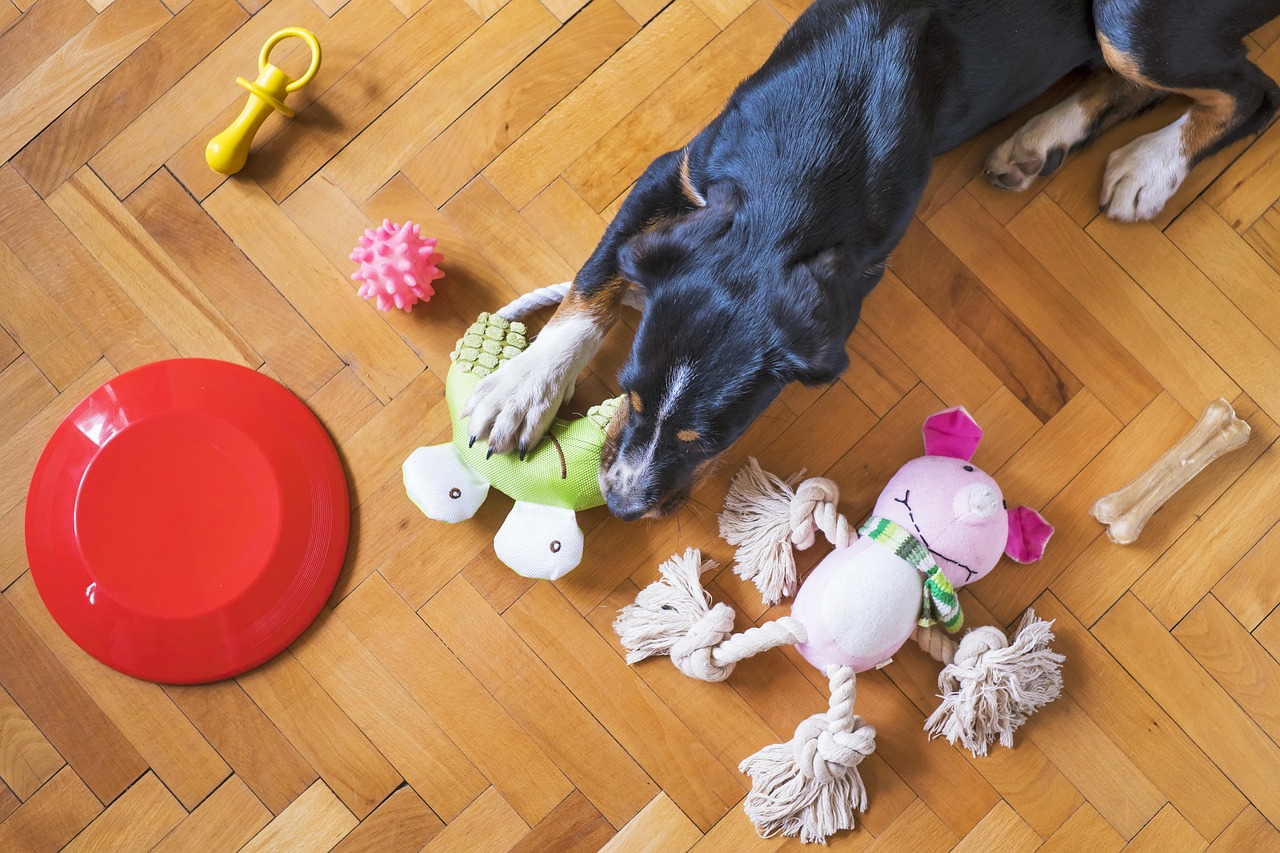
After completing your plush toy, it’s time to introduce it to your dog. Start with excitement; present the toy enthusiastically to grab your pet’s attention. Dogs often respond to their owners’ moods, so showing excitement can elicit a happy reaction. Allow your dog to sniff and investigate the toy first, encouraging curiosity. Observe how they interact with the plush toy and make adjustments if necessary. For instance, if they seem hesitant, try engaging them with a bit of play. Tug games are excellent ways to encourage interest in plush toys. Use treats or favorite commands to better engage them with the toy. Monitoring their reaction to the plush design is crucial; adapt future designs based on their preferences. If they love specific colors, incorporate those into your next creation. Always supervise during playtime, especially with new toys. Supervision helps prevent any accidents and ensures your dog enjoys the toy safely. Taking time to play can strengthen the bond between you and your pet, enhancing the benefits of your DIY project. Soon, you’ll have a joyous pup happily entertained by plush creations.
Maintaining Your DIY Plush Toys
Once your dog enjoys their custom plush toy, maintaining its condition is essential for longevity. Regularly inspect the toy for any signs of damage, including loose seams or stuffing. Address these issues promptly to prevent further damage and keep your dog playing safely. Machine washing plush toys is advisable, especially if they get dirty from outdoor adventures. Washing ensures hygiene for your furry friend, reducing the risk of germs. Check washing instructions, as some materials are highly sensitive to heat or agitation. Use gentle detergent when cleaning to avoid any harmful residues. Additionally, line drying is preferable to prevent fabric shrinkage. While many toys can handle the washing machine, some handcrafted features may not. For those, consider spot cleaning instead. Even after regular cleaning, rotating toys can prolong their life. By alternating between a few favorites, you can keep your dog engaged and allow other toys to rest. Encouragement and care will enhance your dog’s playtime and the lifespan of your plush creations. When well-maintained, DIY plush toys can provide endless fun and comfort, especially for your beloved canine companion.
In conclusion, crafting DIY plush toys for your dog combines creativity with love. This entertaining activity nurtures your bond while providing endless play opportunities for your furry friend. With quality materials and a little patience, the toys you design can be as unique as your dog. Engage them with playful shapes, sounds, and colors that fit their personality. Remember to prioritize safety in your designs, ensuring that every feature is well-secured and free from choking hazards. It’s your responsibility to carefully monitor their interactions with these creations. They may prove to be their favorite toys, becoming new companions throughout playtime. Regular care and maintenance ensure that these homemade treasures stay clean and last longer. By adapting future designs based on your dog’s preferences, keep the inspiration flowing and the fun alive. Connect with fellow dog lovers for tips and encouragement as you explore crafting. Making dog toys shouldn’t be merely a task; consider it a joyful venture. Sharing your creative process fosters a sense of community among pet parents, helping others find enjoyment in crafting for their furry companions.
A final thought: consider donating any surplus plush toys you create. Many animal shelters welcome donations and appreciate handmade items for their furry residents. Contributing your creations can support dogs in need and spread joy beyond your household. Crafting for charity can also provide a sense of fulfillment, knowing your efforts contribute positively to others. As you develop your skills, share what you learn with family and friends. Teach them how to make toys, as introducing them to this rewarding hobby can foster creativity. Moreover, showing them how to create toys for their own pets can promote kindness and love towards animals. The community formed through crafting can be enriching, encouraging collaboration and sharing ideas. Organizing crafting events can lift spirits while crafting and bonding with other pet owners. Documenting your DIY projects and sharing them on social media can inspire others to embark on similar journeys. By creating these toys, you’re helping to foster happiness for not just your pets but also the community you interact with. Ultimately, DIY plush toys bring connection and joy to pets and their humans alike.