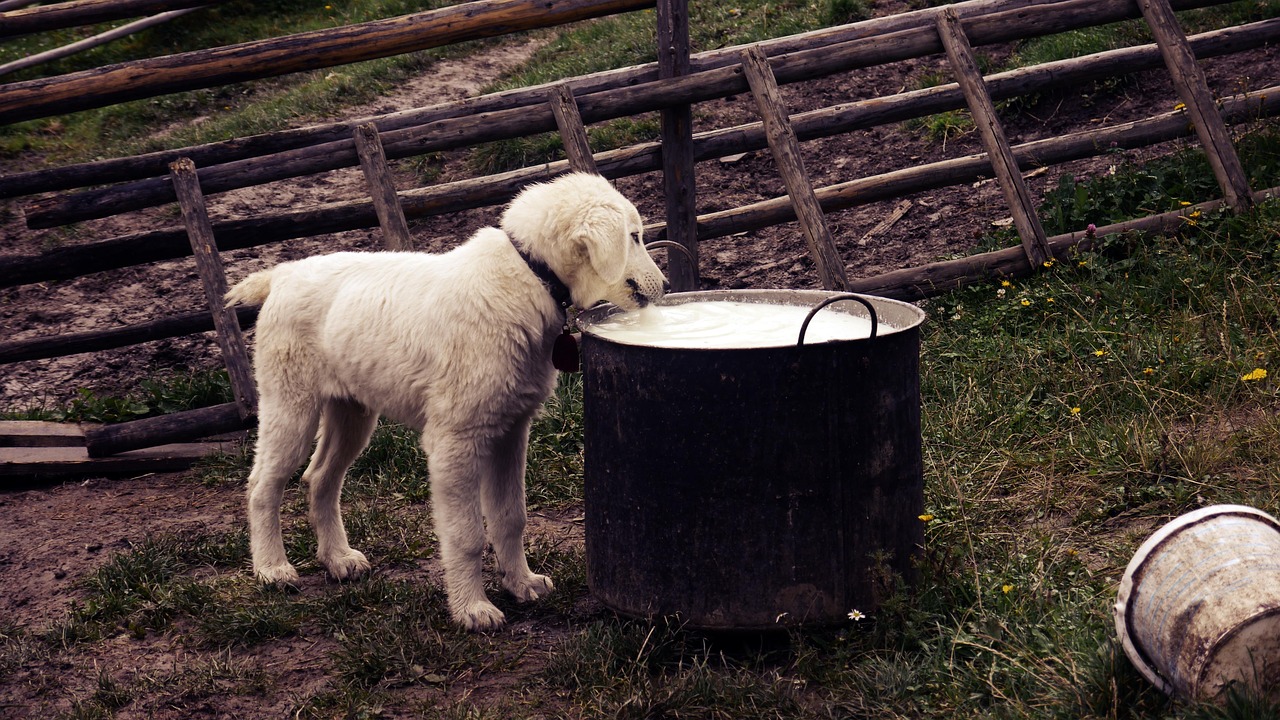

Feeding Puppies with Special Dietary Needs: Schedule Adjustments and Recommendations
Feeding a puppy can be a joyful yet challenging task, especially when considering those with special dietary needs. These needs might be due to allergies, digestive issues, or specific health conditions. First, understanding your puppy’s unique dietary requirements is crucial. For example, some puppies may require a grain-free diet while others might thrive on high-protein or low-carb options. Feeding schedules tailored to these needs are equally important. Puppies typically need at least three to four meals daily until they are about six months old. After this, the frequency can decrease, but the specific time intervals should be consistent. Maintaining a routine helps manage their digestive health. Additionally, some puppies might be sensitive to sudden dietary changes, so any transition must be gradual over a week. Regularly consulting veterinarians about dietary adjustments ensures your puppy’s needs are met effectively. Monitoring your puppy’s weight and overall health should be ongoing to determine whether dietary changes are working, and adjustments may be needed. With careful planning, you can ensure your puppy receives the right nutrition for a healthy, happy life.
When scheduling feeding times for puppies with special dietary needs, it’s essential to balance convenience with necessity. Puppies thrive on routine, and this especially applies to feeding schedules. If your puppy has been prescribed a special diet, determine specific feeding times that accommodate their schedule and your lifestyle. Once you’ve established a feeding routine, consistently offer food at similar intervals every day. This predictability stabilizes their metabolism and digestive processes, preventing digestive upset. Additionally, consider factors like the puppy’s age, breed, and energy levels. Active breeds may require more frequent meals and a higher caloric intake. Conversely, puppies that are less active might need fewer meals to avoid rapid weight gain. Some special dietary foods are available in restricted quantities, so dividing meals can ensure your puppy receives the necessary nutrients without excess. It’s also beneficial to create a checklist to record feeding times and amounts, allowing for better monitoring of their nutritional intake. This meticulous approach helps ensure that dietary adjustments achieve optimal health outcomes for your puppy, leading to happier and healthier pet ownership.
Adjusting Dietary Schedules Based on Health Conditions
Dietary schedules for puppies should be adjusted based on specific health conditions. If your puppy suffers from food allergies or intolerances, it’s crucial to identify trigger foods and avoid them in their diet. This may mean altering the standard feeding schedule typically used for puppies. For instance, if a puppy must eat smaller, more frequent meals to reduce allergen exposure, then meals should be spaced out throughout the day. Consulting a veterinarian is essential before implementing significant changes to your puppy’s diet, ensuring that you provide a balanced nutritional intake. Puppies with gastrointestinal issues often benefit from more frequent, smaller meals, helping prevent upset stomachs. Additionally, puppies recovering from surgery or illness may have unique nutritional requirements that need attention. In such cases, using easily digestible foods that align with their dietary restrictions can facilitate improved recovery. Frequently observe their behavior and health, and adjust meal timings accordingly to ensure they are thriving. This tailored approach to feeding caters to their individual needs, promoting overall health and nurturing development.
Another critical aspect of feeding puppies with special dietary needs is the quality of the food provided. Not all commercial dog foods meet the unique requirements of puppies with sensitivities or health concerns. It is essential to research and choose high-quality brands that produce specialized formulas catering to your puppy’s conditions. Ingredients should be clearly listed, enabling pet owners to identify potential allergens easily. Work closely with your veterinarian to find the best possible food options for your puppy, seeking those that provide essential nutrients while being gentle on the stomach. Many times, these specialized foods may be more expensive, but investing in your puppy’s health pays dividends in their well-being. Transitioning from regular food to specialized offerings should be gradual, allowing your puppy to adjust without gastrointestinal upset. Incorporating wet and dry food can also help maintain hydration and interest in meals. Monitoring your puppy’s response to their new diet can help determine its success. Document changes in their behavior and energy levels while being mindful of their reactions to the new food, adjusting as necessary to ensure their health improvement.
Managing Feeding Challenges
Puppies with special dietary needs may present various challenges during feeding times. Common issues include finicky eaters, reluctance to eat prescribed foods, and even anxiety around meal times. If your puppy is hesitant to eat, consider the method of presentation. Some puppies respond better to different textures or forms of food, be it dry kibble, wet food, or freshly prepared meals. Experimenting with food presentations may help stimulate appetite and encourage meals. Additionally, creating a calm and distraction-free environment during feeding can reduce anxiety. Establish a quiet space, ensuring that your puppy feels secure and focused on their food. With some grace, patience, and trial and error, proper eating habits can be established. Feeding times can also be opportunities for bonding. Engaging with your puppy during meals fosters trust and security. Regular exposure to their feeding routine also helps alleviate stress associated with eating. Finally, consider rewarding positive behavior around feeding times to reinforce good habits and create a pleasant atmosphere surrounding meals. This will help facilitate a more enjoyable feeding experience that contributes to your puppy’s positive nutritional journey.
Using a feeding chart can be a great way to manage your puppy’s nutrition, especially if they have special dietary requirements. A feeding chart is a useful tool that outlines specific portions and meal timings based on your puppy’s age, weight, and dietary needs. Such a chart can help prevent overfeeding or underfeeding and help maintain a consistent diet plan. Typically, puppies should gradually transition from four meals to two meals a day as they grow. However, for those with special dietary needs, adjustments may be necessary. Certain needs might require splitting daily amounts into smaller, more frequent meals, extending the feeding schedule. Consulting with your veterinarian to design a personalized feeding chart ensures that your puppy meets all nutritional requirements while considering their specific health circumstances. Maintaining clear records of your puppy’s food intake, weight changes, and behavior during meals can also be beneficial. The more data you gather, the better understanding you’ll have of optimal feeding practices tailored specifically for your puppy’s well-being. This structured approach can result in better health and a stronger bond between you and your pet.
Conclusion on Proper Feeding Habits
In conclusion, feeding puppies with special dietary needs requires careful planning, patience, and continual monitoring. It starts with understanding your puppy’s unique requirements, followed by setting a consistent feeding schedule that aligns with their health needs. Adjustments to these schedules should consider their specific conditions, growth rates, and energy levels. Remember to invest in high-quality food tailored to their dietary restrictions, performing gradual transitions to avoid any digestive issues. Most importantly, keep an open line of communication with your veterinarian to iterate on feeding strategies and receive updates on your puppy’s health. A feeding chart to track nutrition and feeding habits can simplify meal management and ensure your puppy’s dietary needs are adequately met. Recognize any challenges that arise, such as fussiness with food, and be willing to experiment with presentation methods as needed. Incorporating bonding time during meals helps foster trust and a nurturing environment for your puppy. By following these guidelines diligently, you can enhance your puppy’s health, ensuring they grow strong and well-nourished in their formative years.
Feeding puppies with special dietary needs often involves a combination of adjustments, planning, and compassionate care to ensure they receive the optimum nutrition essential for their growth and development. With proper scheduling, nutrition education, and a commitment to responsive care, every puppy can enjoy healthy meals that contribute positively to their overall well-being and joyful companionship for years to come. It is through loving and informed ownership that we can facilitate the very best for our four-legged friends.