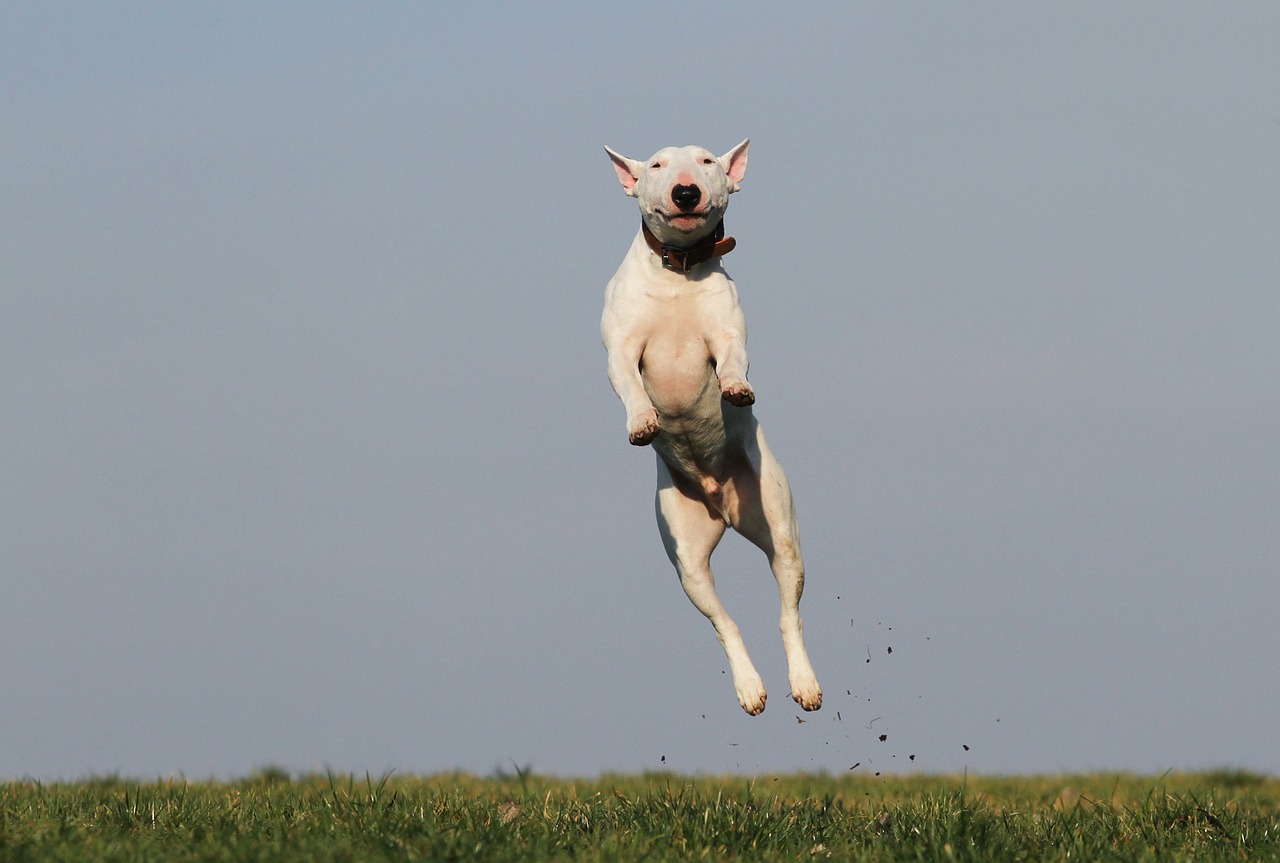

Calming Signals: Reading Fear in Your Dog During Training
Understanding your dog’s emotional state is crucial, especially during training sessions. Fearful dogs often exhibit calming signals to communicate their discomfort. These signals can be subtle, and being aware of them helps in creating a supportive training environment. Key signs of fear may include body posture, like crouching or lowering the tail, and avoiding eye contact. As a responsible trainer, it’s essential to recognize these signs early on. This awareness allows the opportunity to adjust the training approach to cater to your dog’s emotional needs. Reducing anxiety may involve altering the training pace, environment, or techniques used. For instance, implementing positive reinforcement techniques instead of corrections can foster trust and confidence. Always observe your dog’s reactions and adjust your methods accordingly. Gradually desensitizing your dog to feared situations may encourage resilience. Several resources, including books and training workshops, offer insights into effective techniques for managing fearful behavior. Remember that each dog is unique, and it may take time to understand specific triggers. Consistent communication, patience, and empathy will lead to a more successful training experience for both you and your dog.
Recognizing Calming Signals
Calming signals, often deployed by dogs under stress, play a paramount role in assessing their emotional states during training. Understanding these signals allows trainers to modify their methods to alleviate discomfort effectively. Among the most common calming signals are yawning, licking lips, and turning away. When your dog exhibits these behaviors, it indicates a need for space or a break from the stressful situation. It’s essential to respond calmly and provide reassurance, confirming that they are safe. Another significant calming signal is the ‘play bow,’ a position where the dog lowers its front legs while keeping the rear elevated. This posture can indicate discomfort or a polite request for more space. Additionally, some dogs may engage in sniffing the ground as a self-soothing behavior, diverting their attention from stressors. Always keep in mind that each dog may show these signals differently. Observing your dog’s body language, facial expressions, and overall demeanor plays a vital role in training success. Implementing strategies to help your dog cope with fear is key in developing a trusting relationship, fundamentally changing their outlook toward training and other situations.
Creating a positive training environment is instrumental in reducing fear and anxiety in dogs. Utilizing calming techniques, such as gentle voices and slow movements, can significantly aid in this journey. Additionally, scheduling shorter, more frequent sessions rather than long ones can prevent overwhelm. Dogs, especially those coming from stressful backgrounds, may have difficulty concentrating for extended periods. Regular breaks are necessary to ensure they remain relaxed throughout the session. Implementing low-stress exposure practices in safe spaces allows dogs to gradually acclimate to discomfort without overwhelming them. Positive reinforcement techniques can also enhance their training experience, rewarding good behavior and building trust. Selecting appropriate training tools and methods makes a major difference. Avoiding harsh tools or punitive methods fosters a nurturing atmosphere. Engaging toys or treats paired with soft, encouraging language can foster a sense of safety. During training, staying mindful of your demeanor, reactions, and commands eases tension. A calm human partner sets the tone for a positive interaction. Building confidence and trust takes time, but consistently applying these methods will greatly improve your dog’s willingness to learn and engage.
Building Confidence Through Trust
Building trust between you and your dog is essential for creating a stress-free training atmosphere. When a dog feels safe with its trainer, it’s more likely to show interest and enthusiasm during sessions. Developing this trust involves transparent communication, patience, and understanding your dog’s comfort levels. Regularly engaging in positive interactions without training can solidify this bond. Simple activities, such as play or leisurely walks, allow your dog to engage without pressure, reinforcing a sense of security. Moreover, observing your dog’s reactions during various scenarios is vital. Acknowledge any fears or anxieties by being empathetic and adjusting your approach. Incorporate favorites, like special toys or treats, into training sessions to positively associate them with learning. This strategy fosters motivation and enthusiasm for training. Never rush the process: patience is key. If fear response arises during a session, providing a break is okay. Stepping back allows your dog to regain composure and approach the task anew without associating it with negativity. Indeed, building trust enhances your overall relationship, not just in training. Establishing a solid foundation of trust has long-term benefits for behavioral improvement outside of training contexts.
Understanding the psychological aspects of fear is critical for effective dog training. Acknowledging that dogs experience fear similarly to humans helps in devising better training techniques. Fear responses can vary, ranging from avoidance to aggression, so recognizing your dog’s indicators becomes even more vital. By carefully observing body language and vocalizations, you are better equipped to interpret their feelings accurately. For example, a dog that growls or barks can indicate fear or discomfort instead of aggression. Understanding the triggers behind these reactions, whether they are environmental or social, contributes immensely to successful training techniques. Gradual desensitization can be highly effective, allowing dogs to slowly acclimatize to feared objects and situations from a safe distance. It is crucial, however, to monitor your dog’s comfort at all times, as rushing the process can exacerbate their fears. Building resilience takes time, and success lies in the small, positive steps taken. Employment of various training techniques alongside behavioral understanding fosters a more dynamic interaction. Establishing a consistent training environment aids in building confidence and cultivating a fearless approach to new experiences, ultimately leading to impactful and lasting behavioral changes.
The Role of Professional Help
For many dog owners, managing a fearful dog may become overwhelming. In such instances, seeking professional help can be instrumental in addressing training challenges. Professional trainers experienced in dealing with fear-based behaviors have the knowledge and tools needed to guide you effectively. Finding a trainer who utilizes humane, positive reinforcement techniques is essential. These strategies build confidence and trust between you and your dog, rather than causing additional stress. Attending specialized classes focused on fearful dogs can bring substantial progress in modifying their behavior. In these environments, trainers custom-tailor techniques based on each dog’s unique needs, ensuring the ultimate goal remains a successful and fulfilling training experience. Moreover, group classes offer opportunities for socialization under professional supervision, allowing your dog to learn coping mechanisms within a controlled context. Understanding that every dog’s journey is different helps in establishing realistic expectations. Regular progress evaluations during professional guidance maintain motivation while acknowledging improvement. Professional assistance can pave the way for transformative changes in behavior. As a dog owner, investing in training classes not only helps your dog but fosters a mutual growth journey that enhances the bond between both parties.
In conclusion, accommodating fearful dogs during training requires a multifaceted approach focusing on understanding their needs. Recognizing and interpreting their calming signals lays a foundation for compassionate training interventions. Providing a secure environment empowers dogs to embrace learning. Successfully navigating fear in dogs is a gradual process that requires patience and commitment from the owner. Equally important is the development of trust through transparent communications, encouraging techniques, and establishing a deeper bond away from formal training. Remember that every dog is unique, and their pace may differ, so being adaptively responsive is key. Incorporating professional support when necessary can enhance your strategies and skills, unlocking further potentials for growth. Making incremental changes alongside observing your dog’s reactions will lead to remarkable progress. The goal is to create a positive atmosphere conducive to learning, understanding, and trust building. Emphasizing on positive experiences during training will eventually promote a happier, well-adjusted dog. By showing empathy and consistency, you empower your dog to overcome fears and embrace learning more readily. Confidence gained through these efforts will contribute to a fulfilling, joyous relationship between dog and handler in both training and daily life.
To maximize the success of training tutorials for fearful dogs, it’s vital to incorporate calming techniques throughout your sessions. Simple yet effective techniques include utilizing soothing music, aromatherapy, or calming wraps during training or exposure to anxiety-inducing situations. This allows your dog to remain more relaxed and focused on the task instead of their fears. Adding short breaks also prevents overstimulation and creates a more comfortable learning environment for your dog. Additionally, maintaining a calm demeanor helps reinforce your dog’s positive associations with training. Practicing patience will alleviate undue pressure, especially when encountering fearful reactions during sessions. Engaging in low-impact activities often helps to redirect stress, allowing dogs to gradually acclimate to various settings. Beyond techniques, reinforcing trust through attentiveness and encouragement creates a supportive training atmosphere that rewards correct behaviors. Avoiding excessive criticism and encouraging exploration will bolster a dog’s confidence and ability to learn new tasks. Working with rescued dogs or those with trauma may present extra challenges; however, with dedication, patience, and appropriate guidance, remarkable improvements can occur. Ultimately, fostering a bond centered on understanding and trust will lead to fulfilling growth in the dog’s training journey.