
Using Thermography to Detect Painful Areas in Cats
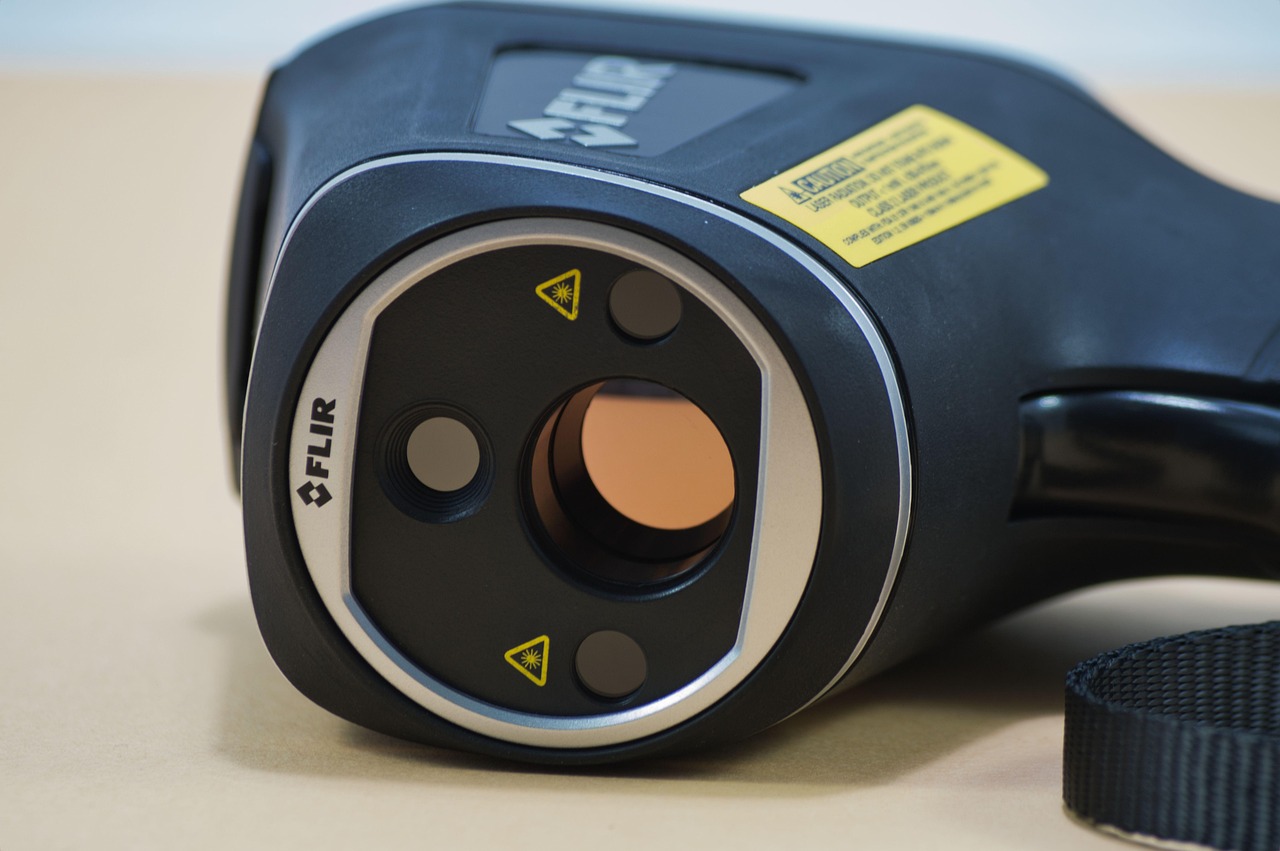
Understanding signs of pain in cats is critical for ensuring their health and wellness. Cats, unlike humans or dogs, may not vocalize their discomfort openly. Consequently, recognizing subtle indicators becomes paramount for cat owners and caregivers. Pain can stem from various ailments such as arthritis, dental issues, or injuries. Proper examination and observation of behavioral changes are crucial in identifying pain. Cats may show a variety of signs including changes in appetite, grooming habits, or playfulness. For example, a cat that typically enjoys interaction may suddenly become reclusive or aggressive. Additionally, altered postures or movements can indicate that a cat is trying to protect a painful area. Sometimes, a cat may not jump as high or may hiss when touched in a certain area. Monitoring these shifts in behavior can help determine if veterinary intervention is necessary. Furthermore, utilizing tools like thermography provides an advanced method of evaluating pain. It captures infrared images, visually representing heat variations in a cat’s body, which helps pinpoint inflammation or discomfort. Understanding these facets is vital for responsible pet ownership.
Thermography offers insights into the precise locations of pain in cats. This non-invasive technique provides a visual representation of a cat’s body heat, allowing owners and vets to assess discomfort accurately. Traditional examinations often focus on physical touch, which may cause further pain in sensitive areas. Thermography eliminates this risk by providing detailed images that highlight temperature differences across various body parts. Increased temperature in specific areas can signal underlying issues such as inflammation or injury. Consequently, by identifying these potential problem areas early, pet owners can intervene sooner. The detailed snapshots of a cat’s body temperature patterns help in formulating early diagnoses, which is critical for providing effective treatment solutions. Moreover, the non-invasive nature of thermography makes it an excellent choice for skittish cats that may resist traditional examination techniques. Frequent pain assessments through thermography can enhance ongoing management strategies, ensuring a cat remains comfortable and healthy. In older cats, persistent monitoring can significantly improve quality of life. This proactive approach allows for timely vet consultations and tailored treatments, ensuring cats live their happiest lives free from unnecessary pain.
Benefits of Thermography
One of the most valuable benefits of using thermography in detecting pain in cats is its safety. Unlike X-rays or other imaging techniques, thermography does not involve radiation, making it suitable for frequent evaluations. This is especially relevant for pets requiring ongoing monitoring due to chronic pain or surgical recovery. Owners can feel reassured knowing their cats are not exposed to harmful effects while undergoing such assessments. Additionally, thermography significantly reduces stress levels for both pet and owner. The procedure is generally quick and non-invasive, typically taking less than an hour. Cats can remain awake and comfortably positioned without the need for sedation, creating a more positive experience compared to traditional imaging methods. Furthermore, this technology enables pet owners to participate actively in their cat’s health journey. With the results readily available, discussions regarding pain management with veterinarians can be more informed and comprehensive. This enhanced communication between cat owners and veterinarians can lead to more customized care plans tailored to specific needs. Overall, this powerful tool also fosters a proactive approach to cat health, ensuring earlier detection of ailments and better overall care.
Interpreting thermographic images requires specialized knowledge and training for pet professionals. While thermography presents an effective way to detect painful areas, knowing how to read the results is critical. Each image provides unique thermal patterns that can signal various conditions and concerns. Increased heat often indicates inflammation, while cooler areas may relate to improved healing. However, what one image reveals must be analyzed considering the cat’s overall health history, behavior, and symptoms. Collaboration with veterinarians skilled in interpreting these images enhances their effectiveness. They can discern temperature fluctuations relating to specific injuries or health issues. Therefore, having a comprehensive view which integrates both the thermographic assessment and traditional examinations can provide a fuller picture. This results in having a solid basis for treatment recommendations or further diagnostic testing as required. Additionally, advancing technologies continue to develop improved methods and interpretations for assessing feline health. It emphasizes the importance of continuous education and training for veterinarians specializing in pain management for pets. Not only does this offer optimal outcomes for individual cats, but it also leads to broader advancements in the field of veterinary medicine.
Practical Applications of Thermography
Pet owners must understand the applications and limitations of thermography as a pain detection tool. While this technology is highly effective, it is not a standalone solution. Integrating thermography with other diagnostic methods such as blood tests, physical examinations, and imaging studies enhances accuracy. Each method complements the others, providing a more comprehensive assessment of a cat’s condition. Awareness of these practical applications ensures owners remain informed about their cats’ well-being. The combination of traditional and advanced diagnostic tools allows for a multi-faceted approach to identifying pain sources effectively. Additionally, it is beneficial for owners seeking to maintain their cat’s overall health. Investing in regular thermographic assessments may help identify potential pain issues early, preventing severe complications or worsening of chronic conditions. This proactive approach can significantly reduce discomfort and improve the cat’s quality of life. Moreover, as pet owners familiarize themselves with the signs of pain and the advantages of thermography, they become more adept advocates for their furry friends. Ultimately, informed owners contribute to a culture of responsive, proactive pet healthcare.
Integrating thermography into routine feline care promotes a deeper understanding of pain management strategies. As cats communicate their discomfort through limited means, utilizing advanced technologies helps illuminate otherwise hidden issues. Owners equipped with this knowledge can work collaboratively with veterinarians to address their pet’s specific needs. For example, upon detecting areas of inflammation, one could modify their cat’s environment to reduce stressors contributing to pain. It might involve re-evaluating their diet, playtime, and even providing orthopedic support. Addressing these contributing factors plays a vital role in comprehensive pain management strategies. Furthermore, thermography can drive conversations on holistic or alternative therapies for effective pain relief in cats. By discussing various treatment options with veterinarians, owners can explore a range of solutions—both pharmacological and non-pharmacological. Continuous assessments using thermography reinforce the effectiveness of these strategies, ensuring detailed tracking of treatment efficacy. Ultimately, a commitment to understanding feline pain will lead to improved health outcomes. Increasingly informed pet owners foster environments where proactive healthcare measures are embraced, enhancing overall well-being and happiness for our furry family members.
Conclusion
In conclusion, using thermography to detect painful areas in cats represents a significant advancement in feline healthcare. By recognizing the signs of pain and utilizing advanced imaging technology, owners can actively advocate for their pets. This proactive approach contributes to earlier diagnosis and prompted treatments, thus ensuring enhanced comfort and quality of life. Cat owners should educate themselves on their pets’ behaviors and recognize deviations indicating pain or discomfort. Armed with this understanding, they can utilize innovative tools like thermography to monitor their feline companions effectively. The application of thermography may revolutionize how pet owners interact with veterinary professionals concerning pain management. Increased awareness of such tools will facilitate discussions that lead to informed decisions regarding the best care options. Moreover, the integration of thermography into feline healthcare practices paves the way for ongoing advancements in understanding and treating pain in cats. As technology continues to evolve, embracing these findings will ultimately elevate the standard of care. Working collectively, pet owners and veterinarians can create environments where cats receive the compassionate and comprehensive care they deserve, ensuring happier, healthier lives.
Moreover, constant evaluation and adaptation of treatment approaches utilizing thermography can lead to better outcomes for cats experiencing pain. This continuous feedback loop influences both pet care practices and veterinary treatments, ensuring that the health of these beloved companions is prioritized. As each cat’s needs differ, being well-informed about the latest techniques and tools is essential. Consequently, pet owners should engage with their vets to keep abreast of new developments in diagnostic strategies. The relationship between pet ownership and veterinary care is fundamentally collaborative. Utilizing thermography solidifies this bond by arming pet parents with detailed information regarding their pet’s health status. Therefore, timely adjustments to care plans based on thermographic evaluations foster an environment centered on comfort. Beyond immediate pain detection, embracing holistic and preventive measures assures a cat has the best chance of thriving. Overall, the implementation of cutting-edge practices like thermography encourages responsible pet ownership, promoting longevity in beloved feline companions. By prioritizing their wellness, pet owners can ensure their cats lead fulfilling and happy lives, providing the love and companionship they bring in return.