
How Aging Affects Cat Behavior Patterns
As cats age, their behavior patterns undergo significant transformations, which can be surprising for pet owners. These alterations are largely influenced by physiological and psychological changes that occur over time. Senior cats often exhibit more sedentary lifestyles, preferring to rest in cozy corners rather than engage in active play. This disinterest in play can often be misinterpreted as a sign of laziness or apathy. However, it’s essential to recognize that these adjustments are entirely natural as a cat ages. Furthermore, older cats may develop specific health issues that can affect their behavior, including dental disease, arthritis, or sensory decline. It’s important to understand that these conditions can make them less active and more withdrawn. A cat’s grooming habits may also change; they might groom less or require assistance to maintain their coats. Providing appropriate stimulation becomes crucial for both physical and mental health. Senior cats can still enjoy interactive toys tailored to their ability, thereby promoting social interaction. Owners should consider these aspects, ensuring their aging cats receive proper care and support to enhance their overall quality of life.
Understanding how aging influences a cat’s behavior allows for better management of their needs and well-being. One significant change observed in older cats is the decline in cognitive function, leading to conditions like feline cognitive dysfunction syndrome (CDS). This syndrome can manifest through disorientation, disrupted sleep cycles, and changes in their usual routines. Cats may wander aimlessly or vocalize excessively, often driven by confusion and anxiety. Caring for cats with CDS may require patience and additional support, like maintaining a consistent environment and engaging in gentle routines. Owners can also enrich their living spaces with stimulating activities to support mental sharpness. Furthermore, consider establishing designated areas for eating, sleeping, and playing, providing familiarity that can ease anxiety. Sharing experiences with senior cats also becomes vital for maintaining emotional connections. Even gentle petting or speaking softly can alleviate stress for the aging cat. It’s crucial to consult with veterinarians regarding behavior changes to rule out any underlying health problems or age-related issues. Understanding these changes fosters a deeper bond between the pet and owner, ensuring that both live comfortably together as the cat grows older.
Another important factor to consider when observing changes in cat behavior is the impact of their environment. As cats get older, they may become less tolerant of changes, such as new furniture or housemates. Maintaining a stable environment is essential because unexpected shifts can cause stress, leading to withdrawal or aggression. Older cats may also display increased sensitivity to noise and commotion, making it vital to create a peaceful space for them to retreat to when feeling overwhelmed. Soft blankets or cushioned beds placed in quiet areas can help. Moreover, providing vertical spaces like shelves or cat trees can encourage older felines to enjoy their kingdom from a safe height, promoting a sense of security. Engaging younger household members to respect the older cat’s space is also beneficial. Teaching children how to interact gently with older pets establishes harmony and safety within the home. Routine veterinary check-ups are essential at this stage, as they can identify any concerns before they progress. A stress-free environment allows senior cats to thrive, enabling them to express their unique personalities while cohabitating harmoniously.
Social Interactions and Aging
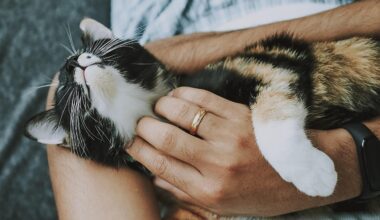
The social behavior of cats can also significantly change with age. Younger cats may leap at opportunities for social interactions, while older cats often prefer solitude or limited engagement. This shift can sometimes lead to misunderstandings among pet owners, who may perceive their once-playful cat as standoffish. Throughout their aging process, it’s important to recognize that some cats may experience a reduced tolerance for physical interactions with humans or other pets. Offering the opportunity to engage on their terms is vital. Rather than forcing interaction, allowing cats to initiate contact demonstrates respect for their preferences. Slow, gentle movements and low voices during interaction can also help to prevent startling the cat. Social dynamics with other pets may transform as well; older cats may relinquish territory to avoid conflict. Understanding their behavioral preferences helps ensure a peaceful atmosphere. Moreover, recognizing when an aging cat becomes less round-the-clock interactive does not equate to a lack of affection. Instead, they may express their love through quiet companionship, simply enjoying each other’s presence without requiring active engagement. As pet owners, it’s our duty to adapt and accept these changes.
The decrease in energy levels in older cats can sometimes extend to their play behavior as well. While young cats exhibit playful exuberance, senior cats often favor quieter, more subdued forms of entertainment. Interactive play sessions may require shorter durations, and owners might need to adjust their expectations. Quick bursts of engagement rather than long playtimes better suit the older cat’s style. Additionally, toys that stimulate their minds, such as puzzle feeders, are ideal as they require minimal physical effort while still offering mental stimulation. Keeping playtime simple allows cats to remain engaged without overwhelming them. With age, cats may also prefer to revisit familiar toys rather than explore new ones. Understanding a senior cat’s shifting interests in play is pivotal for keeping them active. Regular engagement in cognitive activities fosters mental health and overall well-being. Another avenue of enrichment entails incorporating cat-friendly technology like automatic laser toys or treat dispensers that promote independent play. Careful monitoring is crucial, ensuring that play activities remain safe and enjoyable for the aging feline. Observing and adjusting to these changes helps keep a cherished connection alive for both pet and owner.
Conclusion and Emotional Well-being
Ultimately, understanding how aging impacts cat behavior is critical for their emotional well-being. As cats mature, they benefit from a compassionate and adaptive approach tailored to their evolving needs. Regular assessments of their health, environment, and emotional states foster healthy relationships built on trust and affection. Moreover, dedicating time to bond with older cats promotes mental and emotional stimulation, ensuring they thrive in a secure atmosphere. Incorporating routines into their daily lives can provide comfort and predictability, significantly reducing anxiety levels. Whether it’s scheduled playtime or soft speaking companionship, these interactions express love and care that reinforce their sense of security. Additionally, being mindful of their dietary requirements is vital, as older cats may have specific nutritional needs to maintain optimal health. Regular consultations with veterinarians can help navigate any age-related concerns. To ensure aging cats receive the love they deserve, explore options for gentle communication, emotional connection, and understanding. By nurturing these bonds, pet owners can contribute positively to their feline companions’ quality of life during their later years.
In conclusion, the aging process affects cats in numerous ways, including behavior, social interactions, and emotional health. Understanding these changes allows us to adapt our caregiving approach to better suit our feline companions, ensuring their comfort and satisfaction. Owner attitudes can influence their pets’ responses. An understanding owner will encourage interaction while respecting their pet’s autonomy. The aging cat is not merely an elder; they are resilient companions who have a lifetime of experiences and love to share. Maintaining a positive environment while being sensitive to the altered dynamics promotes a happy, healthy life for cats in their golden years. Mutual respect and engagement lead to profound connections between humans and animals. Moreover, being proactive about health check-ups, managing their environment, and understanding their needs creates an atmosphere where aging cats can enjoy their twilight years. By fostering patience, love, and compassion, we can navigate these changes together while ensuring they feel safe and cherished. The bond between pet and owner can strengthen through empathy and awareness, leading to a rewarding companionship that flourishes even late in life. Cats truly do age gracefully with the right support.
As these beloved companions age, it is vital to cherish every moment spent together. The rewards of shared experiences and cuddles are immeasurable. Old cats can surprise us with their unique charms and behavioral shifts, reminding us that love knows no age. We learn from them just as they learn from us, fostering an enriching mutual relationship that evolves beautifully. Patience, attention, and a willingness to adapt are qualities every pet owner should embody to enjoy a fulfilling journey side by side with their beloved felines. Aging impacts us all; it’s how we approach those changes that define our experiences.