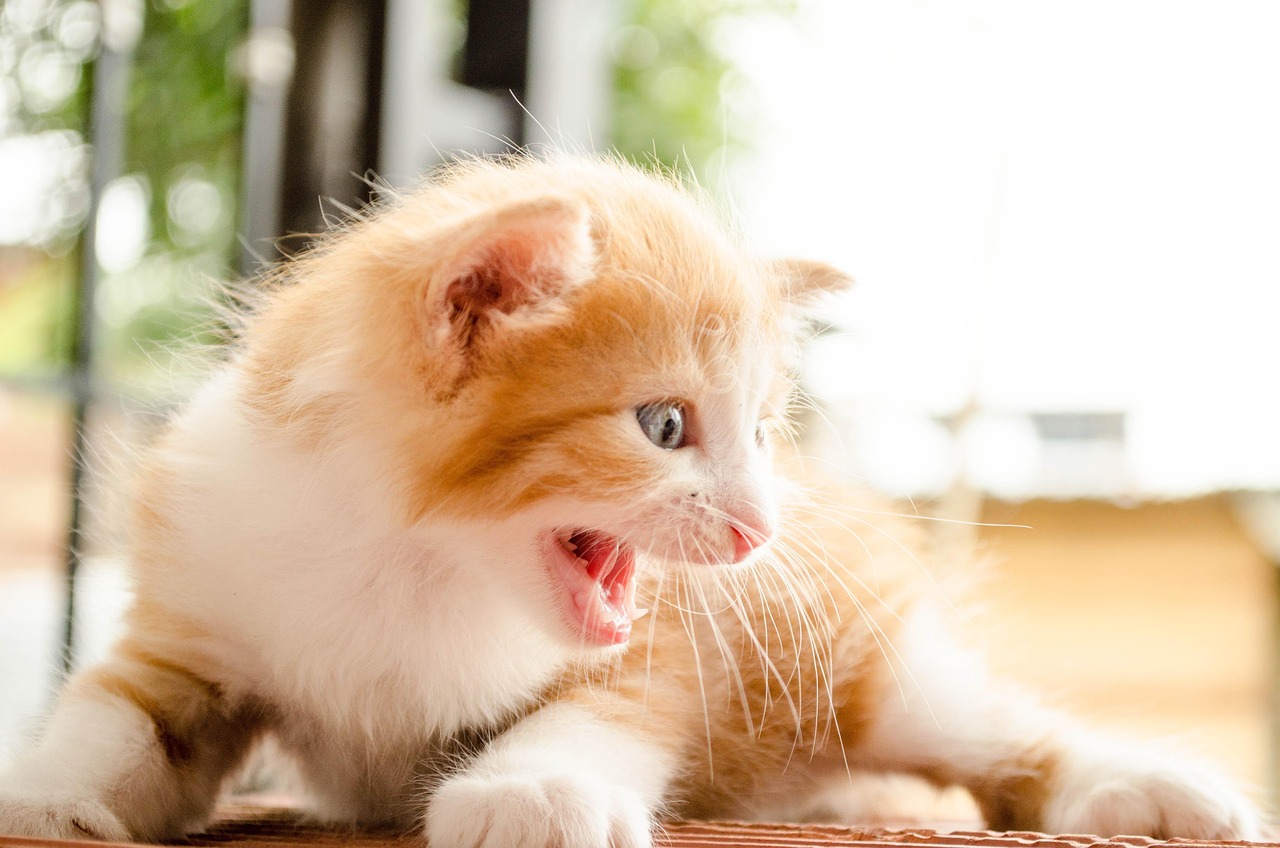

How to Safely Handle an Aggressive Older Cat
Handling aggression in older cats can be a daunting task for many pet owners. Understanding the underlying causes of this behavior is essential to address it correctly. Common reasons for aggressive behavior in older cats may include pain, illness, stress, or changes in their environment. It’s crucial to identify any recent changes in your cat’s health or surroundings that could have triggered this aggression. If your cat has suddenly become aggressive, consider whether they might have experienced something stressful, such as moving to a new home or the introduction of a new pet or person. It’s also worth noting that older cats may experience age-related medical conditions. These health issues can result in discomfort, leading to aggression. Observing your cat for signs of pain, such as hiding, unusual vocalizations, or altered eating habits, is essential. When you notice any of these signs, consult your veterinarian for a thorough evaluation. This step not only promotes your cat’s wellbeing but also helps you understand the root cause of their aggressive behavior, allowing for a smoother path towards resolution.
Once you have identified potential causes for your older cat’s aggression, it’s essential to implement strategies to manage their behavior effectively. Create a calm environment that minimizes stressors for your cat. This can involve providing cozy hiding spots where they can feel safe and secure. Cats often feel threatened by loud noises or sudden movements, so it is crucial to keep their surroundings peaceful. It may be helpful to use positive reinforcement techniques to encourage good behavior. Reward your cat with treats, praise, or toys each time they respond calmly to stimuli that would typically trigger aggression. Consistent training and understanding are vital components in modifying your cat’s aggressive tendencies. Redirecting your cat’s attention when they show signs of aggression can also be useful. Diverting their focus to interactive toys can ease the tension and create a playful atmosphere. Additionally, using pheromone diffusers may help calm anxious cats. These products can mimic the natural pheromones released by cats, promoting feelings of reassurance and comfort in their environment.
Recognizing Warning Signs of Aggression
It’s imperative to recognize the warning signs of aggression in older cats. Understanding these cues can help you respond proactively, minimizing potentially dangerous situations. Common signs include dilated pupils, flattened ears, or an arched back, signaling that the cat is feeling threatened. Hissing, growling, or swatting are further indicators of anxiety or agitation. When you observe these signs, it is crucial to avoid pushing the cat’s limits. Instead, give them space to calm down before attempting any interaction. Reacting calmly to your cat’s aggression is important; your demeanor will impact how they perceive the situation. Approach the cat from a side angle instead of head-on, which can feel confrontational to them. Additionally, avoid direct eye contact, as this might exacerbate their anxiety. Leaving the room and allowing them time alone can often prevent escalation. Consider using a soft, soothing voice to reassure them during tense moments. Over time, with patience and understanding, your older cat may become more comfortable and less aggressive in your presence.
Incorporating playtime into your cat’s routine can be an effective way to reduce aggressive behavior. Engaging them in interactive play sessions not only stimulates their mind but also allows for energy release. Choose toys that encourage natural hunting instincts, such as feather wands or laser pointers. These activities can help redirect their aggression into more appropriate outlets. Schedule daily play sessions that last around 15 to 20 minutes, allowing your cat to tiring themselves out while having fun. Remember to follow up each session with positive reinforcement, as praise and treats can solidify good behavior. Gradually increase the intensity of play as they become more comfortable, observing their reactions. If they exhibit signs of aggression during play, take a break to avoid overwhelming them. Introducing puzzle toys can also provide mental stimulation while keeping them entertained. However, be consistent with your routines, as familiarity can create a sense of security for your cat. By establishing a dedicated playtime, you help them positively associate these moments with interaction and attention, further enhancing their comfort levels.
The Importance of Professional Guidance
When managing aggression in older cats, professional guidance is often invaluable. Consulting with an experienced veterinarian ensures that any underlying health issues are addressed early on. If medical problems are ruled out, consider reaching out to an animal behaviorist or a certified cat trainer. These professionals can conduct a thorough assessment of your cat’s behavior and suggest tailored strategies for your situation. They can also provide insights into behavioral modification techniques that are both effective and humane. This support can relieve the anxiety that comes from feeling overwhelmed or unsure about your cat’s aggression. Education is a vital aspect of successfully handling aggressive behaviors. Gaining knowledge through professional advice allows you to approach your cat with trust, understanding their needs, and responding appropriately. It can be the key to ensuring peace in your home. Furthermore, they may suggest environmental enrichment or wellness products that can reduce anxiety, ultimately leading to a happier, less aggressive cat. Investing in expert help not only benefits your cat but strengthens your human-animal bond.
Consistency remains a crucial component when working towards reducing aggression in older cats. Establish a regular routine for feeding, playtime, and relaxation to create a sense of predictability for your feline companion. Consistent routines can help minimize stress and anxiety, enabling your cat to feel more secure in their environment. Establishing designated areas for feeding and lounging can also reinforce stability and comfort in your cat’s daily life. Furthermore, try avoiding any changes to their environment unless absolutely necessary, as sudden alterations may induce stress and aggression. Whenever you introduce new items or changes, be gradual and observe how your cat reacts. Socialization is another important aspect of managing aggression in older cats. Allow them to explore and get used to their environment at their own pace. Encourage gentle interactions with other pets and people in a controlled manner, which can help facilitate positive associations over time. Combining these tactics into your approach allows your cat to adjust to change more smoothly, ultimately leading to a decrease in aggressive tendencies and enhancing their overall well-being.
Conclusion and Ongoing Care
In conclusion, effectively handling aggression in older cats requires patience, understanding, and a commitment to ongoing care. Recognizing the signs of aggression and addressing potential triggers are essential first steps. Creating a calm environment, combined with play and professional guidance, forms the foundation of a successful approach. Each cat is unique, and responses to various strategies may vary. It’s time to continually assess your cat’s behavior, adjusting your methods as needed. Regular veterinary check-ups and open communication with professionals are vital components of ensuring your cat’s wellbeing. As your cat ages, their physical and emotional needs may change, requiring you to adapt your strategies accordingly. Moreover, the bond you cultivate through this process can result in a deep, lasting relationship based on trust and understanding. The journey may be challenging at times, but the reward of seeing your cat slowly transform into a calmer, more secure companion is undeniably worth the effort. Remember, every small step counts. Investing time into your cat’s care is a commitment that enhances their quality of life and enriches your shared experiences.