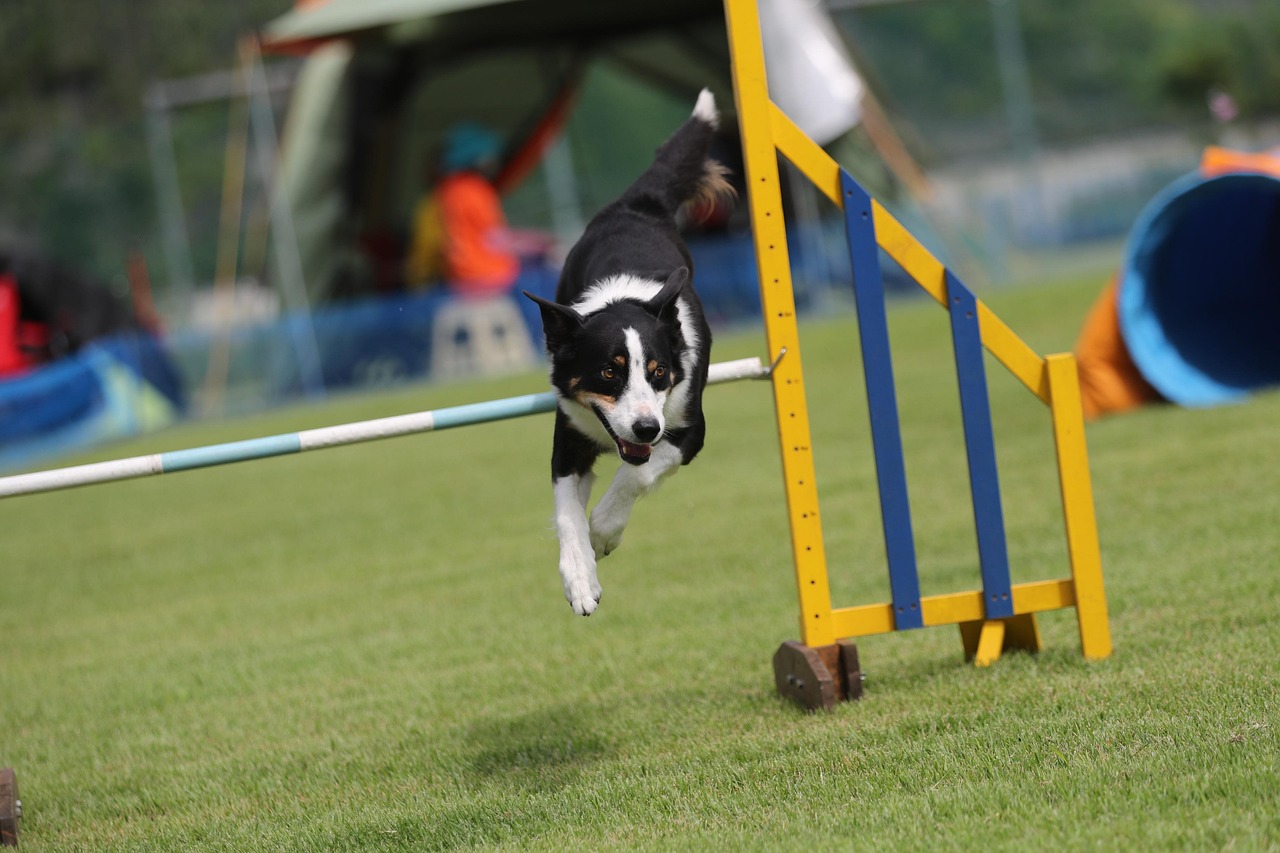

Understanding the Psychological Benefits of Agility Training for Dogs
Agility training is an engaging and highly beneficial activity for dogs that promotes their mental health. This form of exercise challenges dogs physically and mentally, helping to stimulate their brains and keep them active. With a combination of obstacles like tunnels and jumps, agility training requires dogs to focus, think, and respond to their owner’s commands, which encourages cognitive engagement. Moreover, dogs naturally possess curiosity and energy levels that need to be addressed positively. When owners engage their dogs in agility training, they provide an opportunity for these instincts to thrive. Agility workouts not only enhance a dog’s physical fitness but also reinforce their mental resilience. Regular participation in such structured activities helps in building a deeper bond between the dog and its owner, improving overall communication. Furthermore, dogs that partake in agility training often display reduced anxiety and stress levels. This is especially vital for dogs prone to behavioral difficulties. They learn to navigate various challenges in a supportive environment, thus fostering confidence and emotional stability. Owners who recognize these benefits may find that their dogs are happier and more well-adjusted in various situations.
One of the most notable advantages of agility training is the mental stimulation it provides to dogs. Just like humans, dogs thrive when they are mentally engaged. Agility courses encourage dogs to think critically about how to approach obstacles, thus enhancing their decision-making skills. This constant activation of their minds keeps them sharp and alert, which can slow the cognitive decline often associated with aging. Moreover, the variability of agility courses aids in preventing boredom. Dogs who engage in the same physical routine day after day may become disinterested or even develop behavioral issues. Agility training introduces new challenges and dynamics, keeping their routines fresh and engaging. This form of training is not limited to highly energetic breeds; any dog can benefit from the mental engagement provided by agility exercises. It also allows for individual pacing, meaning that each dog can progress at their own speed. Over time, this learning process not only enhances the dog’s capabilities but also their confidence. A confident dog is less likely to react negatively to stressors in their environment, which is key for maintaining a healthy mental state.
Building Confidence through Agility
Participating in agility training can significantly build a dog’s confidence. As dogs successfully navigate through the various challenges, they gain a sense of achievement. This feeling of accomplishment is vital for self-esteem. Dogs that experience success in agility often translate that confidence into everyday situations. It helps them face new experiences without fear, be it meeting other dogs, encountering strangers, or exploring novel environments. This increased adaptability can be instrumental in reducing anxiety in unfamiliar situations, which is a common issue among many pets. Owners are typically surprised at how quickly their dogs adapt to challenges presented in the agility course. With practice and encouragement, dogs learn to trust their instincts and the commands of their owner. The bond formed during training contributes to their feeling of security. Owners often report that their dogs are not only physically healthier due to their increased activity levels but also much more content. Recognizing success, along with positive reinforcement strategies used in agility training, sets a solid foundation for further learning and behavioral adjustments.
Agility training also cultivates social skills in dogs. Given that agility events are often team-based, interaction with both humans and other dogs is a fundamental aspect of the training process. These interactions provide dogs with opportunities to develop their socialization skills. Socialization is especially important for young dogs, as their formative experiences greatly influence their behavior as adults. Through agility training, dogs learn how to cooperate, take turns, and work in harmony with their handlers. They also learn important signals from other dogs, helping to minimize aggressive or fearful responses. Training sessions, especially when done in groups, create opportunities for positive interactions. They begin to see other dogs not as threats but as partners in fun and exploration. This socialization is crucial for building a dog’s self-assurance in various environments. Furthermore, these experiences can lead to a more well-rounded and balanced temperament. Ultimately, agility training serves as a multifaceted tool for improving a dog’s mental health and social capabilities, contributing to a happier and more integrated pet.
Combating Anxiety through Consistent Exercise
Regular exercise is essential for dogs, especially when it comes to alleviating anxiety. Dogs, much like humans, need an outlet for their energies and emotions. Engaging in agility training provides an interactive way to exercise that emphasizes obedience and mental focus. When dogs exercise consistently, they release endorphins, which are known as ‘feel-good’ hormones. This chemical reaction in their bodies promotes an optimistic mood, encouraging them to feel calm and relaxed. Those dogs that suffer from separation anxiety or phobia during thunderstorms may find that regular agility sessions help to relieve some of their stress. The familiarity with the training environment and the predictability of routine help dogs feel secure, which is vital for emotional well-being. Additionally, incorporating agility training into their daily routine allows pet owners to manage their dog’s energy levels more effectively. Instead of chaotic outbursts and anxiety-driven behaviors, dogs can channel their energy into structured activities. This positive replacement of destructive tendencies leads to better mental health outcomes, as the dogs learn to form healthier habits and coping mechanisms over time.
Moreover, agility training promotes teamwork between the dog and its owner. Communication is key in agility, as dogs must learn to understand their owner’s cues quickly. This relationship enhances their mutual understanding and trust, fostering a supportive atmosphere. This teamwork aspect can also be advantageous for dogs recovering from trauma or those that are naturally shy. The consistent interaction and reinforcement create a safe space for these dogs to flourish. As they begin to trust their handlers more, any existing fears slowly diminish. The engagement in agility training serves as a distraction from anxiety-inducing stimuli, allowing the dog to focus on the task at hand. Owners often find that this time spent together also strengthens their bond, as they laugh and celebrate their dog’s progress. This emotional connection nurtures a peaceful mental state for both the dog and the owner. Ultimately, through teamwork and enjoyment, agility training transcends beyond mere exercise, developing lasting psychological benefits that enhance their overall quality of life.
Conclusion: A Holistic Approach to Dog Mental Health
In summary, agility training offers a well-rounded approach to promoting positive mental health in dogs. The combination of physical exercise, mental stimulation, and social interaction creates a holistic benefit. Dogs that participate in regular agility activities not only develop physically but also gain essential life skills that help them navigate various environments. This comprehensive approach enhances their confidence and emotional stability. Through agility, dogs learn to face challenges, build relationships, and find joy in daily routines. The psychological benefits of this form of exercise underscore the necessity of incorporating such activities into dog training regimens. Pet owners should recognize the importance of mental health in their dogs, similar to how they would for themselves. Engaging in agility training not only enhances the bond between the dog and the owner but also leads to happier, more resilient pets. By prioritizing activities that consider both physical and emotional needs, owners can foster a well-adjusted and fulfilled dog. Ultimately, understanding the vital role of exercise will serve as a cornerstone for ongoing mental health and overall well-being for our furry companions.
Consider incorporating agility training into your dog’s lifestyle not just for their exercise needs, but as a comprehensive approach that significantly influences their mental well-being. Develop routines that promote engagement, multidisciplinary skill sets, and importantly, joyful opportunities to bond with your pet. Remember, a happier dog leads to a happier home, emphasizing the importance of investing time and energy into their mental and emotional health. An active dog is a content dog, and through ongoing agility training, owners will witness transformative changes in their furry friends. Ultimately, harmonious relationships between dogs and their owners are forged through mutual trust and communication, making the entire experience extremely rewarding. Prioritize these interventions for lasting health benefits, and enjoy the journey of exploring agility training alongside your canine companions.