
Evaluating Agility Performance: Metrics for Advanced Training
In advanced agility training, evaluating a dog’s performance involves understanding various metrics that measure agility skills and progress. These metrics can include speed, accuracy, and consistency during agility courses. Speed directly impacts performance, as dogs that navigate obstacles quickly are often more competitive in trials. Accurately measuring speed can involve using timers during practice runs. Additionally, accuracy encompasses how well a dog hits each obstacle, following the designated path, and completing tasks without errors. Consistency is key; monitoring how consistently a dog can perform over time helps identify areas that need improvement. Evaluators can use these metrics to assess and refine training plans effectively. Tracking improvements in these areas provides a concrete way to visualize growth. Regular evaluations also help in setting realistic goals for the dog and owner. With this information, trainers can adapt their methods to strengthen weaknesses. Using technology, such as apps for tracking performance, enhances the evaluation process, making it easier than ever to set benchmarks. In this way, metrics not only foster accountability but also motivate trainers and their canine partners to achieve higher levels of performance.
When establishing performance metrics, it’s vital to consider the dog’s individual style and strengths. Each dog possesses unique traits that affect how they handle agility challenges. Take into account breed characteristics, physical capabilities, and temperament; these elements influence training plans and performance evaluations. Observation during training sessions will reveal insights into each dog’s natural abilities and areas where they may struggle. Some may excel in speed but lack finesse in obstacle negotiation. Others might demonstrate remarkable precision but lack the speed for competitive success. Coaches should utilize video recordings to analyze performance. This can be an immensely helpful tool, allowing evaluators to assess dogs from different angles and perspectives throughout courses. Such analysis can provide continual feedback and highlight specific moments that could be improved or praised. Moreover, psychological factors like the dog’s confidence and motivation significantly impact agility performance. Cultivating a positive training environment and recognizing achievements can bolster a dog’s self-esteem. Thus, performance metrics become not only a tool for assessment but a roadmap for developing a unique and effective training program.
Incorporating Skill-Related Metrics
Skill-related metrics are essential in advanced agility training and provide deeper insights into the dog’s performance. These may include the dog’s response time, the rate of successful completions on first attempts, and their ability to recover after mistakes. By measuring response times, trainers can identify how quickly a dog reacts to commands and navigates obstacles. A shorter response time often correlates with a higher agility performance level. Similarly, measuring success rates on first attempts indicates the dog’s proficiency with the course, reflecting their training quality and understanding. Assessing recovery time after errors can also reveal vital information regarding a dog’s behavior and mental state during trials. Dogs that take longer to re-engage after a mistake may need additional support to build confidence. Collecting data on these metrics allows trainers to make informed decisions about modifications needed in training methods. Regularly reviewing these metrics helps in goal setting and ensures both the dog and handler progress effectively together. This holistic approach helps foster a collaborative environment where both parties understand performance and are committed to improvement.
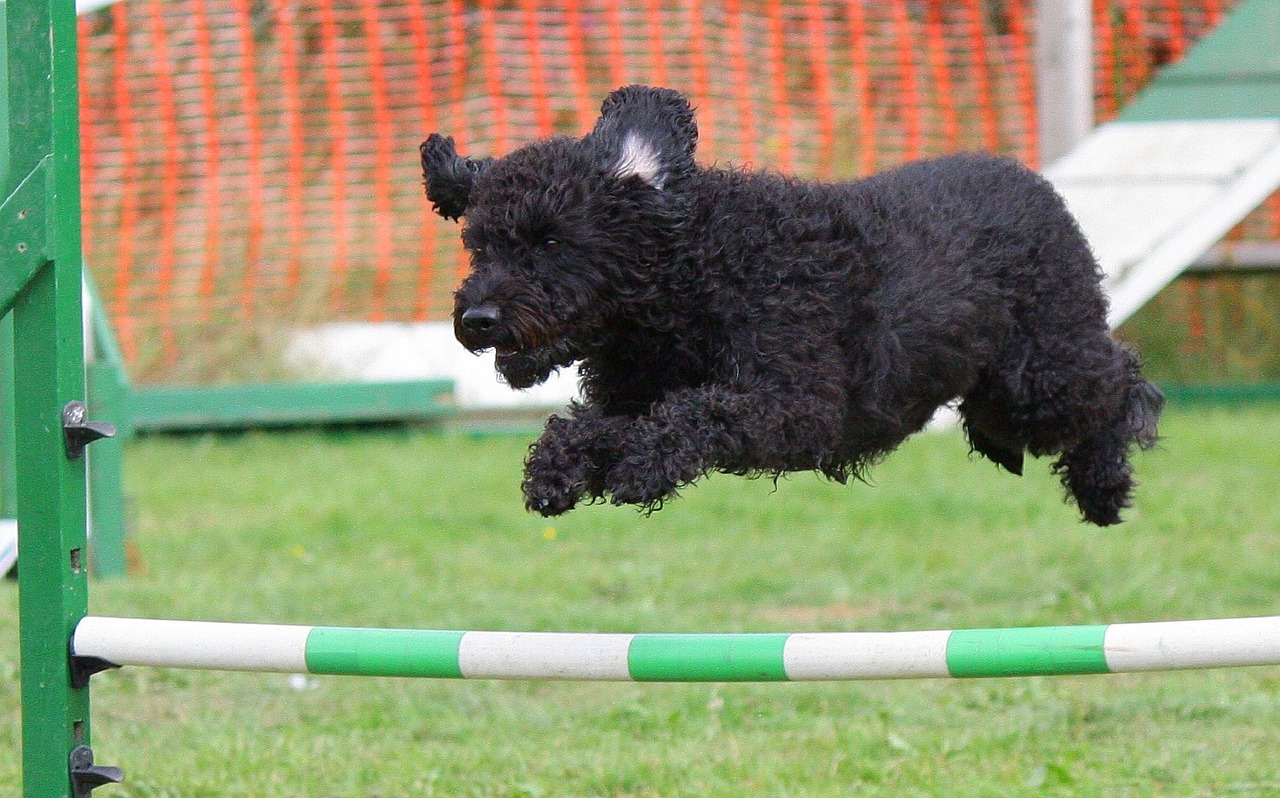
Another critical aspect of measuring agility performance is observing pathwork and obstacle execution. Trainers should monitor how dogs handle different types of obstacles, such as jumps, tunnels, and weave poles. Each obstacle presents unique challenges requiring varied skills and strategies. For instance, evaluating both the speed and accuracy of jumping can help identify whether a dog is rushing through exercises or approaching them with optimal technique. Similarly, the handling of tunnels can be indicative of a dog’s confidence level; dogs that dart through with enthusiasm show readiness for advanced challenges. Collecting consistent data about how well a dog executes different obstacles informs future training sessions. With this understanding, adjustments can be made to focus specifically on enhancing techniques that need improvement. Comprehensive assessments can be complemented with feedback sessions to share insights with handlers, allowing interconnected growth between the dog and their trainers. Creating a knowledge-sharing culture among peers also supports collective advancement, producing a community eager to innovate techniques, share findings, and celebrate progress. Overall, ongoing assessments ensure training stays aligned with performance goals.
Utilizing Technology for Performance Tracking
In the age of technology, various tools can enhance performance tracking in advanced agility training. Smart collars, GPS trackers, and mobile apps can collect a wealth of data during training sessions. These technologies facilitate the gathering of precise information on speed, distance, and obstacle completion times. Many applications are designed specifically for dog trainers, allowing the easy documentation of performance metrics while also enabling video playback for visual analysis. Such technology empowers trainers and handlers to quickly identify trends, momentum shifts, and critical areas requiring input. Additionally, cloud-based platforms enable seamless information sharing, allowing various trainers to collaborate and evaluate performance collectively. Analyzing data can lead to actionable insights that drive training modifications, ensuring the development of optimal training programs tailored to individual dogs. Furthermore, many devices can integrate health metrics, allowing for the monitoring of a dog’s physical performance indicators. Monitoring aspects such as heart rate during exercises ensures the dog remains within safe parameters. Incorporating this data not only enhances agility training but also protects the dogs’ well-being, making technology indispensable in today’s training environments.
Evaluating training outcomes is just as important as measuring performance metrics. Reviewing the effectiveness of training regimens presents insights that can contribute to future practices and methods. Setting milestones throughout the training process enables handlers to track progress while also allowing the opportunity for course correction. The evaluation process should focus on the alignment of achieved metrics with the initial goals set, which guides the next steps for both trainers and dogs. Constructive feedback is essential in honing performance, as it reinforces positive behaviors while addressing areas that need improvement. Trainers should hold regular debriefings with their dogs, emphasizing deconstructing agility course runs. These can serve as performance reviews, focusing on feedback for both participant and trainer. Additionally, peer evaluation offers different perspectives on skills and strategies, allowing handlers to learn from one another. Creating forums for knowledge sharing further enriches the community as trainers explore different approaches to training. Continued education through workshops and seminars also facilitates further development and ensures trainers integrate modern techniques into their practice for enhanced performance.
Setting Realistic Goals for Training
Establishing measurable and realistic goals is paramount in advanced agility training. Successful training goes hand-in-hand with setting clear objectives that guide evaluations and performance metrics. Prioritize creating short-term and long-term goals, ensuring both the dog and handler work towards achievable milestones. Short-term goals may focus on specific skills, such as improving weave pole timing or jump height, while long-term goals could target overall seasonal performance. Tracking progress against these objectives keeps motivation high for both dogs and handlers, fostering a sense of accomplishment with each success. Goals should also remain adaptable; if a particular target proves too ambitious, revisions should be made that accommodate both training demands and the dog’s unique learning curve. Engaging in regular reviews of these goals creates opportunities to reassess priorities and adjust training techniques as necessary. Ultimately, sharing these goals with handlers promotes collaboration, ensuring all parties have a constructive framework to follow. Additionally, publicly discussing performance goals within the training community fosters a supportive space where trainers can encourage one another. A united approach adds depth to competitive preparation while enhancing personal growth for both dogs and trainers.
As the world of dog agility training continues to evolve, staying updated with the latest research on performance metrics is essential. Understanding new methodologies and techniques can profoundly impact how evaluations are conducted. Attending seminars, participating in workshops, and remaining active in community discussions will foster a culture of continuous improvement. Networking with other professionals and sharing best practices ensures trainers remain competitive and knowledgeable. It’s also beneficial to follow advancements in canine sports science, as this research is instrumental in optimizing training strategies. Utilization of performance metrics from studies contributes to informed decisions regarding materials, courses, and overall training frameworks. Furthermore, trainers should remain aware of the accumulated feedback from their dogs. Realizing how a dog reacts to different training conditions aids in creating efficient agility sessions catered to individual needs. Considerations around various breeds and ages will further refine training output, leading to better performance metrics. In conclusion, evaluating agility performance using metrics will enhance the overall quality of training, leading to happier, healthier, and more successful working canines and their dedicated handlers.