
How to Safely Use Parasite Control Shampoos on Your Dog
Parasite control is an essential aspect of dog ownership and ensuring a happy, healthy pet. Parasites such as fleas, ticks, and worms can cause significant discomfort and health problems for dogs. Using parasite control shampoos can be an effective way to combat these pests, but it is crucial to do so safely. First, always choose a shampoo specifically formulated for dogs, avoiding any human products that may be harmful to them. Be sure to read the label carefully for active ingredients and directions. Many brands are available, each with varying strengths and formulations, so find one that best suits your dog’s age and size. Prior to application, conducting a patch test to check for allergic reactions is necessary. Apply a small amount on a small area of your dog’s skin and wait 24 hours. Additionally, consulting your veterinarian before starting any new treatment is highly recommended, as they can provide tailored advice for your dog’s unique needs, ensuring a successful shampooing experience while preventing any potential side effects from inappropriate products.
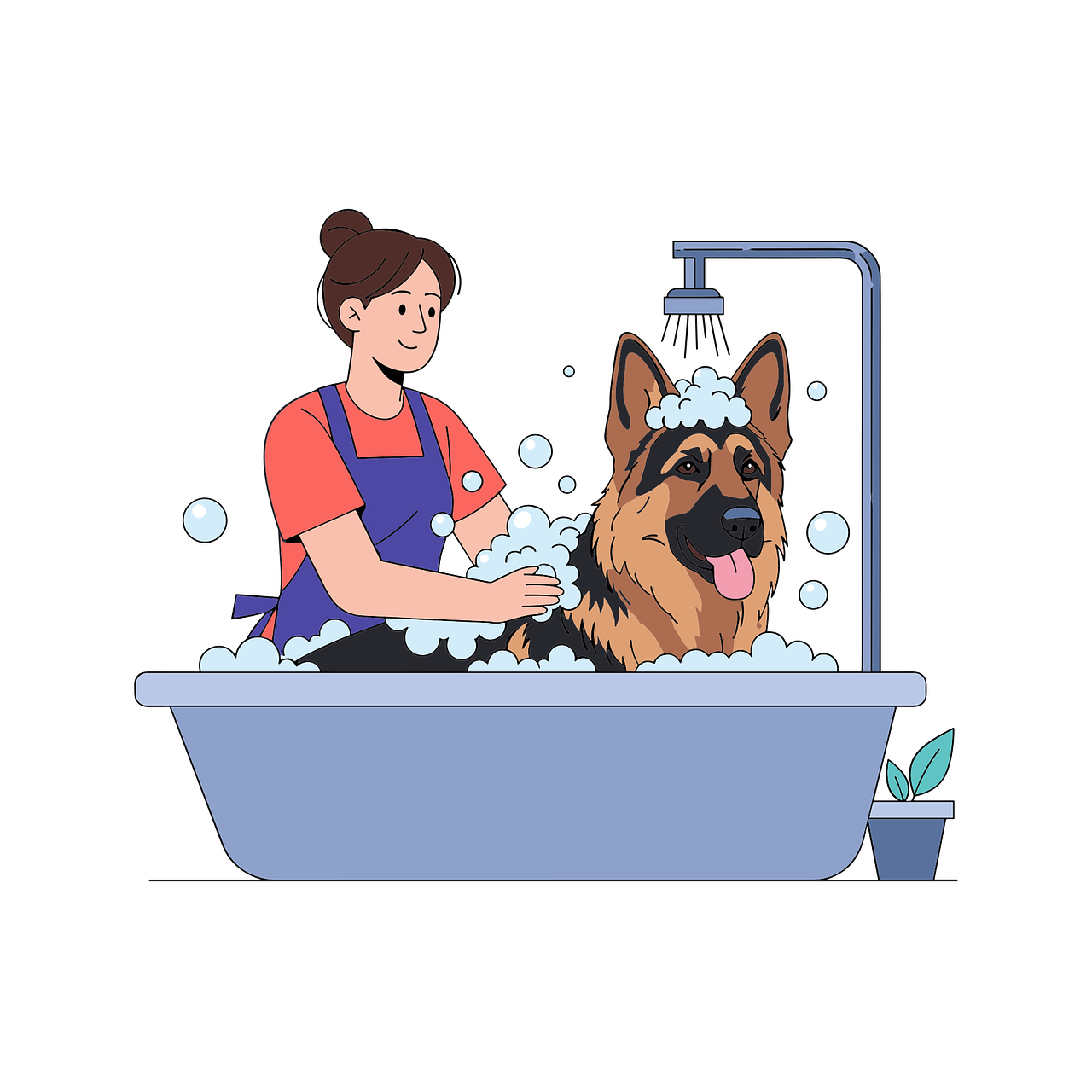
After selecting the appropriate shampoo, it’s time to prepare for bath time. Gather all necessary supplies, including the shampoo, a towel, and a non-slip mat for the tub or shower to keep your dog safe. Make sure the bath area is warm and comfortable, reducing the risk of your dog becoming stressed or anxious. Begin by wetting your dog’s coat thoroughly with lukewarm water, as hot water can lead to irritation. Once your dog is soaked, apply a generous amount of the parasite control shampoo, starting at the neck and working your way down to ensure even coverage. Lather the shampoo well, making sure to reach the underbelly, between the toes, and behind the ears where parasites often hide. Be careful to avoid getting shampoo into your dog’s eyes, ears, and mouth, as it can cause irritation or discomfort. Following the instructions on the shampoo bottle is essential for optimal results, typically allowing the shampoo to sit for a few minutes before rinsing thoroughly to ensure all product residue is removed from the dog’s fur.
Post-Bathing Care and Precautions
Following the bath, it’s important to dry your dog thoroughly. Use a towel to gently blot away excess water, aimed at avoiding vigorous rubbing which can irritate the skin. If your dog permits, using a hairdryer on a low, cool setting can help speed up the drying process, but keep it at a safe distance to avoid heat damage. Inspect your dog’s coat and skin once dried to check for any remaining parasites or signs of irritation. Regularly performing this sort of examination can help catch issues before they escalate. Moreover, ensure to keep your dog in a warm area until they are completely dry, as wet fur can lead to chilling. After bathing, prevent your dog from going in areas known for high parasite presence, such as tall grass and wooded regions, to minimize re-exposure. Don’t forget to reward your dog after bath time with praise and treats, reinforcing a positive experience, which can make future baths easier. Finally, maintain an ongoing schedule of flea and tick prevention, as well as regular grooming, to help keep your dog parasite-free and healthy.
It’s equally important to choose the right time for bathing your dog with parasite control shampoo. Regular grooming routines should be established, considering your dog’s breed and coat type. Long-haired breeds may require more frequent bathing, while short-haired dogs may only need a bath every few months. Keeping your dog’s coat clean can help in identifying any parasites early. Moreover, many parasites have life cycles that are influenced by seasons, which means there may be peak times for certain infestations. Therefore, it’s wise to administer parasite control shampoos around peak season periods, typically spring and summer, when fleas and ticks thrive. Keeping a calendar can be helpful in maintaining this schedule. In addition, if your dog spends a lot of time outdoors or in dog parks, they may need more frequent treatments. Ensure that your dog’s environment is also cleaned regularly by washing bedding, vacuuming floors, and treating outdoor spaces periodically. This comprehensive approach to parasite control both through washing and environmental management can significantly reduce potential infestations from occurring. Understanding these factors can greatly assist in safeguarding your pet’s health.
When to Consult a Veterinarian
Although parasite control shampoos can be effective, consulting a veterinarian in certain situations is crucial. If you notice signs of significant distress, such as excessive scratching, biting at the skin, or abnormal behaviors following the use of the shampoo, immediate veterinary attention is necessary. Some dogs may be allergic or hypersensitive to certain ingredients in commercial shampoos, making it essential to switch to a suitable product or consider alternative treatments as recommended by your vet. Furthermore, if your dog shows no improvement after consistent treatment with parasite shampoos, this may indicate a more serious issue that needs addressing. In addition, be cautious while using any medicated shampoos on pregnant or nursing dogs, as some ingredients may not be safe for the puppies. Regular veterinary check-ups can help identify underlying health issues as well. Additionally, vaccinations and preventative medications can protect against parasites and contribute to your dog’s overall wellbeing. Creating a strong relationship with your veterinarian is fundamental, ensuring that you can wisely navigate parasite control options for your dog effectively.
Moreover, educating yourself about the different types of parasites affecting dogs is an essential part of prevention. Common external parasites include fleas and ticks, while internal parasites consist of worms like heartworms and roundworms. Each type of parasite has different treatment options and life cycles that need to be discussed with your vet. For instance, if you suspect your dog has fleas, immediate action should be taken as these can quickly multiply, becoming a severe infestation. Regular fecal tests for internal parasites may also be advised during your veterinarian visits. These tests help in detecting parasites early, allowing for effective treatment options to be implemented. Furthermore, staying informed about advancements in parasite prevention can help you make educated decisions about your dog’s healthcare and maintenance routine. By combining thorough cleaning of your dog’s environment, consistent grooming, and effective use of shampoos and vet-recommended products, you can greatly enhance your dog’s protection against these pesky parasites, promoting a happier, healthier life in your beloved pet. Don’t forget to share insights with fellow dog owners to raise awareness and help others find appropriate solutions too.
Final Thoughts on Parasite Control
In conclusion, using parasite control shampoos on your dog is an effective approach to keeping them safe from harmful pests. However, safety and proper application are paramount in this process. Always read and follow product instructions carefully, and consult your veterinarian if you are unsure about any step. Moreover, consider your dog’s specific needs and tailor your approach accordingly, ensuring maximum effectiveness without compromising their health. Regular grooming and environmental cleanliness in conjunction with the use of shampoos will fortify your efforts. Don’t overlook the importance of ongoing education about various types of parasites and the latest prevention strategies available. Remember, a proactive approach to parasite control ensures your dog remains healthy, happy, and free from discomfort. Your dog’s health and happiness are worth the effort, and by taking the right steps, you will foster a strong bond while providing the best care possible. Being a responsible pet owner means staying informed and acting in the best interest of your furry companion. As you practice these tips, you can take pride in being a proactive caretaker of your beloved dog, allowing them to enjoy life to the fullest.
Frequently Asked Questions About Dog Shampoo
Understanding the nuances of dog shampoo is fundamental for pet owners. Many people wonder about the frequency of use or whether certain brands are more effective than others. The need for specific shampoo types arises from the diverse range of ingredients available, each targeting different parasites or conditions. Whenever trying a new product, always observe your dog for any changes in behavior or skin reactions. Reading reviews can also guide you toward safer options that align with your dog’s needs. Furthermore, some owners ask if it’s safe to use the same shampoo for pups and adult dogs; however, puppy formulas are generally gentler to accommodate their sensitive skin. Always check whether the product indicates it’s suitable for all ages. Additionally, some wonder about the risks of long-term use; thus, using shampoos periodically rather than continuously is often advisable unless advised otherwise by your vet. Proper education empowers pet owners, ensuring that they make informed decisions regarding their furry companions’ health and wellbeing, ultimately creating a proactive pet care routine that keeps away unwanted parasites.