
When to Seek Veterinary Care for Your Cat’s Insect Bite
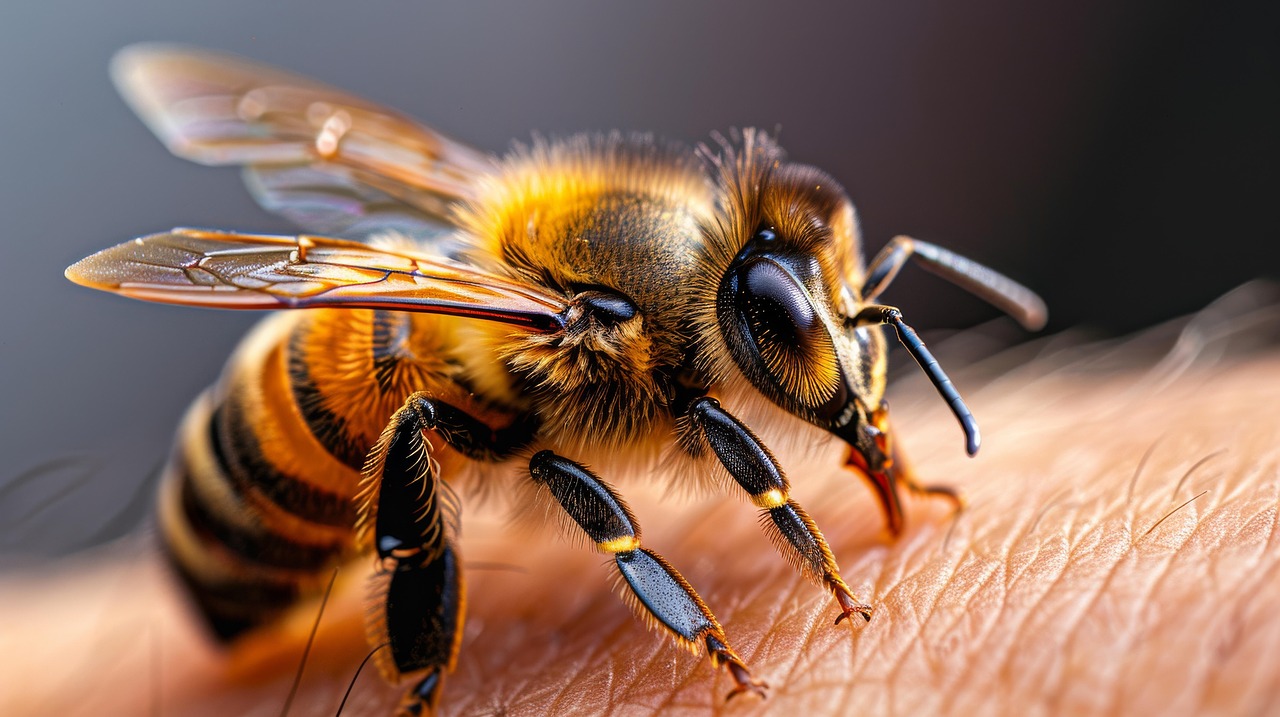
As a devoted cat owner, understanding insect bites and stings is crucial. Sometimes, these events occur unexpectedly, requiring immediate attention. For example, a kitten may encounter a bee or wasp during play. The first reaction might be swelling or redness at the site of the bite. These signs can vary depending on the type of insect involved. Allergic reactions may cause a sudden, intense reaction requiring urgent veterinary evaluation. Monitoring your cat after a sting is essential to catch any complications early. Ending up with a veterinarian should be based on observing signs like difficulty breathing, swelling, or excessive drooling. It’s vital to understand that immediate action can prevent severe side effects and ensure your cat’s wellbeing. Familiarizing yourself with the specifics of insect bites can be highly beneficial as prevention and maintenance measures can also be initiated. The best approach entails keeping your cat indoors during high insect activity seasons. Make sure you have your veterinarian’s contact details on hand in case of emergencies, which can reduce the stress levels for both you and your pet during a crisis.
Another important aspect of dealing with insect bites involves knowing the typical symptoms to watch for. Common reactions include local swelling, redness, and discomfort at the site. These symptoms often settle over a few hours, but it’s crucial to remain vigilant. If your beloved feline exhibits severe signs such as intense swelling, a sudden change in behavior, or excessive pain, this could indicate a more serious reaction. Pay attention to your cat’s eating habits as well; a loss of appetite may suggest discomfort or distress following an insect sting. Sometimes, vomiting or diarrhea may also occur. These symptoms are especially concerning if they happen simultaneously. Allergies to specific insect venom can be severe, sometimes requiring an emergency response. As pet owners, it’s our responsibility to gather detailed information about the type of insect involved in the sting and communicate this to the veterinarian. Not all stings are equal; bees, wasps, and fire ants, for instance, all evoke different responses from cats. Therefore, having relevant information can aid the vet in deciding the best treatment plan swiftly.
Recognizing Severe Reactions in Your Cat
Recognizing when a cat is having a severe reaction to an insect bite is imperative for timely care. Symptoms such as difficulty breathing or rapid swelling can indicate anaphylaxis, a severe allergic reaction. This condition can escalate quickly and may be life-threatening, necessitating immediate veterinary attention. Other alarming signs to watch for include vomiting, seizures, or extreme lethargy. If your cat shows these symptoms, do not hesitate to begin emergency protocols. Additionally, keep an eye out for pale gums, which can signal distress needing prompt evaluation. The severity of these symptoms can differ depending on the individual cat and their predisposition to allergies or sensitivities. Cats who have experienced insect stings previously may be more prone to heightened reactions in the future, illustrating the importance of health history when consulting a veterinarian. Early intervention leads to better outcomes, reducing risks of complications down the line. Making regular vet visits can also empower you with strategies to reduce your cat’s chances of encountering stinging insects and maintain good overall health. Prevention remains the best medicine when it comes to insect stings and bites.
Following up on insect stings includes examining your cat’s overall response to treatment as well. Some cats may require prescribed medications such as antihistamines, while others may only need topical treatments to soothe localized swelling. In either case, follow your veterinarian’s recommendations closely. Close monitoring after treatment is vital to ensuring your cat does not develop further complications. Maintain a consistent observation of the affected area. The rash or swelling should gradually decrease in size and visibility over time. If there’s no improvement or if the condition worsens, promptly contact your veterinarian. This could indicate that your pet needs a different treatment approach or further examination. Also, be cognizant of any secondary infections that may arise, particularly if your cat scratches or bites at the site, potentially allowing bacteria to enter. It might also be helpful to observe your cat’s behaviors around various insects; sometimes, they can learn to avoid specific triggers. Regularly assessing areas where your cat spends its time outdoors may also help minimize the likelihood of insect encounters occurring in the first place.
Preventive Measures to Keep Your Cat Safe
Implementing preventive measures can be pivotal in safeguarding your cat from potential insect bites. Regularly grooming your cat can help you spot and remove any pests before they have a chance to bite. For instance, combing out fleas and ticks ensures a safer environment for your cat, especially if they spend time outdoors. Additionally, keeping the outdoor environment tidy can diminish insect attractions; removing food scraps, using suitable waste containers, and maintaining your garden can effectively reduce insects like ants and wasps. If you notice wasp nests or bee hives near your home or garden, it’s wise to consult with professionals for safe removal. Create outdoor safe zones for your cat, ensuring that play areas are monitored and no harmful insects can invade them. Providing shady retreats can also deter insects, refreshing your cat during play and keeping them cool. Finally, consult your veterinarian about vaccinations or preventative measures that can further reduce your cat’s risks. Routine health check-ups are equally essential to ensuring your cat remains healthy, especially as seasons change and insects become more active.
If all preventive measures fail, understanding your veterinary options is necessary for overall care. Discuss potential vaccines or treatments with your veterinarian, as these can impart extra layers of protection against reactions to insect bites. Being equipped with first-aid knowledge also serves as a great benefit. Familiarize yourself with basic ingredients that can help alleviate discomfort until you reach a veterinarian. For example, using a clean cloth with cold water on the affected area may reduce swelling, although avoid home remedies without consulting a professional first. In any case, set up a clear plan for contacting a vet in an emergency situation to minimize response time. Ensure you know the location of your closest animal hospital and their hours of operation. Some pet healthcare providers might also have active emergency protocols for after-hours situations. Keep a handy first aid kit specific for cats to alleviate minor injuries and provide quick care when needed. Lastly, if you’re unsure whether to seek veterinary care, it’s almost always better to be safe than sorry.
Conclusion: Always Be Prepared for Emergencies
Being prepared for emergencies is crucial in ensuring your cat’s well-being. Insect bites can happen at any time, so having a plan helps alleviate panic should an incident occur. Equip yourself with knowledge about various types of insects and their potential effects. Also, create a list of symptoms that warrant immediate veterinary attention. Being proactive allows your cat to receive timely care with minimal distress. Moreover, teaching those in your household, such as children or other caregivers, about these steps is equally important. Understanding when to intervene and when to seek professional help is vital in handling insect bites effectively. Keeping a first-aid kit and knowing basic first aid for cats can significantly enhance your response to emergency situations. As always, communication with your veterinarian provides insights on the best practices for insect bite management and preventative measures tailored for your cat’s specific needs. Stay informed, alert, and proactive to create a safer environment for your beloved feline companions. This level of awareness can drastically improve their quality of life and reduce the chances of adverse outcomes.
In conclusion, staying informed and prepared is fundamental in managing your cat’s health, particularly when faced with insect bites. Recognizing the necessary signals indicating a need for veterinary care after such incidents is essential. Overall, maintaining clear communication with your veterinarian will enhance your understanding and ability to care for your cat in these situations.