
The Link Between Dog Ears and Their Overall Behavior
Understanding the connection between dog ears and their emotions is vital for pet owners. Dog ears are incredibly expressive and serve as indicators of their emotional state. For instance, when a dog’s ears are perked up, it usually signifies curiosity or excitement. In contrast, if the ears are pinned back, the dog may feel fearful or submissive. Observing these ear positions can help pet owners respond appropriately to their pets’ needs. Further, canine body language also plays a crucial role in interpreting their feelings. It is essential to take note of the complete posture of the dog when assessing its mood. This holistic approach allows for better communication between dogs and humans. Ear movements convey a range of emotions, such as confidence when both ears stand upright or anxiety when ears droop. Therefore, knowing how to read these signs can enhance the bond between dogs and their owners. By learning the nuances of dog behavior, one can significantly improve training and socialization while ensuring a happier and healthier environment for their furry companions. Awareness of these signs is also critical for ensuring safety.
The Importance of Observing Ears
Being attuned to the nuances of dog ear positions is incredibly important. Different ear positions correspond to different emotional states. For example, ears that are relaxed and slightly forward indicate that a dog is comfortable and happy. Conversely, if the ears are rigid and pointed, the dog might be alert or on the defense. Additionally, floppy ears can reflect a sense of comfort or submission, providing insight into the dog’s emotions. It is not only the position but also the movement of the ears that can reveal a lot. Dogs may rotate their ears in the direction of sounds they hear, showing interest or concern. Therefore, being aware of the subtle changes in ear positioning can inform pet owners about their dog’s mental state. Engaging with your dog when you notice specific ear behaviors can help strengthen your bond. Overall, a responsive approach rooted in understanding ear signals promotes a deeper relationship. Pay attention to your dog’s ear movement, as it can also be a clue to their health. If you observe sudden changes in these ear behaviors, consulting a veterinarian is advisable.
Ear Health and Emotions
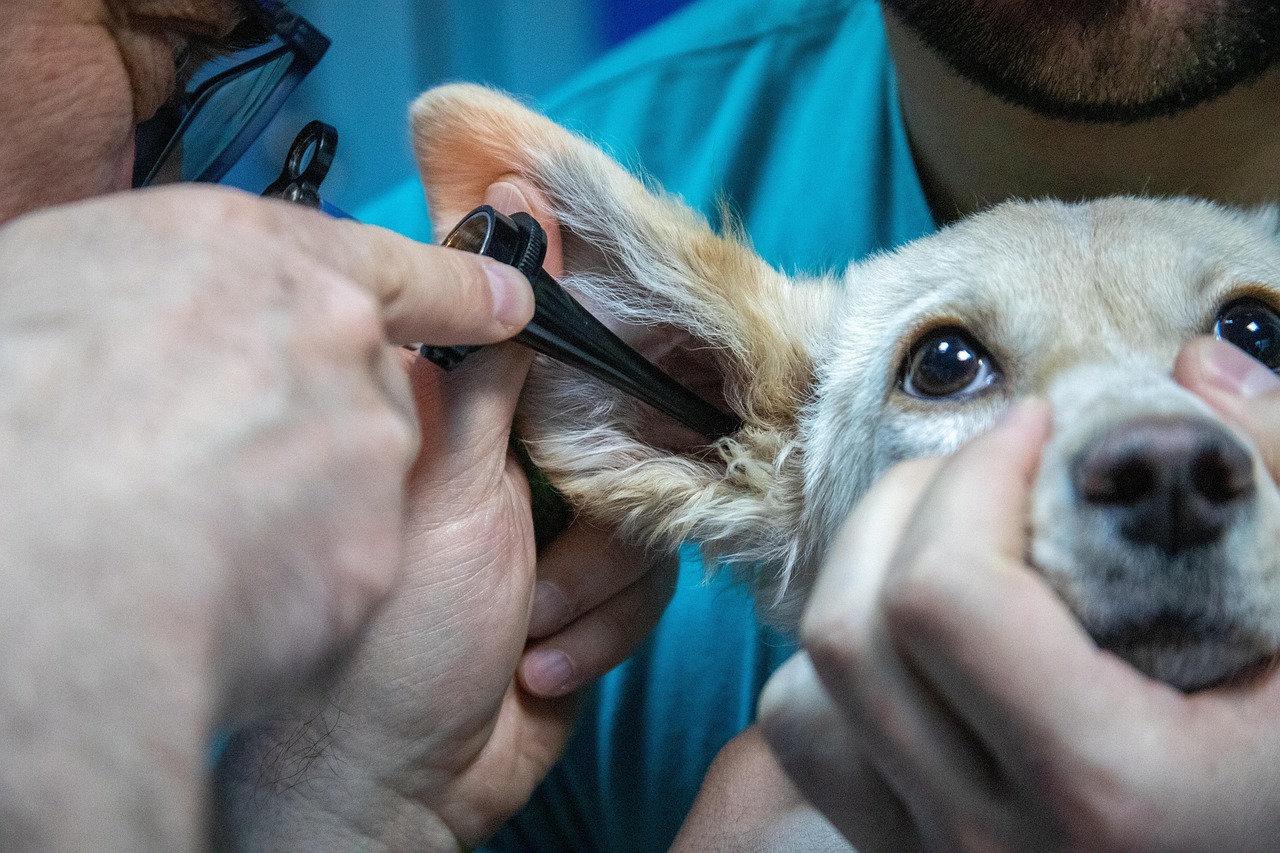
The health of your dog’s ears can significantly impact their behavior. Healthy ears contribute to better emotional well-being and overall happiness. When a dog experiences ear infections or blockages, it may lead to discomfort or pain, which can cause irritability and distress. Observing changes in your dog’s ear flaps is essential for early detection of such issues. When a dog shakes its head frequently or scratches its ears, it often indicates a problem. These behaviors are usually accompanied by altered mood or aggression due to discomfort. Ensuring that your dog’s ears are clean and free from parasites can help maintain their emotional balance. Regular check-ups with a veterinarian can help catch any issues before they escalate. Furthermore, anxiety can sometimes manifest as excessive ear scratching, making it crucial for owners to identify underlying stressors. Also, if you notice your dog exhibiting signs of anxiety when their ears are touched, it may signify a painful ear condition. Taking proactive measures regarding ear health is essential for promoting not only physical but also emotional well-being. Healthy ears contribute to a happy dog.
Social interactions with other dogs can also affect ear movements and behaviors. During playtime, a dog’s ears can show excitement, happiness, or even submission, depending on the context. When dogs meet new friends, their ears may perk up out of curiosity or flatten as a sign of anxiety. Canine play behavior often includes intense ear movements, showcasing their emotional state in real-time. Watching the dynamics during play can provide insight into social structures within a pack. Dominant dogs may exhibit confident ear positions while more submissive ones will display lowered ears. Understanding these social cues through ear behavior can aid in preventing conflicts. Sometimes, misunderstandings arise during these interactions, causing unnecessary stress for both parties. Therefore, owners should supervise dog play closely to ensure safe interactions. This attentiveness not only ensures physical safety but also helps manage emotional well-being. Learning to recognize these behaviors fosters a more harmonious relationship among pets. Additionally, training techniques involving positive reinforcement can encourage appropriate ear signaling, further improving social behavior. A balance of physical and emotional health promotes a happier dog experience.
Training and Ear Communication
Training your dog while paying attention to ear communication can significantly enhance behavior modification. Utilizing an understanding of ear positions helps in creating a language that strengthens the bond between you and your dog. For instance, when your dog is relaxed and its ears are in a neutral position, it may be an ideal time for learning new commands. Conversely, if the ears are tense, it might not be the best moment to introduce training concepts. Employing rewards and treats during calm moments, marked by relaxed ear positioning, cements positive associations. Furthermore, reinforcing these behaviors through consistent and clear communication enables better learning outcomes. This creates an environment where the dog feels safe to explore and learns enthusiastically. Additionally, incorporating physical touch around the ears helps in fostering trust. Training should also address any anxiety-inducing situations, ensuring that the dog learns to respond positively, even when stressed. Therefore, balancing training with proper ear observation encourages a more engaged and responsive learning experience. Dogs that feel understood and secure will be more open to learning, effectively improving overall behavior. Skillful use of ear communication adds depth to training sessions.
Emotional Support and Ear Signals
Recognizing the role of ear signals in emotional support can enhance the quality of your interactions with your dog. For example, dogs often look to their owners for cues when navigating new environments. Ears that are perked forward can indicate readiness for exploration, while pinned-back ears might reveal hesitation or worry. Being sensitive to these messages allows for timely interventions. In moments of uncertainty, offering comfort through soft words or touch can significantly improve your dog’s emotional state. Implementing calming techniques, such as playing soothing music, can help alleviate anxiety, and observing your dog’s response communicates effectiveness. Notably, dogs may exhibit a mix of ear behaviors depending on their comfort level. Regularly engaging with your dog during various experiences seems essential to enhancing their confidence. It fosters a stronger emotional connection, as they learn to trust you as a source of security. This mutual understanding can also improve your dog’s behavior during stressful situations like thunderstorms or vet visits. Therefore, creating a safe environment, where ear signals are respected, promotes emotional well-being and stability, enriching your pet’s quality of life.
Caring for your dog’s ears is fundamental not only for their health but also for emotional well-being. Regular inspections help to identify issues that may lead to discomfort or stress. Of course, teaching your dog to accept ear care without fear is equally essential. Dogs that associate ear handling with positive experiences tend to remain calm during medical checks and grooming. Utilizing treats to encourage acceptance of ear handling creates positive associations. It is also crucial to maintain clean living conditions, as dirty environments can lead to infections and subsequent behavioral changes. Regular cleaning, along with professional veterinary advice, safeguards against serious complications. Furthermore, observing your dog’s behavior concerning ear handling may reveal underlying anxiety or trust issues. Engaging in gentle, affectionate practices fosters a deeper bond between owner and dog. Establishing a regular routine for ear cleaning can transform a once stressful task into a bonding experience. As a result, improving ear health not only protects physical well-being but also positively affects emotional stability. This holistic approach ensures a balanced, healthy life enriched by trust and understanding between the pet and owner.