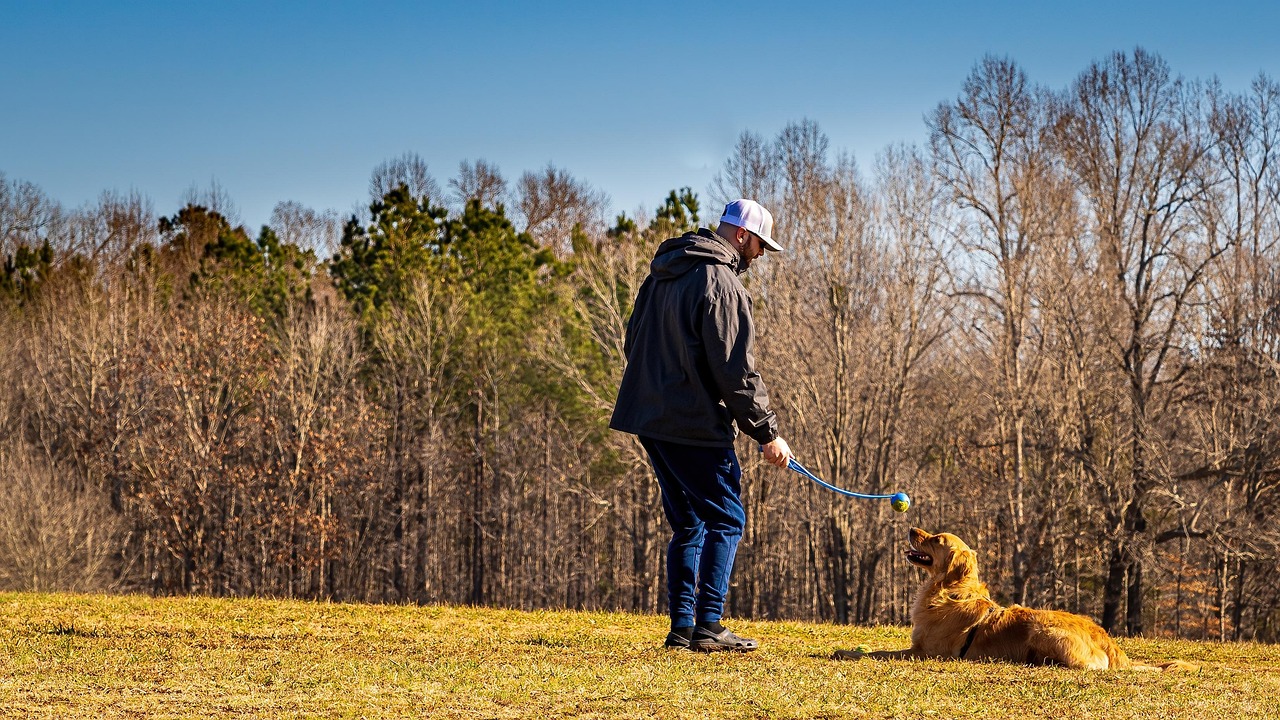

How to Introduce New Commands to Your Dog Effectively
Introducing new commands to your dog can be a rewarding endeavor that strengthens your bond. Start by choosing a simple command that is easy to remember, such as “sit” or “stay.” Consistency is key in dog training, so use the same word or phrase every time you give the command. Begin your training sessions in a quiet environment without distractions, allowing your dog to focus entirely on you. Reward your dog immediately after they perform the desired action by using treats or praise, reinforcing their positive behavior. Keep the training sessions short, ideally lasting around 5 to 10 minutes, to keep your dog engaged. Frequent short sessions usually yield better results than lengthy, tiresome ones. When the dog performs the command successfully, be enthusiastic. Use a happy tone of voice, as dogs respond well to emotional cues. Practice during different times of the day to ensure your dog remembers the commands well. Lastly, gradually add more challenging commands or distractions as your dog becomes more proficient. This helps to build their confidence and reinforces their learning.
Understanding Your Dog’s Learning Style
Each dog has a unique learning style that can greatly influence their ability to understand commands. Some dogs may be more visual learners, requiring clear demonstrations of behaviors, while others may respond better to auditory cues or touch. Take time to observe your dog’s reactions to various training methods and adjust accordingly. Identifying how your dog learns best can lead to more productive training sessions. If your dog seems confused by a command, try altering your approach to see if they respond better. Additionally, it can be beneficial to break down commands into simpler steps. For example, if you’re teaching “come,” initially practice this from a short distance, using a leash to guide your dog. Gradually increase the distance as they become more confident. Patience is critical; some dogs may require more time than others to grasp new commands. Celebrate small victories and avoid expressing frustration, as this could create anxiety. Further, making training sessions fun will not only encourage learning but also keep your dog eager to engage with you. Engaged dogs learn faster and bond more deeply with their owners.
Positive reinforcement is one of the most effective techniques in dog command training. Dogs respond to rewards, which can be treats, praise, or playtime. Whenever your dog performs a new command correctly, acknowledge their effort enthusiastically. By doing so, they will associate the command with positive outcomes, increasing their motivation to obey. Keeping a variety of rewards can keep your dog interested; mix treats with different types of toys or even a favorite game. It’s essential to avoid punishment or negative reinforcement, as this can lead to fear and confusion, hindering learning. Always strive for a balance in training that promotes encouragement rather than intimidation. Instead of saying “no” when your dog makes mistakes, redirect them to the desired behavior and reward them once they comply. Human emotions can be very contagious for dogs, so maintain a calm demeanor and positive energy during training. You can also incorporate training into daily activities, making it less of a chore and more of a routine that your dog looks forward to. This will support their learning and make your sessions more enjoyable.
Engagement Through Interactive Training Methods
One of the key aspects of teaching new commands is keeping your dog engaged throughout the process. Interactive training methods can help maintain their interest and motivation. Consider utilizing toys during training to spark your dog’s curiosity. For instance, you can hide their favorite toy and teach them the command “find it” to encourage them to search. This method combines play with training, making it a fun experience for both of you. Another engaging approach is to use clicker training, which provides a consistent sound that marks the exact moment your dog does something right. This helps dogs clearly understand what behavior is being rewarded. By pairing the clicker sound with treats, your dog learns to associate the noise with positive outcomes. Moreover, training alongside a friend and their dog can create a social atmosphere, making lessons more enjoyable. Positive peer interactions can encourage good behavior as dogs naturally want to impress their companions. Always remember to celebrate achievements, big or small. By continuing to make learning enjoyable, you’ll solidify the commands in your dog’s mind.
Consistency extends beyond just using the same words for commands; it also includes ensuring everyone in the household follows the same training protocol. If different family members use different commands or rewards systems, it can create confusion for your dog. Establish a family training agreement where everyone uses the same terminology and techniques for commands. Consider maintaining a training log to track your dog’s progress regarding their learning, identifying areas that may need extra practice. This log will also serve as a motivational tool for family members, encouraging group participation in training sessions. It’s necessary to review the log together and celebrate milestones. Implement routine practice sessions throughout the week, mixing in old commands with new ones to keep your dog sharp. This not only reinforces their learning but also strengthens your communication bond. Group sessions are also a wonderful way to share the experience together, fostering teamwork. Collaborative learning helps dogs feel supported as they progress. By maintaining strong communication and teamwork within your household, you ensure your dog receives a cohesive training experience.
Dealing with Challenges During Training
Training can often present unexpected challenges, and being prepared to handle them is essential for both your and your dog’s success. Common challenges include distractions from the environment, which can derail focus during training sessions. If your dog is distracted outside, consider moving indoors or to a quieter space where they can concentrate better. On the other hand, if your dog is reluctant to engage, it may suggest that they are not understanding the command or they lack motivation. Analyze their behavior; they may need more enticing rewards or shorter training sessions. Additionally, dealing with a stubborn dog can be tricky. Instead of forcing compliance, use patience and allow them to acclimate to the command gradually. It’s equally important to recognize when your dog is fatigued and needs a break. Overworking can hinder performance and lead to frustration for both you and your dog. Always ensure that training remains a positive experience, and don’t hesitate to change your approach if something isn’t working. Adaptability is a crucial element that allows you to overcome obstacles effectively in the training process.
Ultimately, introducing new commands is an ongoing process that requires continuous reflection on the training methods used. Progress may not always be linear; some days your dog will grasp commands effortlessly, while other days may be more challenging. Remain patient and understanding during these times, remembering that every dog learns differently. Celebrating successes, no matter how small, will keep the morale high for both you and your dog. It’s important to maintain a positive and flexible mindset, as this will help foster a better learning environment. Consistent practice and creativity in your training approach will not only help your dog learn but will also enhance your relationship. Incorporate commands into daily activities, like mealtime, making them a natural part of your dog’s routine. Teaching new commands doesn’t have to be a chore; it can be a source of joy and connection. Encourage your dog to demonstrate their learning in various contexts, showcasing their understanding and reliability. Through patience, engagement, and appropriate rewards, you can ensure a successful and enjoyable training experience while strengthening the bond with your furry companion.