
The Role of Cats in Disaster Response and Rescue Missions
In recent years, the inclusion of cats in disaster response and rescue missions has gained attention. Their agility and keen senses allow these felines to assist in locating trapped individuals in debris after disasters. Cats, with their unique physical capabilities, possess the ability to maneuver in tight spaces that humans often cannot reach. This makes them invaluable when searching for survivors beneath rubble and other obstacles. Furthermore, their independent nature and low-maintenance requirements allow them to adapt to various environments quickly. Various animal organizations are exploring training methods to prepare cats for disaster scenarios, thus expanding the team of participants that can assist in saving lives. The undeniable bond between humans and animals enhances morale during traumatic situations, providing comfort not only to the survivors but also to the rescue teams involved. Employing cats in strategic disaster planning presents a new frontier in rescue missions. Their ability to sniff out victims, along with their low profile and agility, makes them ideal candidates for such endeavors. As we continue to understand the role of animals in rescue operations, integrating cats in these efforts will enrich future missions significantly.
Building on the effective use of cats in disaster response necessitates extensive training protocols. Training is essential for optimizing their natural instincts and ensuring their wellness during operations. Rescue organizations are experimenting with various techniques to enhance feline response times and outcomes during emergencies. Techniques such as scent detection training help cats learn to recognize human scents among debris. Furthermore, cats can be taught to respond to specific commands, making them precise in their actions during a crisis. Regular exercises and familiarity with different disaster environments can reinforce their skills and keep them physically fit. Collaboration between veterinarians and trainers will also ensure cats remain healthy and psychologically stable throughout the training process. These training regimes importantly mirror tasks performed by search and rescue dogs, thereby highlighting the potential roles cats can play. As demand grows for innovative disaster response strategies, understanding the boundaries of cat capabilities is vital. Continual improvement of training and welfare standards will elevate their performance in rescue scenarios, ensuring not only their safety but also achieving high success rates in missions. Efforts toward fostering a culture of respect for animals’ contributions can advance the integration of cats into disaster rescue frameworks.
Success Stories of Cat Rescue Missions
Numerous success stories illustrate the impactful role of cats in disaster scenarios. Consider a well-documented case where a cat named Whiskers assisted a search team following an earthquake. This courageous feline maneuvered through a collapsed building, alerting rescuers to a survivor trapped underneath the rubble. Another story features a group of trained felines deployed after a hurricane struck a coastal town, where they helped locate several individuals stranded in collapsed structures. These captivating stories highlight the potential of cats in emergencies, reinforcing the belief that these agile animals can save lives. Furthermore, animal rescue organizations frequently provide testimonials from survivors who recount how they found comfort in the presence of cats during chaotic times. Such interactions not only enhance the emotional well-being of victims but also offer solace to the rescue personnel. The companionship provided by cats can relieve stress, thus improving overall morale in tough environments. These real-world examples advocate for increased awareness and acknowledgment of the unique contributions of cats in disaster response. By promoting these positive narratives, we can begin to recognize the necessity of incorporating feline companions into future rescue operations effectively.
Expanding the use of cats in disaster recovery also aligns with sustainable practices. Cats do not consume the same amount of resources as larger animals, requiring less space and fewer provisions. This factor can significantly reduce logistical challenges faced by rescue teams during emergencies. Their ability to operate without extensive equipment means they can quickly be integrated into ongoing operations, allowing teams to focus on their specific needs. Training resource efficiency helps optimize overall recovery strategies while providing a swift response to affected communities. The agility and speed of cats can also foster a more rapid assessment of areas requiring attention. Compared to traditional methods that may involve more substantial frameworks or specialized teams, including cats enhances operational flexibility during crises. This new approach correlates with a broader trend towards agile methodologies in various sectors, fostering innovation and efficiency. Many organizations have seen enhanced outcomes by embracing unconventional tactics in disaster missions, paving the way for expanding feline involvement. The growing conversation around sustainable rescue strategies emphasizes the partnerships between humans and animals, validating cats’ roles as essential members of response teams.
The Human-Animal Bond in Crisis Situations
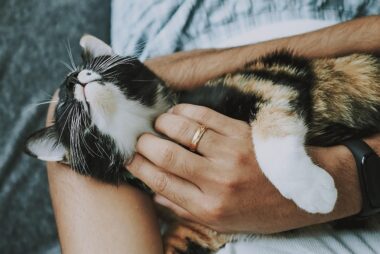
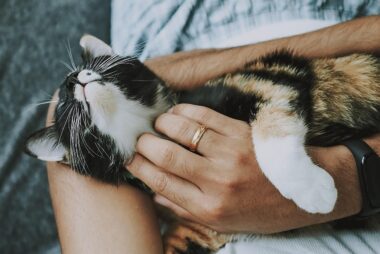
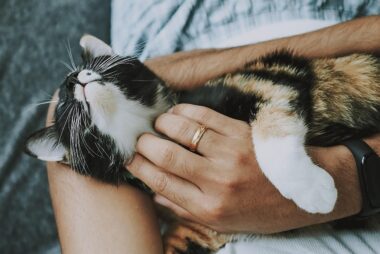
During crises, the human-animal bond demonstrates its significance, profoundly influencing both victims and rescuers. Having a cat present during disaster recovery can enhance emotional resilience among individuals experiencing trauma. The comfort and companionship provided by cats can alleviate feelings of anxiety and stress, promoting stabilization in chaotic environments. Therapists often utilize animal-assisted interventions to facilitate healing during traumatic experiences, emphasizing the therapeutic benefits derived from such relationships. Moreover, levels of empathy exhibited inspire volunteers and rescue personnel, reminding them of their shared humanity amidst adversity. Keeping morale high fuels motivation levels across the rescue effort, allowing participants to remain focused on goals even during harrowing experiences. Research highlights how interactions with animals can elevate mood and foster teamwork, values essential in crisis situations. Cats are evolving as unlikely heroes, providing not just physical support but also the emotional strength required in difficult times. It’s vital to continue exploring this bond’s potential and integrating it into recovery frameworks, ensuring a holistic approach for disaster response. By fostering connections between humans and cats, we emphasize the importance of emotional recovery alongside physical rescue, resulting in more effective outcomes in disaster relief.
As we reflect on the role of cats in disaster response, understanding public perception becomes increasingly essential. Many individuals may still harbor misconceptions about the capabilities of cats in emergencies, equating them only with traditional rescue animals, such as dogs. Education campaigns promoting successful cat rescue stories can shift public views, illustrating that cats can be effective team members in disaster scenarios. Involving communities in local training programs allowing them to witness these cats in action might further strengthen support for their involvement in rescue missions. Engaging with schools, and policy-makers, to advocate for inclusive practices, will foster a gradual acceptance of feline participation among first responders. The collaboration between animal and human agencies can create a supportive ecosystem, bridging the gap between tradition and innovation in rescue operations. Additionally, public service initiatives highlighting the benefits of integrating cats into disaster response will empower communities to understand the vital role these animals can play. Building awareness through positive media outreach can transform perceptions and inspire action toward innovative, animal-inclusive strategies for tackling disaster scenarios effectively. Combining these efforts demonstrates our collective commitment to creating a future where cats are recognized for their unique contributions to rescue missions.
Future Directions for Cat Rescue Integration
Looking ahead, future directions for integrating cats into disaster response strategies appear promising. The continued exploration of innovative training techniques is vital for honing their skills and adapting them for diverse disaster scenarios. Collaborative research between veterinarians, behavioralists, and rescue organizations can foster an understanding of best practices in training. Moreover, developing tailored programs for specific types of disasters will ensure that cats can be deployed effectively in various environments. Creating alliances among animal welfare advocates, researchers, and first responders will pave the way for successful integration patterns. These partnerships can help identify specific needs and challenges faced in disaster scenarios, allowing for proactive training and preparation. Public funding and support for research initiatives focusing on cat rescue capabilities will further enhance this mission. Encouraging engagement from communities in training programs will create a broader appreciation of cats in emergency services, providing a valuable knowledge base. Ultimately, the goal is to create a systematic framework that recognizes the essential contributions of cats in disaster response while ensuring their safety during operations. These future directions point toward a more inclusive approach to disaster rescue missions, emphasizing collaboration between humans and their feline friends.
In conclusion, the role of cats in disaster response and rescue missions represents an important shift in understanding animal contributions. Integrating cats into these operations harnesses their unique strengths while promoting welfare, innovation, and community resilience. The bond formed between humans and cats further exemplifies our collective responsibility to support inclusive practices in disaster response. By acknowledging their potential, we enrich our understanding of animal-assisted support and develop a more holistic approach to recovery efforts. As we pursue advances in teaching and training methods, the continued success of cats in disaster scenarios will pave the way for future initiatives. The vital partnerships formed between community members and feline team members will establish more effective recovery frameworks and enhanced outcomes. Raising awareness of the importance of cats in these scenarios will inspire change in attitudes and practices. In recognizing the essential role of cats in disaster response, we advocate for their rights and welfare while enhancing the overall capability and effectiveness of rescue missions. Through collaborative efforts, we can cultivate a culture of appreciation for all animals contributing to our safety and recovery in times of crisis. Together, we can ensure that cats claim their rightful place as valuable allies in disaster rescue missions.