
Outdoor vs. Indoor Dog Houses: Pros and Cons
When it comes to choosing a dog house for your furry companion, two primary options arise: outdoor and indoor dog houses. Each type has its distinct advantages and disadvantages. Outdoor dog houses are constructed to withstand the elements, providing shelter from rain, sun, and wind. They are often insulated for warmth during chilly months. However, you need to consider the breed and size of your dog as some may thrive better indoors. On the other hand, some pet owners prefer indoor dog houses that offer a cozy, warm space within the home. These houses can help in training and provide comfort without distracting from your living area. In deciding between outdoor and indoor, consider your dog’s lifestyle, your living environment, and your intent for the dog house. While outdoor houses are appealing for active dogs who enjoy being outdoors, indoor options typically provide a sense of security and comfort. As a result, take some time to evaluate these aspects depending on your situation before making a choice. Remember, every dog has different needs, so prioritize theirs during the selection process.
Benefits of Outdoor Dog Houses
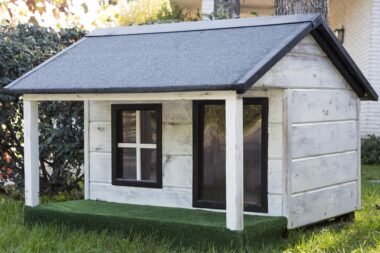
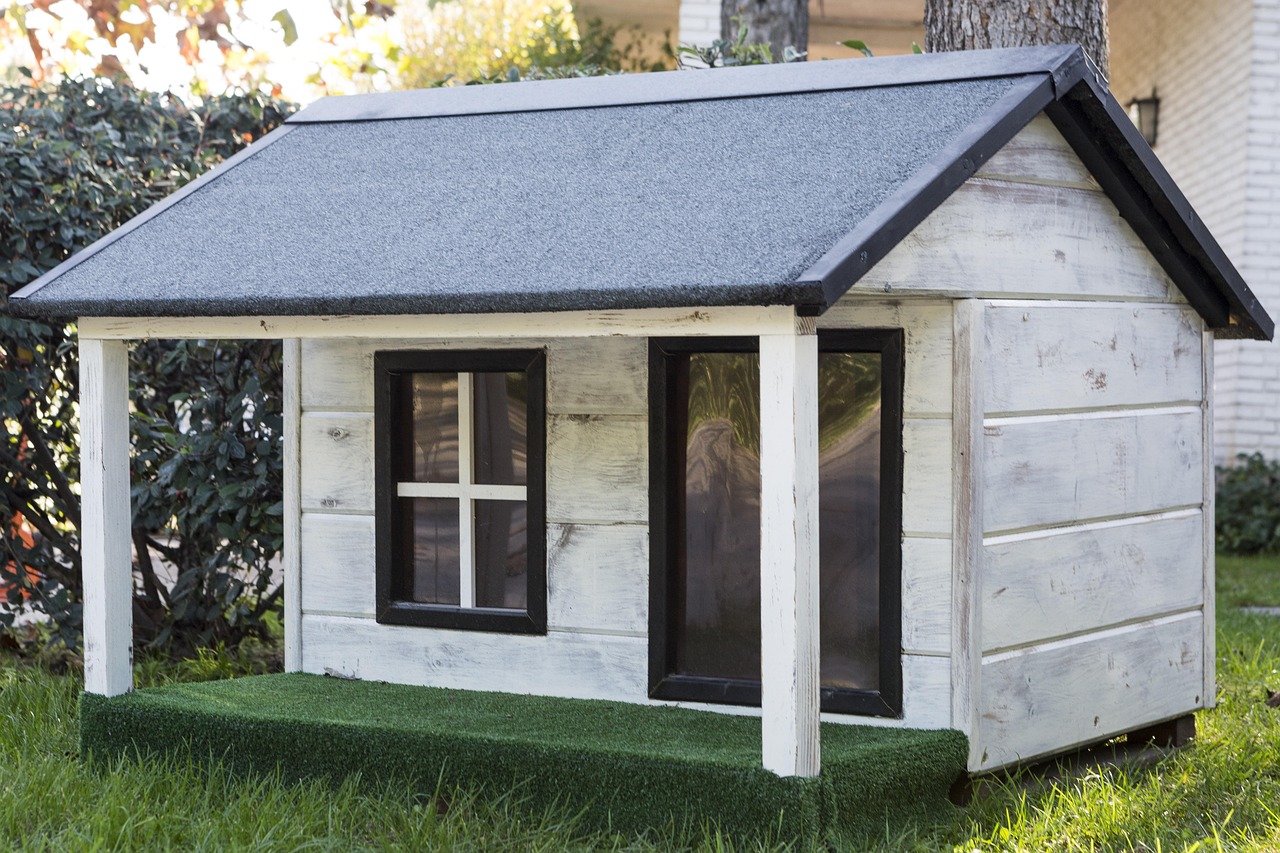
Outdoor dog houses offer several benefits, making them ideal for certain types of dogs. For instance, they provide your pet with a designated space in the yard where they can retreat when needed. This can be particularly beneficial during hot days, as a shaded outdoor dog house keeps your dog cool. Additionally, many outdoor houses come with features such as raised floors, ventilation, and insulation that enhance comfort. Moreover, these houses can effectively promote good behavior by giving dogs their own space. However, it’s vital to ensure the dog house is appropriately sized for your breed. A house that is too cramped may lead to discomfort or anxiety. On the safety side, outdoor dog houses should be placed in secure areas, shielded from extreme weather. Lastly, a good outdoor dog house can become a cozy den where your dog feels safe. If your dog enjoys spending considerable time outdoors, investing in a high-quality outdoor dog house may enhance their overall happiness. Always look for sturdy materials that resist wear and tear from the elements.
While outdoor dog houses cater to the active lifestyle of many dogs, indoor dog houses also possess unique advantages worth considering. Indoor houses create a sheltered space for dogs within the home, fostering a sense of security and comfort. These houses can aid in fostering good behavior and training. Dogs naturally seek out enclosed spaces that feel safe, making indoor houses an excellent option for anxious or timid breeds. Additionally, they can help to minimize shedding and mess associated with outdoor living. Indoor dog houses can also blend seamlessly with your home decor, ranging from utilitarian to stylish designs that act as furniture. Another factor is cleanliness; indoor houses are generally easier to clean and maintain. This option allows you to provide a controlled environment with regulated temperatures that outdoor areas can lack during extreme weather. Especially for homes with the space to spare, creating a cozy corner for your dog can enhance their overall wellbeing. Investing in a comfortable indoor house can lead to more peaceful coexistence between you and your furry friend, ensuring they feel loved and protected.
Considerations for Indoor Dog Houses
When choosing an indoor dog house, certain considerations come into play to ensure it meets your dog’s needs. Sizing is critical; the indoor house should neither be too large to feel empty nor too small to feel cramped. For added comfort, it is also wise to look for features such as removable cushions. Additionally, the material is paramount, as some can be too flimsy, leading to wear and tear. Opt for sturdy options that are easy to clean and maintain. Furthermore, consider the placement within your home. Choose a quieter, less-trafficked area where your dog can retreat from hustle and bustle. Positioning near a window for natural light can also be a plus, creating a inviting atmosphere. Ventilation should not be overlooked; proper airflow keeps the environment fresh and reduces odors. Finally, strive for an aesthetically pleasing design that complements your interior. Picking the right indoor house considers your dog’s comfort and your home’s style. Remember that a well-chosen indoor dog house can become your dog’s sanctuary, enhancing both their comfort and your living space.
Another essential factor when choosing between outdoor and indoor dog houses is your climate. Understanding how seasonal changes impact your dog’s needs will help in making the right choice. In frigid climates, outdoor dog houses should be insulated and elevated to prevent cold from seeping in from the ground. Similarly, during hotter months, ensure there is adequate ventilation and shade. If you live in a humid region, mold-resistant materials are necessary. On the other hand, if you reside in a temperate climate, both indoor and outdoor options might suit your dog well. Additionally, consider your dog’s behavior; active breeds may thrive outdoors, while calmer dogs may flourish in cozy indoor settings. Trials can be useful; if you notice reluctance from your dog in one environment, adjustments may be necessary. Adapting the dog house to seasonal changes and your dog’s preferences ensures they remain comfortable year-round. Overall, recognizing your geographic location and your dog’s habits plays a vital role in the decision-making process. A suitable environment reflects both safety and creature comfort.
Maintenance of Dog Houses
Regardless of whether you choose an outdoor or indoor dog house, maintenance remains paramount for the well-being of your pet. For outdoor dog houses, regularly check for damage caused by weather or pests. Routine cleaning minimizes odors and potential health issues. Easy access for cleaning purposes is important, considering the frequency of upkeep. The hygiene of the dog house is critical, so consider using a removable liner for easy washing. Wooden dog houses may require sealing or painting periodically to maintain their integrity. Conversely, indoor dog houses often require ensuring cleanliness and checking the condition of bedding materials. Additionally, indoor dog houses should be vacuumed to manage shedding. Ergonomic designs that facilitate cleaning are more desirable for busy pet owners. Bacterial growth can be an issue if the dog house is not maintained. Regularly inspecting and caring for the house can avoid these issues. Ultimately, give thought to materials that are easy to care for, allowing you peace of mind. Your dog’s health and comfort depend on your commitment to maintaining their house, regardless of its location.
In conclusion, selecting the perfect dog house requires weighing the pros and cons of each option. Outdoor dog houses offer a special space for active dogs, enabling them to enjoy their time outside while offering protection from the elements. Conversely, indoor dog houses foster security by providing a safe haven within the home. Consider your dog’s habits and preferences as well as your living environment. By understanding the unique needs of your canine companion, you will be better prepared to decide. Also, remember that maintenance is crucial for both types of houses, ensuring a safe and hygienic environment for your furry friend. Ultimately, regardless of your choice, both outdoor and indoor options can be designed to optimize comfort. Prioritize features such as size, material, and environmental impact as you embark on your journey of finding the perfect dog house. Above all, love and commitment to providing the best for your pet should guide your choice. A dog house, whether indoor or outdoor, serves not only as shelter but as a refuge reflecting your dog’s well-being and happiness.