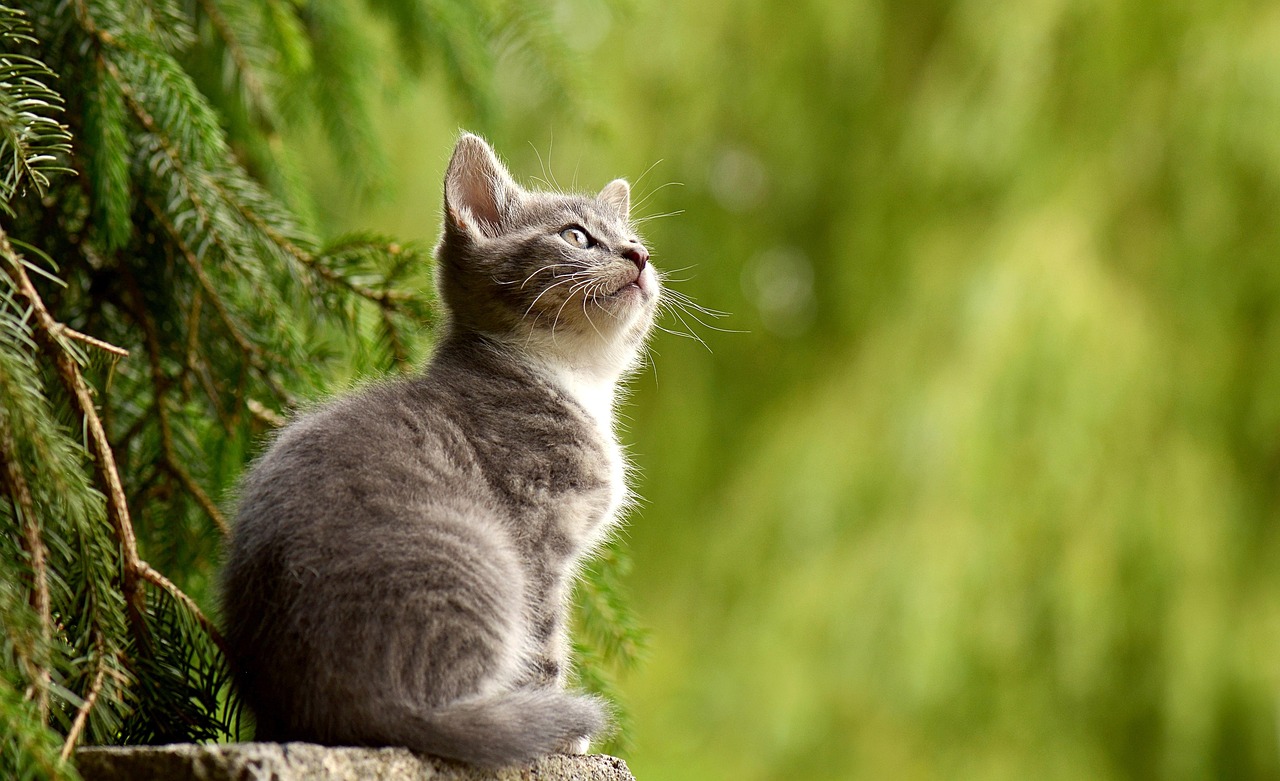

Tips for Monitoring Stress Levels in Your Kitten Daily
Keeping an eye on your kitten’s stress levels is crucial for their health and well-being. Kittens can experience stress for various reasons, and understanding these signs can help you provide a comfortable environment. Frequent changes in their daily routine, such as new pets or visitors, can cause anxiety. Additionally, a lack of social interaction or improper handling may also lead to stress. Monitoring their body language is essential; pay attention to their ear positions, tail movements, and general demeanor. Signs of stress can include hiding, excessive grooming, or vocalizations. Your kitten may also display avoidance behavior, preferring isolated spaces. Creating a calm environment with safe spaces may help minimize stress. If your kitten is showing signs of discomfort, consider establishing a daily routine that includes interactive playtime and downtime. Engaging in gentle play can alleviate stress and enhance bonding. Providing scratching posts and soft bedding can help create a comforting space for them. Overall, remain observant and proactive in recognizing stress signs to ensure your kitten remains happy and healthy.
One effective way to monitor stress levels in your kitten is through daily observation. Each kitten is different, and their normal behavior may vary widely. Pay attention to their eating habits, litter box usage, and overall energy levels. If you notice any sudden changes, such as a decrease in appetite or increased hiding, these could be indicators of stress. It’s also helpful to create a routine that allows for consistent interaction between you and your kitten. Regularly scheduled feeding times, play sessions, and cuddle time help establish a sense of security. Kittens thrive on predictability, and creating a familiar pattern can alleviate anxiety. When they know what to expect, they are less likely to feel stressed. Additionally, try to avoid sudden loud noises and chaotic environments as they can trigger fear responses in your kitten. Introducing calming products, such as pheromone diffusers or soft music, may also create a soothing atmosphere. Over time, you will learn to recognize the subtle nuances of your kitten’s behavior that indicate stress. Overall, consistency and observation are key elements in effectively monitoring your kitten’s stress.
Socialization is paramount in reducing stress levels during a kitten’s formative stages. Early socialization with humans and other animals will prepare them for the world outside their immediate environment. By introducing your kitten to various sounds, people, and situations gradually, you can mitigate the risk of them becoming overwhelmed. Use positive reinforcement, such as treats or gentle petting, to associate new experiences with comfort. Start with short, controlled encounters and gradually increase exposure over time. Keep an eye out for any signs of withdrawal or excessive play aggression, which may indicate stress. Ideally, socialization should happen between two and nine weeks of age, as that’s when kittens are most impressionable. However, socializing at any age can still produce positive outcomes. Always prioritize your kitten’s comfort level—if they seem distressed, take a step back and allow them time to adjust. Additionally, consider enrolling in kitten socialization classes or playgroups. These environments provide safe spaces for your kitten to interact with other pets under supervision. Positive early experiences will help create a more confident adult cat. Remember that the goal is to ensure they feel safe and secure.
Enrichment activities are critical for your kitten’s mental and physical well-being. Boredom can lead to stress, and providing stimulating activities can alleviate feelings of anxiety. Consider interactive toys, such as feather wands or puzzle feeders, which require engagement and mental effort. You may also create DIY toys or explore various cat furniture options, such as climbing trees or scratching posts. These structures not only provide exercise but also spaces for vertical exploration, fostering a sense of security. Rotate toys regularly to keep their interest piqued; just remember to monitor your kitten for new preferences. Moreover, engaging in regular play sessions is essential. Scheduled playtime not only strengthens your bond but also provides an outlet for their natural hunting instincts. Incorporate different types of play, such as chase or hide-and-seek, to keep the experience enjoyable and diversified. In addition, consider using treat-dispensing toys to combine mental stimulation with rewards. Implementing enrichment strategies can significantly decrease stress levels and improve your kitten’s quality of life. Ultimately, keeping your kitten entertained will allow them to express themselves freely and thrive.
Identifying Physical Indicators of Stress
Knowing the physical indicators of stress in your kitten is essential for timely intervention. One may notice behavioral changes that hint at their mental state. For instance, their body posture, ears, or tail position can provide valuable insights. A kitten that is stressed may crouch low or exhibit a tense body posture. Additionally, their ears may be pinned back against their head, indicating discomfort. Watch for excessive grooming, which can lead to bald patches and skin irritations. This behavior often stems from stress or anxiety. Another common sign occurs when they suddenly become withdrawn, preferring isolated areas or hiding spots. It is common for kittens to hide when experiencing fear or discomfort. Be vigilant about any changes in grooming habits, eating, or sleeping patterns. Some kittens may overeat or under-eat due to stress, highlighting the importance of monitoring their food intake closely. When these signs appear, it is necessary to determine the underlying causes. Stressful situations or environmental factors may need to be addressed promptly. Effective communication and understanding are crucial to ensuring a healthy and happy kitten life.
Environmental changes can significantly impact your kitten’s stress levels. It can be anything from a new piece of furniture to the addition of a family member. Kittens thrive in stable environments; therefore, any sudden shift can provoke anxiety. Moving homes or even re-arranging the living space can create a sense of insecurity. Additionally, any abrupt changes in their daily routine must be taken seriously. If you anticipate disruptions, such as travel or renovations, try to prepare your kitten by gradually acclimatizing them to the upcoming changes. Maintaining their normal schedule amidst chaos can help provide reassurance. Ensure they have a safe retreat, a place where they can access familiar items like their toys and bedding. Familiar scents play a pivotal role in their comfort. Consider using blankets or toys that smell like you, which can help soothe their nerves during stressful times. Furthermore, if you decide to adopt another animal, introduce them slowly and carefully. This integration should always be monitored to ensure both pets feel comfortable. By remaining vigilant and sensitive to your kitten’s needs, you can help them navigate through these changes effectively.
Professional Help and Consultation
In cases where stress becomes chronic or detrimental, seeking professional help may become necessary. Consulting with a veterinarian can provide guidance on effective management strategies. They can recommend approaches tailored to your kitten’s specific needs and can even suggest calming supplements if required. Moreover, understanding behavior through professional resources can aid in gauging their mental health status. Behavioral therapists specializing in feline behavior can provide additional support. They offer insight into stress management techniques and help in re-assessing your kitten’s environment. Also, when dealing with more severe cases of anxiety, medical interventions might be considered. It is important to discuss the best course of action regarding medication. Always prioritize your kitten’s health and mental state, as early identification of stress leads to better outcomes. You can create a lasting improvement in your kitten’s quality of life through timely interventions. As a loving pet owner, being proactive in addressing your kitten’s needs will foster a positive and supportive environment. Understand that each kitten is unique, and monitoring them closely leads to a happier, healthier pet.
In conclusion, keeping a close watch on your kitten’s stress levels is paramount for their overall well-being. Establishing a daily routine, providing socialization opportunities, and enriching their environment can significantly reduce stress. Observing physical and behavioral indicators, such as changes in eating or grooming habits, will help identify issues early. Consequently, you can create a positive atmosphere that allows your kitten to flourish. Paying attention to stress signals facilitates a deeper understanding of your furry friend’s needs. Consider consulting professionals for persistent issues or uncertainties regarding your kitten’s health and behavior. By ensuring your kitten is comfortable, secure, and happy, you set the foundation for their long-term happiness. Implementing these tips will help both you and your kitten share a joyful companionship. The goal is to establish trust and a nurturing bond, ensuring that your kitten develops into a confident and sociable adult cat. As caretakers, we play a vital role in supporting their development and emotional resilience. Remember, your kitten depends on you for guidance and reassurance, and with time and understanding, they will reward you with love and companionship.