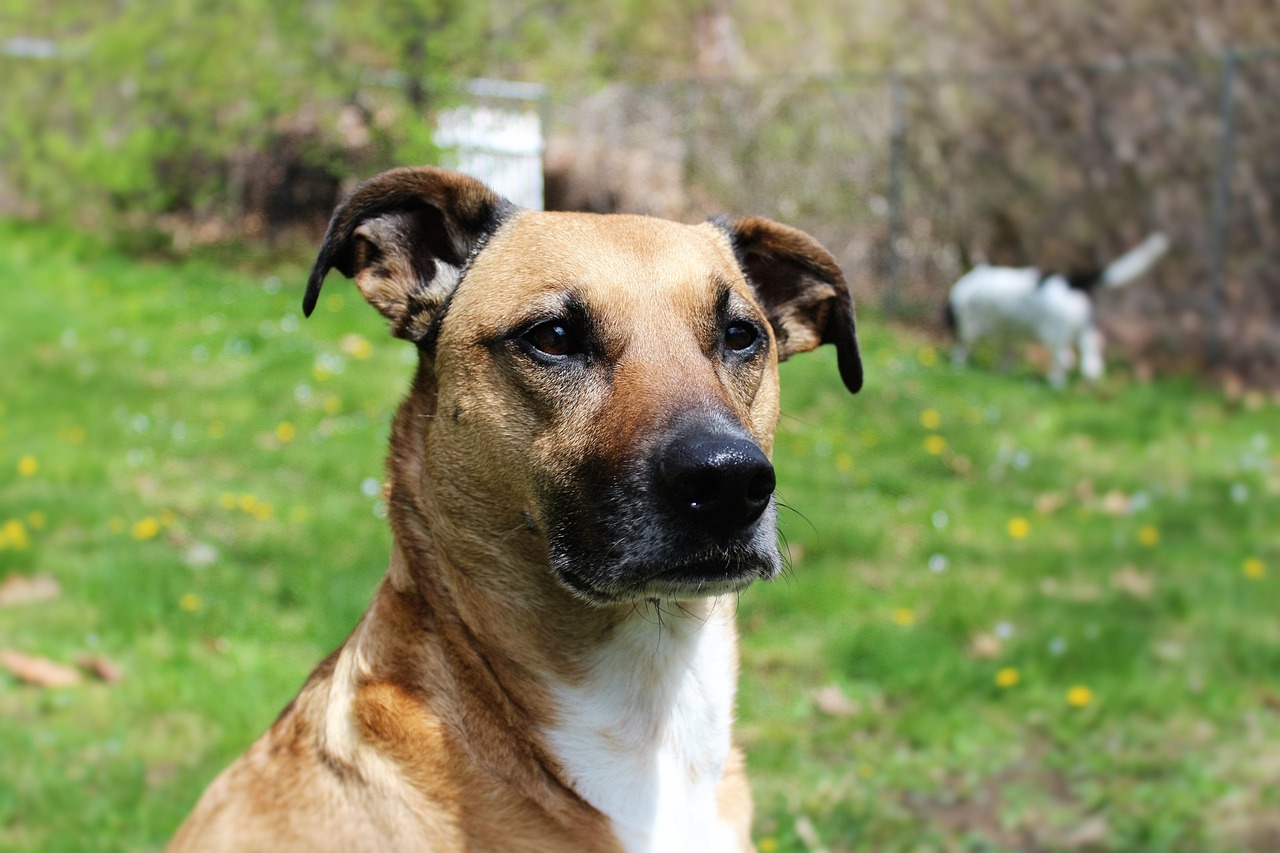

How to Identify Behavioral Issues in Rescue Dogs
Understanding a rescue dog’s behavior is essential for their successful integration into a new home. Behavioral issues often arise due to their traumatic pasts, making it crucial for adopters to recognize and address these challenges. A rescue dog may exhibit signs of fear, anxiety, or aggression, which can stem from neglect or abuse. Observing your dog’s interactions with people and other animals can provide insight into their emotional state. Look for signs of stress such as cowering, growling, or hiding. Equally, any excessive barking or jumping can be indicators of anxiety. Providing a safe and nurturing environment can greatly assist in alleviating these issues. Consistent routines help rescue dogs feel more secure and diminish unpredictable behavior. Training and positive reinforcement are vital. They help dogs learn appropriate responses to new situations and establish trust. Consider consulting with a professional trainer specializing in behavior modification for additional support. Understanding your rescue dog is the first step in helping them adjust to their new life. Patience and compassion will be your allies in this rewarding journey of transformation and healing.
One of the most common behavioral issues in rescue dogs is separation anxiety. This condition often manifests when a dog is left alone, causing them to engage in destructive behaviors, excessive barking, or even self-harm. The foundation for separation anxiety is frequently rooted in their previous experiences of abandonment or instability. To help alleviate this issue, gradually train your dog to stay alone for short periods while reinforcing their independence. Start by leaving the room for just a few moments at a time, and slowly increase the duration as your dog becomes more comfortable. Crate training can also create a sense of security for your dog in their personal space. Ensure their crate is a cozy, happy place filled with their favorite toys and treats. Be upbeat upon your return to strengthen the idea that being alone is not a bad thing. Remember, ignoring attention-seeking behavior is necessary. It’s tempting to shower them with affection upon return, but doing so can reinforce anxious feelings. Instead, reward calm behavior after your return for lasting improvements.
Identifying Aggression Signs
Aggression in rescue dogs can be concerning and requires immediate attention. It may take various forms, including fear-based aggression, territorial aggression, or resource guarding. Understanding the root causes of aggression is crucial for providing effective intervention. Fear-based aggression often occurs when a dog feels threatened, leading to defensive barking or snapping. Observing body language is essential; a dog that shows aggressive tendencies may exhibit stiff body posture, growl, or raise their hackles. To address these behaviors, ensure that your dog doesn’t feel cornered during stressful situations. Allow them space and a safe retreat option. Introducing socialization techniques can help rehabilitate aggressive behaviors, allowing rescue dogs to learn trust with new experiences slowly. Proper socialization creates an environment where your dog can comfortably interact with various stimuli in the world. Professional dog trainers or behaviorists can assist with more severe issues. Consistency is key; use a combination of positive reinforcement and corrective measures to reshape unwanted behavior gradually. Understanding that these behavioral patterns originate from their past can lead to beneficial outcomes, which can strengthen the bond between dog and owner.
Another common issue that many rescue dogs face is fear of unfamiliar situations or stimuli. These fears can range from loud noises, new environments, or even specific people and animals. Such fear often stems from their traumatic histories, requiring patience and strategic intervention to help them cope. First and foremost, gently expose your dog to their fears in controlled environments, ensuring that experiences are positive and non-threatening. Always proceed at the dog’s pace; never push them too quickly into uncomfortable situations, as this can exacerbate their fear responses. Utilize sound desensitization techniques if your dog fears loud noises. Playing recordings of thunder or fireworks at a low volume while engaging your dog in positive activities can help reframe their association. Additionally, creating a safe space where your dog can retreat when feeling scared can provide comfort. This space can be a crate or a particular room with soft bedding and toys. It’s essential to validate your dog’s feelings without reinforcing fearful behavior. Offering encouragement when they make progress can build confidence and ultimately help them navigate their world more securely.
Responding to Phobias and Triggers
If your rescue dog displays signs of phobias or specific triggers, understanding and addressing these behaviors is essential for their well-being. Common triggers could be certain loud sounds, bright lights, or specific objects that evoke anxiety or fear. When identifying a phobia in your dog, observe their reactions and note the specific stimuli causing distress. In many cases, dogs may exhibit signs such as shaking, hiding, or excessive barking when exposed to these triggers. One effective approach is the gradual desensitization method. Start by exposing your dog to the trigger at a manageable distance and gradually decrease this distance over time. Always pair exposure with positive experiences, such as treats or playtime, which can help your dog develop a more positive association with the trigger. Additionally, incorporating deep pressure therapy can provide physical comfort for frightened dogs. Weighted blankets or vests can create a feeling of security during stressful situations. As your dog begins to respond positively to their triggers over time, their resilience will increase. It’s crucial to remain patient during this process, celebrating small victories together.
Jumping or over-excitement when meeting people or other animals is yet another behavioral issue commonly seen in rescue dogs. This behavior is often a result of previous neglect or lack of proper socialization. While it might seem endearing, this excessive energy can be overwhelming and often viewed negatively. Understanding that this behavior stems from eagerness or excitement is crucial. Training techniques such as redirecting unwanted attention to toys or commands can be effective remedies. Using a leash can assist in training, providing controlled introductions to both people and animals. Consistently reinforcing calm behavior on a leash can also teach restraint. Another interesting method is to ignore jumping or excitement upon greeting guests. Once your dog is calm and settled, then reward them with attention or treats. This lesson helps them understand that calmness leads to positive outcomes. Avoid physical punishment, which can increase anxiety or aggression. Instead, invest in consistent positive reinforcement strategies. Proper training can help carry these lessons into other situations, leading to a more balanced and mentally stimulated dog ready to meet the world with confidence.
Long-term Commitment to Behavior Modification
Successfully addressing behavioral issues in rescue dogs requires a long-term commitment from their owners. Understanding that behavior modification takes time, patience, and consistent effort is key to developing a trusting relationship. It’s essential to create a realistic plan and set achievable goals for your dog’s improvement. Regular training sessions, positive reinforcement of desirable behaviors, and ongoing evaluation of progress are necessary for achieving success. Consider incorporating varied activities to maintain your dog’s engagement, such as obedience training, mental games, or new tricks. Evaluating and adjusting your approach based on responses can further personalize the training experience, ensuring that it aligns with what resonates best with your dog. Engaging with a support system—such as fellow dog owners, trainers, or animal behaviorists—can also provide both guidance and companionship. Regular check-ins on your progress can help keep you motivated while reinforcing a sense of community. Additionally, participating in dog-friendly activities can help your dog learn to socialize and engage positively with others. Ultimately, creating a safe, loving environment fosters unconditional trust leading to significant behavioral improvements for rescue dogs.
Addressing the emotional and psychological well-being of rescue dogs is paramount in their transition. Many of these dogs require not only behavior modification but also emotional support and reassurance. Observing your dog’s behavior over time can provide valuable insights into their needs. Use positive reinforcement and gentleness to guide them through new experiences. Engaging in daily routines such as walks, games, and training will help reinforce their sense of stability. While confronting behavioral issues, it’s essential to understand that progress can be gradual with setbacks along the way. Be compassionate to yourself and your dog during challenging times. The journey of adopting a rescue dog is incredibly rewarding, filled with heartfelt moments of connection, understanding, and companionship. Building a flourishing relationship takes effort, but when love and consistency are applied, the results can be transformative. It is crucial to always prioritize your dog’s feelings, using gentle methods to help them learn and adapt. Seek out resources such as local training classes or informative books to further assist you on this journey. Together, you will create a trusting and secure bond that will foster a happy, fulfilling, and healthy life.