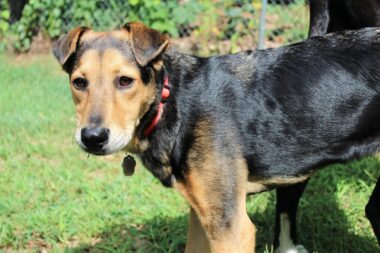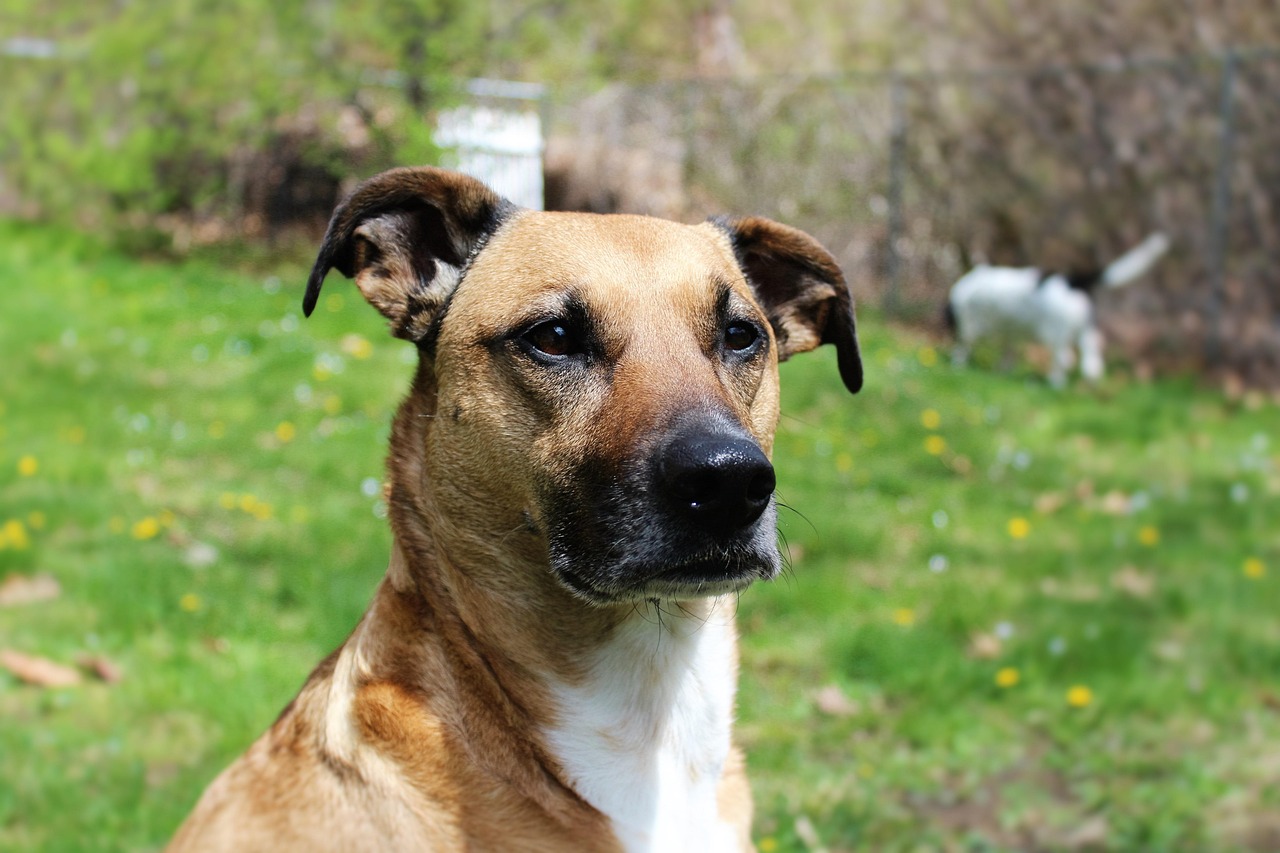

Editing Tips to Enhance Photos of Rescue Dogs
Photographing rescue dogs can be incredibly rewarding, but it also presents unique challenges. To ensure the best results, there are several editing tips you can utilize. First, consider enhancing the lighting in your photographs. Many rescue dogs may end up in dimly lit environments, making it crucial to brighten your images. You can use editing software like Adobe Lightroom or Photoshop for this task. Adjusting brightness levels can significantly improve the overall appearance of your photos, allowing for a clearer view of the dog’s features. Furthermore, be sure to contrast the colors in your images effectively. It helps the dog’s fur stand out, drawing attention to the animal. Fine-tuning the contrast can accentuate textures and details, making the image visually striking. Additionally, focus on cropping carefully, removing distractions that could detract from the dog’s presence. This helps viewers concentrate on the subject and enhances the dog’s personality. Ultimately, these editing techniques serve to highlight the beauty and character of rescue dogs within your photographs.
After working on lighting and contrast, it’s essential to consider enhancing the overall color balance of the photo. Many rescue dogs have unique fur patterns and colors that may not be accurately represented in the original image. Use editing tools to adjust color saturation and vibrancy, making the dog’s colors pop. The saturation slider can help bring out the natural beauty of the rescue dog, making it more visually appealing. You can also utilize the hue adjustments to ensure that the colors appear true to life. Remember that subtle changes go a long way, and you should avoid overdoing it, as this may create an unnatural look. Applying filters can also be a fun way to add creative flair to your photos. However, always prioritize the authenticity of the dog’s appearance in your editing process. Keep in mind the importance of authenticity to convey our canine friends’ true nature. Additionally, learn when not to use filters, as they can sometimes mask the dog’s unique traits and expressions. Striking a balance is crucial when working on your edits.
Focusing on Composition
In addition to adjusting colors, focusing on composition is vital when editing dog rescue photos. You should explore the rule of thirds when arranging your shots. This compositional rule suggests dividing the frame into a grid of nine equal sections, placing your subject at the intersections. This technique helps create a more balanced and engaging image. When composing your photograph, remember that less is often more; too many distractions can detract from the dog’s personality. Find interesting perspectives by experimenting with the camera angle. Get down to the dog’s level to achieve more intimate shots. This low-angle perspective often captures the dog’s eyes in a way that creates emotional connection with the viewer. Also, try to include the environment in a way that enhances the photo without overpowering the dog. Balance is essential in drawing attention to the rescue dog’s character while ensuring the background complements the subject. Ultimately, a thoughtfully composed photo tells a story about the dog, inviting viewers to learn more about these incredible animals.
Sharpening images during the editing process should be part of your toolkit for enhancing rescue dog photographs. Sharpening can improve the clarity of your images, emphasizing details like the dog’s facial features and fur texture. However, it’s crucial to use this feature sparingly, as over-sharpening can lead to unsightly artifacts. A slight increase in sharpening can make a significant difference without sacrificing quality. Additionally, having a clean background is essential to keeping the focus on the dog. Use tools within your editing software to blur or remove distracting elements in the background. By softening it, the dog will stand out effortlessly, making your photo more impactful. Special effects such as vignette can also be beneficial. This darkening of the corners of the image effectively draws the viewer’s eye toward the center while giving the photo a professional touch. When utilized properly, this technique adds depth to the image without detracting from the primary focus: the lovely rescue dog. These editing methods will contribute to enhancing not just individual images, but also your overall portfolio.
Utilizing Textures and Filters
One exciting aspect of editing rescue dog photos is incorporating texture and occasional filters. Textures can add depth and interest to an image, making it stand out among standard photos. You can achieve this by blending different layers within your photo editing software. Textured overlays can provide a more artistic flair, enhancing the emotional response from viewers. When adding these textures, ensure they complement the colors and details of the dog rather than overshadow them. Filters, when applied judiciously, can also transform a photograph while contributing warmth and emotion. Using vintage or sepia filters may reflect the dog’s journey and history. However, maintain a balance to ensure that the dog’s true colors and features are not compromised. As you become familiar with the editing process, experiment with various filters to discover the right ones for each photograph. Not only will this expand your creative repertoire, but it will also allow you to connect with potential adopters by showcasing the rescue dog’s personality uniquely.
Incorporating writing elements into your photos can also communicate the story of rescue dogs effectively. Adding text overlays can provide key information, connecting potential adopters to the dog’s background. Consider including the dog’s name, age, and a brief personality description near the bottom of the image. This added context can help people form an emotional bond with the rescue dog. Use a clear and legible font that is easy to read against the background of the photo. Choose contrasting colors that ensure your text is visible while maintaining the photograph’s aesthetics. Keeping it simple and straightforward encourages viewers to absorb the information quickly. Don’t forget to pay attention to the text placement, making sure it compliments, rather than distracts from the dog. Creating a balance between the text and the visual elements will lead to more impactful images. You will not only present beautiful photographs, but also convey messages of hope and love for rescue dogs. This storytelling approach can further inspire people to consider adopting a furry friend!
Final Thoughts on Editing
As you refine your editing skills, remember that the ultimate goal is to showcase the beauty and individuality of rescue dogs. Each edit contributes to the dogs’ stories, enabling their charm to shine through. Make sure to approach photo editing as an extension of your photography skills. As you develop a personal style, you will discover techniques that resonate with you and enhance your portfolio. Consider seeking feedback from fellow photographers, as they may offer valuable insights. Online communities often provide support, enabling you to evolve creatively. Equally, sharing your work can engage potential adopters and elevate awareness of rescue organizations. The combination of great photography and thoughtful editing will aid in conveying the essence of each dog, promoting kindness and compassion. Focus on creating striking images that not only attract attention but inspire action. Remember that every photo you edit does not just display a dog; it can spark interest in animal rescue. This awareness may lead to finding homes for these furry companions. So grab your camera, start snapping away, and let the editing journey begin!
Rescue dogs represent a beautiful chapter in the narrative of pet adoption. Editing these photos not only highlights their need for homes but also showcases their distinct personalities. As you refine your editing techniques, consider how each adjustment contributes to the dog’s story. Techniques such as enhancing colors, improving lighting, and incorporating unique textures can make these images stand out. Experiment with interesting compositional techniques, play with filters, and refine the details to ensure a polished final product. Every photo is part of a larger effort to depict the joys of adopting a rescue dog. When you share these images, engage with your audience in a way that genuinely reflects your love for this work. Timing plays a crucial role, too; during events or moments specific to rescue organizations, having compelling photographs can capture attention. Remember, every click of the shutter brings you closer to not just a great image, but a life-saving opportunity for a dog in need. Your contribution as a photographer can resonate with potential adopters in meaningful ways. Keep experimenting and refining your skills to make a lasting impact.