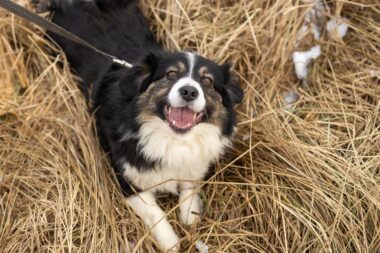

Expert Advice From Support Groups on Training Your Newly Adopted Dog
Adopting a dog is a heartwarming experience, but it comes with responsibilities, especially in training your furry friend. Support groups dedicated to post-adoption can be invaluable. They equip new owners with effective strategies to make training smoother. Understanding a dog’s unique personality is vital. Different breeds respond differently to training methods. A support group often shares collective experiences and insights. They can help you navigate challenges such as housebreaking and obedience training. Engaging with a group allows you to ask questions and receive practical tips. Additionally, making connections with other pet owners can ease the emotional stress during early days. Public forums, local meetups, or online communities are options available for support. Additionally, resources such as training classes organized by support groups can provide structured learning. Consistency is crucial in dog training. Utilizing various techniques within support groups may introduce you to new approaches. Moreover, having a community to lean on fosters motivation for both the pet owner and the dog. Never underestimate the power of community support in fostering a loving bond with your adopted dog.
Establishing a routine is a significant component of training a newly adopted dog. Support groups often emphasize the importance of consistency in activities, feeding, and potty breaks. Regular schedules help your dog feel secure in their new environment. This sense of security can lead to better cooperation during training sessions. Support groups provide a wealth of shared experiences that highlight effective routines tailored to various breeds. Taking advice from seasoned dog owners who have trodden the same path can be particularly beneficial. Tools such as calendars or apps may help track your pet’s progress. It’s about more than commands; it’s integration into your daily life. Therefore, timing is essential when introducing training commands and techniques. For instance, mornings might be best for teaching commands when both you and your dog are fresh. Similarly, evening walks can be great opportunities for behavioral training. Implementing these techniques is simpler when guided by seasoned members of your support group who can share personal stories. Encouragement from fellow members creates a reinforcement loop that benefits everyone. Thus, incorporating routine promotes a positive environment for growth during your dog’s training journey.
Effective Communication Techniques
Communication is fundamental to effective training and understanding between you and your new dog. Body language plays a crucial role here; dogs are particularly sensitive to the non-verbal cues of their owners. Experts from support groups advocate for harmonious communication strategies. Simple commands should be clear and consistent. During training, use a calm, assertive voice to convey commands. Positive reinforcement methods are widely discussed, as they increase a dog’s eagerness to respond. Treats, praise, and playtime serve as effective rewards. Support group members often share stories on how they have used these techniques successfully. It’s encouraging to see how different techniques foster distinct responses in various dogs. Understanding your dog’s reactions enhances your ability to communicate effectively. Discussing challenges with group members can lead to discovering alternative training methods that might work better. It’s essential to be patient; establishing effective communication takes time and practice. Engaging with your dog using various activities can strengthen this bond. Ultimately, committed owners who actively participate in their dog’s training through supportive communities foster deeper connections with their pets and a love for learning.
Socialization is another vital aspect highlighted by support groups. A well-socialized dog is typically more balanced and less anxious. Early socialization is critical, particularly during those first few months. Group meetings often serve as opportunities for safe interactions with other dogs and people. Participants might share insights on choosing the best environments for socializing. Parks, pet-friendly events, or even organized group outings can create positive experiences. Support group members frequently exchange stories about successful socialization encounters. These anecdotes can inspire new pet owners to step out of their comfort zones. Additionally, introducing new experiences gradually is key; rushing can overwhelm an adoptive dog. Dog parks provide first-rate environments for informal training in social skills. Observing experienced dogs can also help your pup learn how to behave. Support groups emphasize the importance of monitoring canine body language during socialization. Any signs of discomfort should lead to a quick retreat from the situation. It’s all about pacing the experience. The more positive interactions you provide, the more confidence your dog gains, leading to a happier, healthier animal, well-prepared for its new life with you.
Incorporating Play into Training
Using play as a training tool is widely endorsed by support groups. Dogs thrive on interaction, and games can be both enjoyable and educational. Integrating play into training encourages engagement and strengthens bonds. Members of these groups often recommend games like fetch, hide-and-seek, or tug-of-war, which can also reinforce commands. Playful training promotes a relaxed atmosphere, allowing dogs to learn without stress. Stories shared within these communities can offer creative ideas for incorporating fun into lessons. Furthermore, positive reinforcement through play can lead to lasting behavioral changes in your newly adopted pet. Dogs naturally love to please their owners, making this a win-win scenario. Regularly scheduled play breaks can also improve your dog’s overall behavior, especially in high-energy breeds. Training doesn’t have to feel like a chore; connecting fun elements will keep both you and your dog motivated. Engaging with other pet owners who enjoy similar activities helps in sharing new game ideas. The feedback and success stories from fellow members can enhance creativity in training methods. Consequently, incorporating play makes learning enjoyable while solidifying a love for training and leaves both owner and pup eager for more.
Training at home can be made easier with tips from support groups. Creating a stable environment promotes trust and comfort for your newly adopted dog. Members often share insights on establishing designated training areas, free from distractions. This environment helps the dog focus better and speeds up learning. It’s essential to set boundaries regarding where training happens within your home. Providing a consistent space aids in preventing confusion. Support groups frequently discuss the benefits of utilizing training aids such as clickers or designated toys. These tools can significantly enhance a dog’s responsiveness during training sessions. Real-life success tales offer inspiration and show what is achievable. Support group content frequently includes best practices for reinforcing positive behavior at home. Daily training sessions, even if brief, can yield significant advancements over time. Patience is paramount; training a dog is a gradual process that requires ongoing reinforcement. Connect with your support group to share progress and challenges. Celebrating victories, no matter how small, creates a sense of accomplishment. This collaborative spirit can motivate others during their training journeys. A supportive atmosphere will positively impact your dog’s development long after adoption.
The Role of Patience in Training
Patience is a virtue, especially in the context of training a newly adopted dog. Support group leaders often stress the importance of not rushing the training process. Each dog learns at its own pace, making it crucial for owners to adjust their expectations accordingly. Members frequently share their experiences dealing with setbacks and successes, reminding new owners that progress varies. Developing skills takes time, and celebrating small victories is essential. Training can often be frustrating when dogs don’t respond as expected. However, maintaining a patient attitude contributes positively to your dog’s learning curve. It fosters a spirit of understanding that leads to enhanced communication and trust. Support groups can provide encouragement during difficult times, offering practical methods to improve the training experience. Finding the right balance between perseverance and patience can lead to more effective training sessions. Regular participation in support discussions can reassure you that you are not alone in this endeavor. Observing consistent results encourages ongoing commitment to your dog’s training journey. Ultimately, cultivating patience not only benefits the dog but deepens the bond between you and your beloved companion, leading to a fulfilling relationship.
In conclusion, support groups play an indispensable role in training newly adopted dogs. They create a network of shared knowledge and experience among dog owners. Engaging with these communities provides both emotional and practical benefits. From tips on effective communication to insights on socialization, learning from experienced members enhances the training process. Establishing routines, incorporating play, and practicing patience are vital themes that emerge from these discussions. Each of these areas contributes to building a solid foundation for your dog’s growth. Whether it’s through workshops, group outings, or online resources, support groups help you navigate the journey of dog ownership with confidence. Sharing struggles and victories within the community fosters connection, growth, and encouragement. Ultimately, relationships formed in these groups create lasting memories and enrich the bond between owner and dog. Investing time in connecting with fellow dog owners not only aids your training journey but creates a supportive environment for all. Therefore, consider becoming an active member of a local or online support group. Your efforts will lead to a harmonious life with your new family member. You and your dog both deserve the best training and shared experiences.