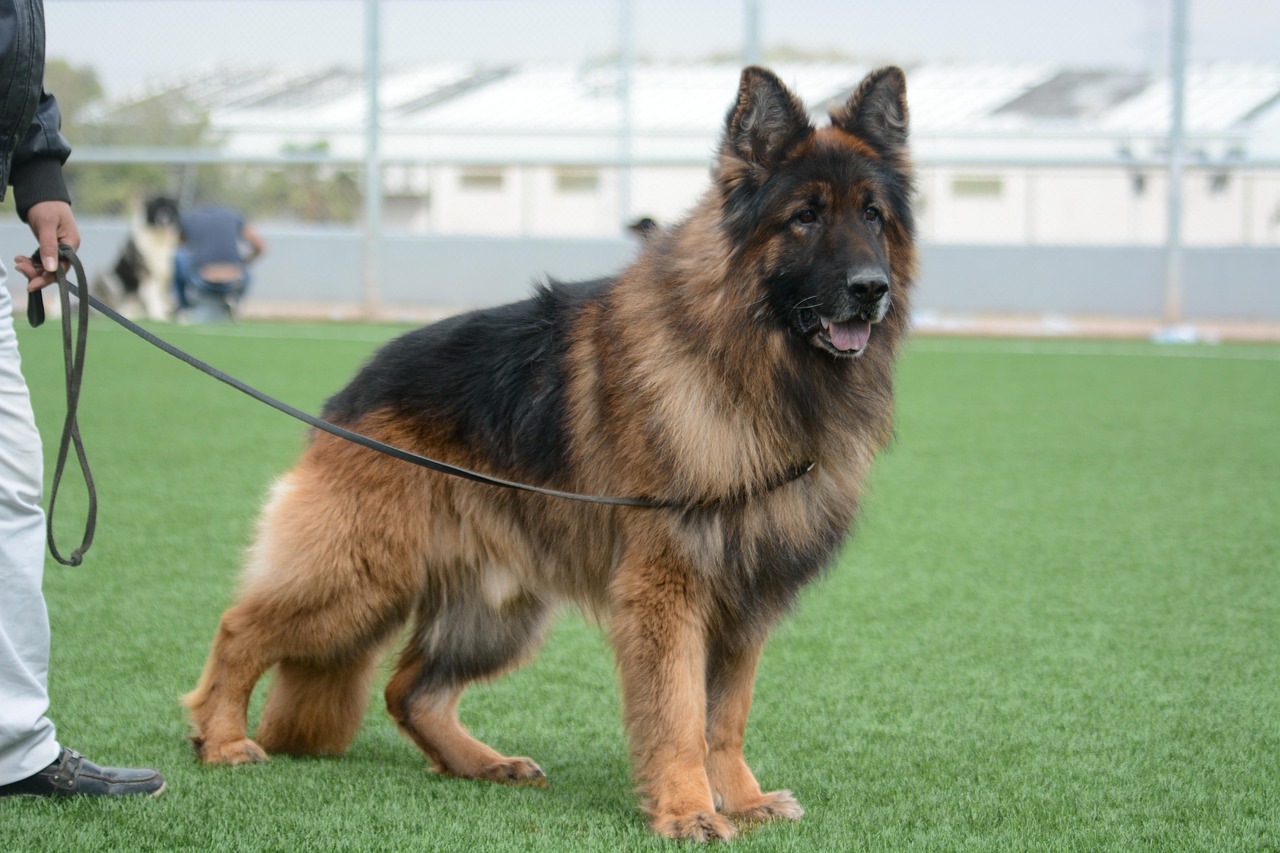

Addressing Fear and Anxiety in Leash Training
Leash training can often be a challenging experience for both dogs and their owners. Many dogs harbor fears and anxieties, which can stem from various factors like past experiences, genetics, or lack of socialization. To effectively address these issues, it’s essential to first identify the source of your dog’s anxiety. For example, if loud noises or crowded areas wind them up, creating a safe space where they feel secure is crucial. Begin leash training in a quiet and familiar environment before gradually introducing distractions. This will help build your dog’s confidence.
Another vital approach is the use of positive reinforcement, which significantly enhances the training process. Whenever your dog displays calm behavior while on the leash, reward them with treats, praise, or play. This technique helps create associations that counter their fears. Moreover, consistency is vital in training sessions. Try to practice leash training regularly, using the same commands and routines, so your dog can understand expectations better. Moreover, patience is essential. Rushed processes can lead to increased anxiety, further complicating training. Therefore, progress should be slow and steady.
Creating a positive environment can significantly reduce anxiety. Use calming aids like gentle music or aromatherapy products designed specifically for dogs, which can contribute positively to their training experience. Also, consider equipping your dog with a harness instead of a collar. Harnesses distribute pressure more evenly and can often feel more secure, reducing a dog’s anxiety. Additionally, the choice of leash plays a role. Opt for a lightweight, non-restrictive leash that allows for comfortable movement. This can enhance your dog’s confidence while walking.
Understanding Triggers and Solutions
Observing your dog’s behavior can provide insights into specific triggers causing their anxiety. For example, if they react negatively to other dogs or people passing by, identify the distance at which they still feel secure. Gradually reduce that distance over time while providing reassurance. Engage in desensitization techniques where you expose your dog to their triggers slowly. Start at a distance and reduce it as your dog gains confidence. Always reward them for calm behaviors during these exposures. Breaking the process into small, achievable steps is essential for effective and less stressful learning.
Another effective trick is to practice leash training in short sessions. Keeping training periods brief prevents overwhelming your dog, maintaining their focus. Try to incorporate leash training into everyday activities, such as walking from one room to another, to make it feel more natural. You may also incorporate fun games that encourage your dog to stay close while walking. Utilizing interactive training toys can perhaps distract anxious pups while walking. Furthermore, using a calming wrap can provide comfort to dogs during training sessions, helping them feel secure and relaxed.
Leash training should not only focus on walking but also include stopping, sitting, and staying on command. Implementing these commands in a distraction-free environment will help solidify basic training. When you progress to areas where distractions exist, practice your commands frequently. This builds a framework and reinforces safety behaviors in your dog. Provide enthusiastic praise and rewards for compliance through distractions. This will strengthen the bond between you and your dog while boosting their confidence in various environments. Create a supportive atmosphere that promotes positive learning experiences.
Importance of Socialization
Socialization is a crucial aspect that complements leash training and helps address fear and anxiety in dogs. Regular exposure to different environments, people, and other dogs will familiarize your dog with various situations and help reduce their anxiety levels. Start this process early, ideally taking puppies to puppy classes where they can interact with other dogs and people. If your dog is older and hasn’t been socialized, it’s never too late to start! Gradually expose them to new experiences at their own pace, ensuring that each encounter is positive.
In conclusion, while leash training presents challenges, approaching it with understanding, patience, and strategic methods significantly enhances the process. By identifying triggers, employing positive reinforcement, and creating a supportive atmosphere, you can effectively address your dog’s fears and anxieties. Remember that every dog is unique, so pay attention to their individual needs and respond accordingly. Train consistently, celebrate small victories, and maintain a positive attitude throughout the training journey. Over time, you and your dog will develop a healthier, happier, and less anxious relationship during leash walks.