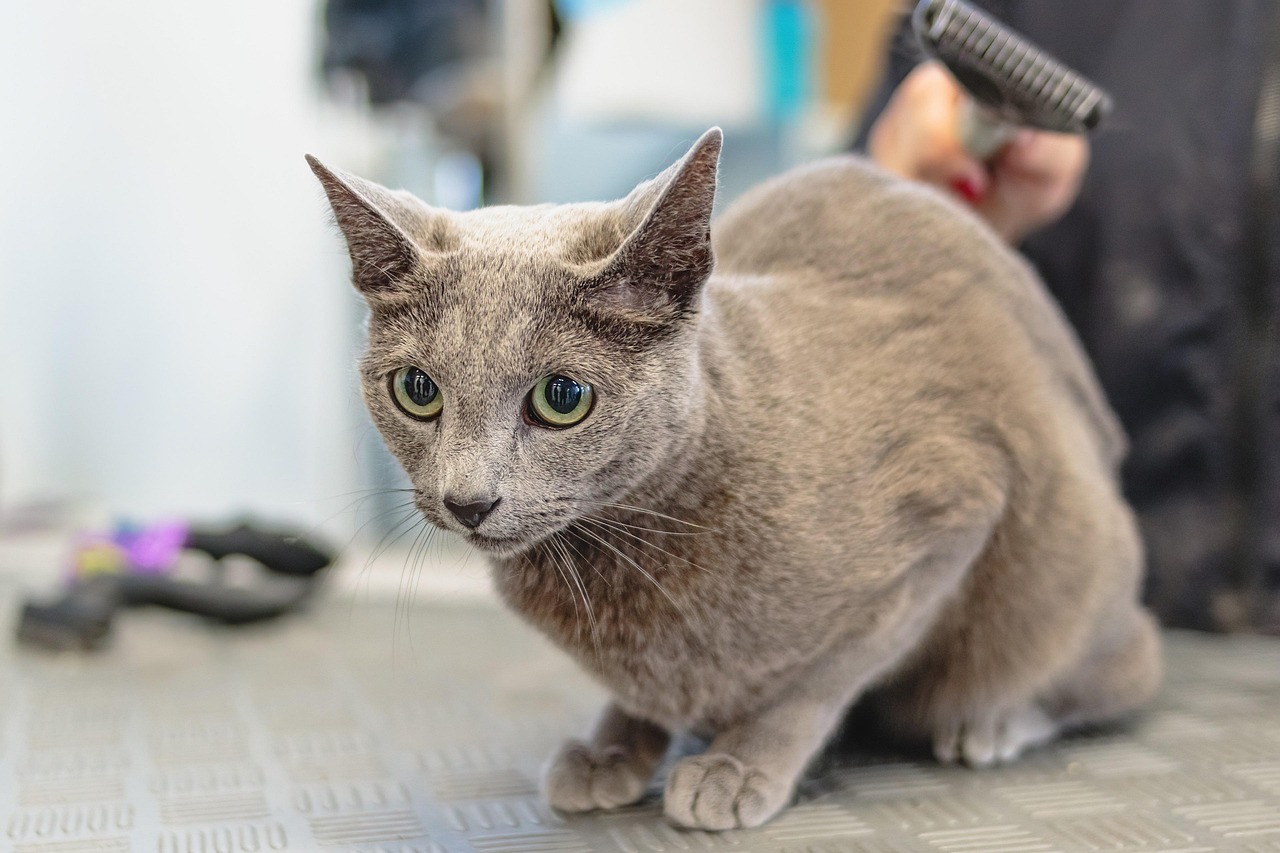

DIY Cat Grooming Tools That Help Fight Hairballs
As a cat parent, one of your top responsibilities is managing your furry friend’s health. Hairballs can be a common and uncomfortable issue for many feline companions. Fortunately, you can prevent hairballs effectively with the right grooming tools. This guide explores various DIY grooming tools that can be easily made at home, helping maintain your cat’s coat and overall well-being. Regular grooming reduces loose hair, which is a major contributor to hairballs. Tools like combs and brushes play a critical role, but alternatives can be just as effective. Consider using a simple rubber glove or sponge to gather loose fur gently while petting your cat. Additionally, constructing a makeshift grooming tool using household items can be both fun and beneficial. Often, common materials like old toothbrushes and dish scrubbers can help remove trapped hair, thus minimizing the likelihood of hairballs. Ensure the grooming experience is pleasant for your cat; a calm environment fosters relaxation and cooperation. This way, you bond with your cat while simultaneously keeping its fur under control and preventing the issues caused by hairballs.
Another effective method for reducing hairballs is through the use of homemade grooming solutions. A simple mix of coconut oil and a touch of olive oil can go a long way in aiding digestion and preventing hair from clumping in your cat’s stomach. You can offer a tiny amount on a spoon, ensuring it’s a treat rather than a regular meal replacement. By doing this, you help your cat develop a healthy grooming routine while potentially improving its coat quality and texture. Moreover, dietary adjustments can also contribute significantly to hairball prevention. Integrating high-fiber cat food or specialized hairball control cat food can help reduce hair retention. Always consult with your veterinarian to confirm the best dietary changes suited for your cat’s individual health needs. Remember to keep fresh water available to promote hydration and digestion. A well-hydrated cat is less likely to suffer from hairball issues. Use this opportunity to create a routine that combines grooming, diet, and hydration in an enjoyable manner. Engaging your cat in activities promotes their happiness, ultimately leading to better grooming habits and less frequent hairball occurrences.
Use of Natural Ingredients
Natural ingredients provide a great solution to many grooming-related challenges, particularly hairball prevention. Consider creating a natural grooming spray using herbal infusions. Cat-friendly herbs like catnip or chamomile can help soothe your kitty while also keeping their coat smooth. To make the spray, steep the herbs in boiling water, allow cooling, then pour it into a spray bottle. Lightly mist your cat’s fur during brushing sessions to create a relaxing environment. Additionally, a homemade grooming tool based on natural materials may aid your efforts. For example, a brush made from natural bristles or bamboo can be effective and environmentally friendly. You can repurpose an old toothbrush, but ensure it’s specifically set aside for this purpose to avoid contamination and hygiene issues. Keep your grooming area tidy with easy access to your homemade tools for both you and your kitty’s comfort. Regular use of these natural solutions will provide your cat with a soothing experience, enhancing the bond between you two while reducing hairball incidents significantly. You might find that incorporating natural tools becomes second nature, promoting a consistent grooming routine you’ll both adore.
Another worthwhile DIY grooming tool is an adhesive lint roller. These are handy for collecting hair from clothes and surfaces, but they can also be a good way for preventing hairballs in your cat. Simply brush your kitty with a lint roller to remove loose fur before it can be ingested. It’s effective and straightforward to build one by attaching sticky tape around a cylindrical object. Using this method, the fur can be easily collected, eliminating a significant portion of the hair that would typically be swallowed during grooming sessions. Make sure your cat gets accustomed to this tool; gently introduce it so they feel comforted instead of anxious. Ensuring your cat remains relaxed during grooming is essential to its overall well-being. In addition to these DIY tools, maintaining a playful environment is crucial for your cat’s happiness. Providing toys that encourage playtime can further reduce shedding as your cat stays active. The right combination of creative tools and playful activities effectively manages your cat’s coat, ensuring hairballs are kept at bay. With patience and practice, these tips will contribute to a healthier and happier feline friend.
Maintain Consistency
Maintaining consistency with grooming is crucial to the efficacy of your methods and your cat’s comfort level. Establishing a routine helps your feline friend adapt and lowers stress during grooming sessions. Try to designate a specific time in your schedule each week dedicated to cat grooming. It can be once a week for long-haired cats, while short-haired cats might require less frequent attention. Explore different tools and techniques until you find the right approach that suits both your grooming needs and your cat’s preferences. Consider utilizing a variety of tools, such as rubber brushes, combs, and even your hands, to see which comes most naturally to your kitty. Always be gentle, as aggressive brushing can deter your cat from future grooming sessions. Create a safe space with cozy blankets, offering treats or engaging in their favorite activities before or after grooming. This positive reinforcement enhances their experience while fostering a trustful relationship. Ultimately, sticking to a consistent grooming schedule effectively reduces hairballs while ensuring your cat’s coat remains healthy, lustrous, and well-maintained over time.
In conclusion, utilizing DIY grooming tools can greatly assist in preventing hairballs in your cat. Engaging in creative grooming methods not only helps mitigate potential health issues associated with hairballs but also strengthens the bond between you and your pet. It’s important to remember that while using these tools, your cat’s comfort and enjoyment should remain a top priority. Routine and consistent grooming will ensure that your furry friend feels relaxed during these grooming sessions. Lastly, combining these techniques with a proper diet and hydration can lead to fewer hairballs and a healthier, happier cat. Encourage your cat to play and exercise regularly, which contributes to releasing excess energy and thus reducing the chances of ingestion of loose hair. Following this guidance will surely enhance your experience as a cat parent. By investing time and effort into these DIY grooming solutions, you foster a loving environment that prioritizes your cat’s well-being. Implementing these practices consistently creates a grooming regimen that provides long-lasting benefits while nurturing a lifelong bond with your cherished feline companion.
Finally, embrace the joy of grooming as part of your routine with your feline friend. Use these DIY tools to create a friendly and productive grooming environment that both of you will enjoy. With patience, creativity, and respect for your cat’s feelings, you can make grooming a positive experience. Experiment with various techniques and tools to determine what suits your cat best. Share your experiences with other cat parents and learn from theirs; the cat community often shares valuable insights. This will help you enhance your skills and discover additional creative solutions tailored to your cat’s needs. Remember, every cat is unique, so take the time to understand what your furry companion enjoys most. Incorporating grooming into bonding sessions not only reduces hairballs but also enriches your relationship. In turn, you are fostering a loving and calm atmosphere for your cat. By taking these extra steps, you ensure a healthier lifestyle that prevents the stress and bother that hairballs can cause. Commit to this new grooming routine, and you will likely notice significant improvements in your cat’s coat and overall happiness over time.
In addition, keeping an eye on your cat’s shedding patterns will help you adjust your grooming frequency accordingly. If you notice increased shedding, it might be time to step up your grooming sessions. Seasonal changes may also affect the amount of fur your cat loses, which makes it beneficial to adjust routines based on those patterns as needed. Using tools like brushes and combs effectively during these peak shedding periods will help manage and minimize hairballs considerably. Establish a dialogue with your veterinarian about best practices and any unique considerations for your kitty’s breed or health condition. Furthermore, share your grooming journey with other cat owners online or in person, and find support in community groups dedicated to feline care. Sharing tips and tricks can lead to discovering even better ways to combat hairballs and improve grooming experiences. Remember, consistency is key, and cultivating these positive habits will ensure your cat’s health, happiness, and comfort. With conscious effort, you can transform the grooming ritual into a delightful process for both of you.