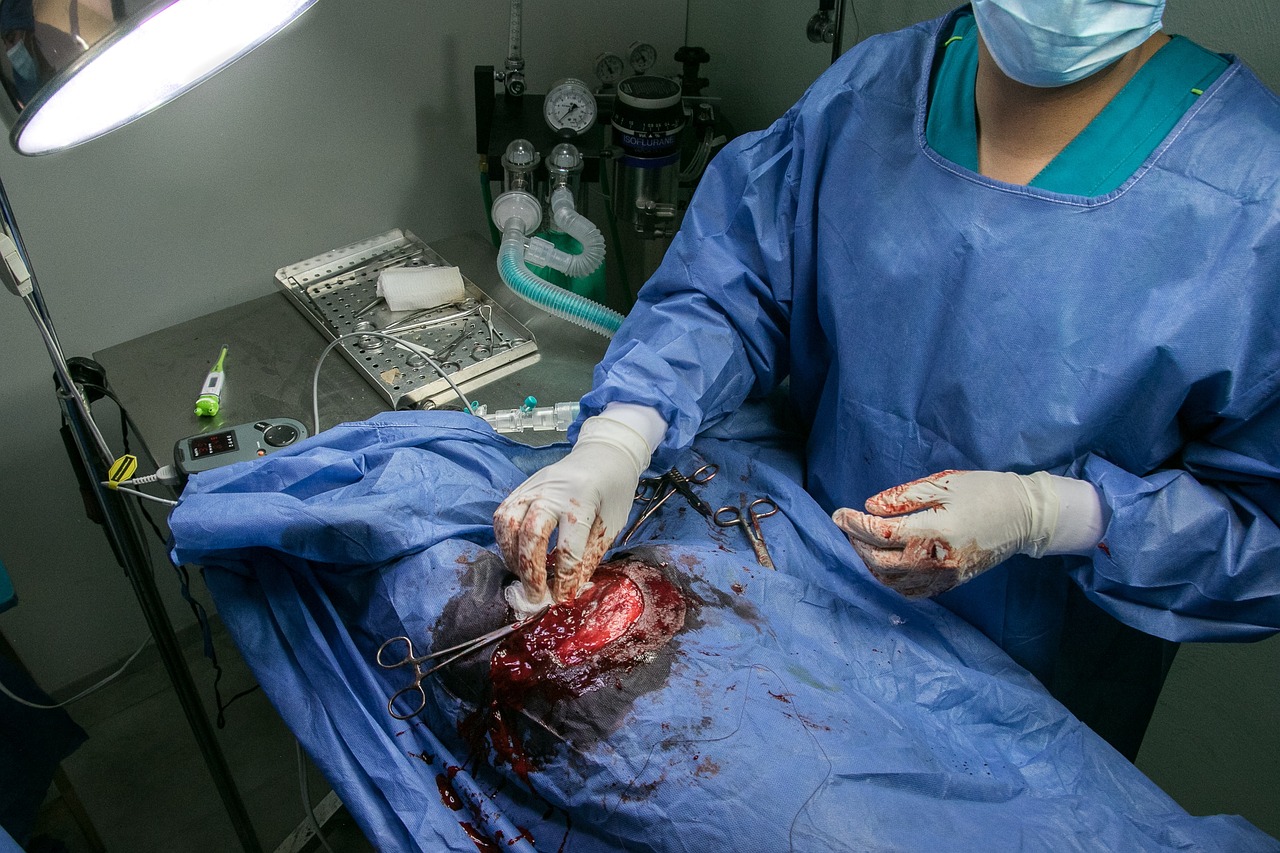

Signs of Recurrence: Monitoring Your Dog After Mast Cell Tumor Treatment
After treatment for mast cell tumors, it is crucial to monitor your dog diligently for any signs of recurrence. These tumors could return in the same location or manifest elsewhere in the body. Regular check-ups with your veterinarian and observing your dog closely at home can help in detecting any potential issues early. One of the key signs to observe is changes in skin lesions or the appearance of new lumps. Be on the lookout for hard nodules or swelling, as these may indicate the return of tumors. Additionally, monitor your dog’s behavior and activity levels; lethargy or loss of appetite can be subtle signs of discomfort or illness. Another critical aspect of monitoring involves keeping an eye on your dog’s gastrointestinal health, as mast cell tumors can cause digestive disturbances. Maintain a detailed log of any changes you notice. This will assist your veterinarian in understanding your dog’s condition better. Although not all changes will signify a tumor recurrence, being vigilant can enhance your dog’s overall health and well-being.
Understanding Symptoms and Signs
Recognizing the signs of mast cell tumor recurrence can be challenging yet vital. Apart from skin changes, there are other symptoms you should be aware of. For instance, gastrointestinal symptoms like vomiting, diarrhea, or changes in stool quality frequently indicate underlying issues. Tumors can influence the stomach as mast cells release histamines, affecting digestion. Additionally, excessive scratching or chewing at the skin sores should not be overlooked; these behaviors might indicate discomfort due to tumors or other skin conditions. If your dog shows signs of pain, such as whining, reluctance to move or respond, this should trigger an immediate consultation with your veterinarian. Forms of discomfort might be challenging to interpret, so your instincts as a pet owner play a crucial role in identifying these symptoms. Always consider environmental factors, such as any recent dietary changes or exposure to allergens, which could exacerbate symptoms. Engage in open discussions with your vet regarding any concerning observations. By being informed and proactive, you afford your dog the best chance of maintaining their quality of life.
Regular follow-up appointments are crucial in the post-treatment phase. Following your dog’s mast cell tumor treatment, your veterinarian will likely schedule veterinary visits to monitor recovery closely. These examinations can help in evaluating the effectiveness of the treatment received and spotting any signs of recurrence. During these follow-ups, your vet may recommend blood tests or imaging scans like X-rays or ultrasound, depending on your dog’s individual circumstances. These diagnostics can reveal recurrence before any physical manifestations are noticeable to you. Be prepared to provide your vet with a summary of your observations since the previous visit. Physical examinations are not just inspections but also offer vital insights into your dog’s overall health. Your vet will likely assess any lumps or bumps, check for abdominal discomfort, and look for other signs such as weight changes. Following a structured follow-up plan significantly impacts recovery and early detection of new tumors. Consider keeping a journal that outlines all vet appointments, tests conducted, and observations you’ve made about your dog’s condition to facilitate meaningful discussions during visits.
Nutrition plays a key role in supporting your dog’s recovery. After mast cell tumor treatment, adjusting your dog’s diet can aid in enhancing their immune system. Incorporating high-quality ingredients, including lean proteins, healthy fats, fruits, and vegetables, will contribute to overall health. Omega-3 fatty acids, found in fish and certain plants, are particularly beneficial; they support the immune response and can help reduce inflammation. Consulting with your veterinarian about dietary supplements or special diets may also be wise; they might recommend specific food or supplements to boost your dog’s recovery. Moreover, consider their weight management to prevent obesity, which could complicate health issues. Additionally, ensuring your dog stays hydrated is crucial; always provide fresh water. Introduce new foods gradually to observe how your dog tolerates them, keeping a close watch for any adverse reactions. Well-nourished dogs have better healing capabilities and are more resistant to infections and diseases. Collaborate with your vet to develop a comprehensive nutrition plan that addresses post-treatment recovery while prioritizing your dog’s individual health needs.
Emotional Well-Being and Recovery
The emotional well-being of your dog should also be prioritized following mast cell tumor treatment. Cancer can result in significant stress and anxiety, which can hinder recovery. Ensure that your dog continues to receive plenty of love and companionship. Spending quality time and maintaining a routine can assist in alleviating their stress levels. If your dog exhibits signs of anxiety, such as excessive barking or destructive behavior, consult your veterinarian for support and potential coping strategies. Activities like gentle play sessions, massages, or quiet time can enhance their emotional health. Enrich their environment with stimulating toys that provide mental engagement. Regular exercise, tailored to their ability, is equally important. Activities should be balanced, allowing for periods of rest and relaxation. A calm and loving household can greatly influence healing. Additionally, consider utilizing training techniques or calming aids to help your dog cope with anxiety. Every dog responds differently, so paying attention to your pet’s cues will guide you in offering the emotional support they need during this sensitive phase.
Maintaining open communication with your veterinarian is crucial for a successful monitoring plan. Keep them updated about any changes you notice in your dog’s health. Your vet can offer guidance and insights based on the latest developments in veterinary oncology. Attend every scheduled follow-up appointment and don’t hesitate to reach out between visits if you observe troubling symptoms. Make a list of questions or concerns you have before each appointment; this ensures you cover essential topics. Your vet’s expertise is invaluable in formulating a comprehensive monitoring strategy tailored to your dog’s unique situation. Additionally, consider joining pet owner support groups for those whose dogs have undergone similar experiences. Having a network can provide emotional support and valuable shared knowledge. Explore forums, local meet-ups, or online communities to connect with others. They may have experienced similar concerns and can offer suggestions that have worked for them. By actively participating in your dog’s health care, you empower both your pet and yourself to be proactive in the management of their well-being.
In conclusion, being vigilant after mast cell tumor treatment is essential for your dog’s health and happiness. Regular monitoring, combined with a nutritious diet and emotional support, can lay the groundwork for a successful recovery. Ensure you are observant about symptoms and communicate effectively with your veterinarian. Emotional well-being is just as critical as physical health, so prioritize creating a nurturing environment. By keeping an eye on follow-up appointments and being proactive about dietary changes, you significantly influence your dog’s quality of life. Use this time to strengthen the bond you share with your canine companion, as they will thrive in a supportive atmosphere. Caring for a dog who has had a mast cell tumor is challenging, but with a proactive approach, you can enhance their post-treatment journey. Collaborate with your vet and stay informed on the latest treatment advancements. Your engagement in their recovery process is vital both for your dog and as an owner. Remember that each dog is unique, requiring personalized plans based on specific needs and responses to recovery efforts.