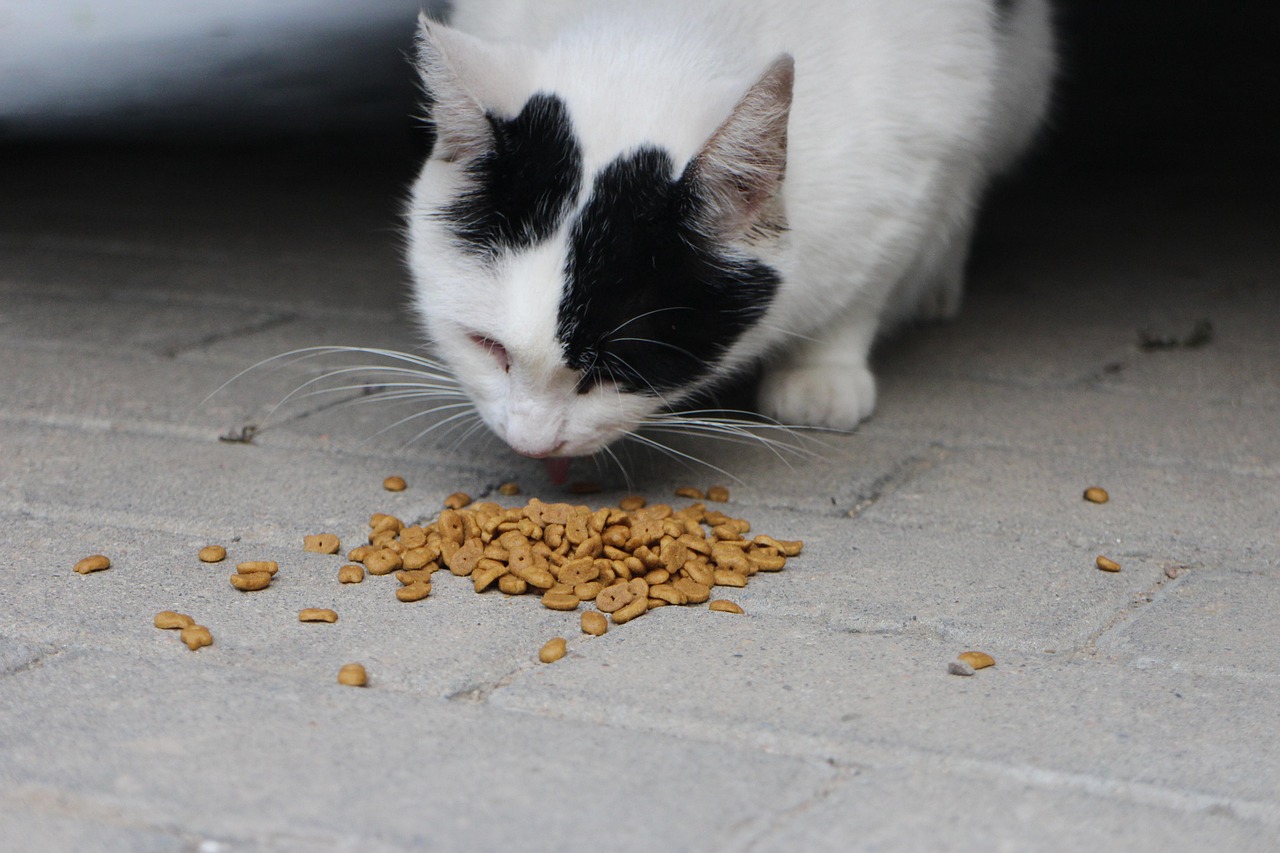

How to Secure Your Pantry and Kitchen From Food-Stealing Cats
Managing a cat’s food theft behavior starts with understanding feline instincts. Cats are natural hunters, so they tend to seek food wherever they can find it. You can play a proactive role by implementing thoughtful strategies that prevent them from exploring forbidden areas. First, consider how accessible your pantry and kitchen are to your cat. Ensure that cabinets and drawers are securely closed. Use child-proof locks to make it harder for your furry companions to access food sources directly. Training your cat to stay out of these areas can take time but will pay off. Positive reinforcement works wonderfully; reward your cat with treats or praise when they stay away from the pantry. Creating a designated feeding area for your cat and establishing rules about where they can and cannot go will aid in curbing this behavior. With dedication and persistent effort, you will succeed in creating an environment that is safe yet enjoyable for your feline friend; keeping food theft under control ultimately leads to happier and healthier cats. Explore various techniques to ensure your kitchen remains a theft-free zone.
In addition to preventing access to food, another effective way to deter cats is to develop distractions. Investing in interactive toys is one strategy you can implement. These toys stimulate your cat mentally, encouraging them to engage and play, rather than focus on stealing food. Look for puzzle feeders or other food-dispensing toys. These not only keep your cat occupied, but they also promote healthy eating habits by encouraging them to work for their food. Another suggestion is to use catnip or pheromone diffusers to nurture a calm environment. Cats may seek out food when they are bored or stressed, so providing them with activities will alleviate this problem. Install cat trees or scratching posts in your home, allowing them a safe outlet for energy. You could even dedicate time each day to play and engage with your furry friend. Keeping their attention away from your kitchen will significantly reduce the temptation to steal food. Providing an enriched atmosphere is essential in maintaining a content and satisfied kitty while minimizing their opportunistic tendencies. Remember, happy cats are less likely to look for trouble!
Securing Your Kitchen Environment
It is essential to create an environment in your kitchen that minimizes the risk of food theft. Start by storing food in airtight containers. Not only do these containers preserve freshness, they also prevent your cat from getting to the food easily. Padded kitchen counters should also be minimized; try to keep countertops clear of food and other tempting items when not in use. Use storage solutions that are tall or enclosed to prevent your cat from reaching them. Placing shelves high up can deter curious kitty paws from stealing food. If necessary, place baby gates at strategic locations to section off areas of the kitchen. Keeping trash cans out of reach or investing in cat-proof designs will also be beneficial. Regular cleaning and maintenance will ensure that all food items are properly stored and inaccessible. You should carry out an assessment of what attracts your cat to the kitchen, then take steps to eliminate potential opportunities. Implementing these solutions creates a safer kitchen environment, making it harder for your mischievous cat to find a way to snatch your snacks!
Training your cat to develop positive habits takes dedicated effort and time. Establish a routine that includes feeding your cat at specific times during the day. When you do so consistently, your cat will learn not to associate your presence in the kitchen with food availability outside their meal timings. During these routines, use verbal commands and rewards to reinforce positive behavior. If your cat approaches the pantry while you’re cooking, firmly but gently redirect their attention to their designated resting area. Consistent discipline eliminates any confusing cues about food stealing. Studies show that incorporating a structured feeding schedule results in lower food-stealing incidents. Enjoyment during feeding times can also enhance their spirits, leading to a more satisfied feline. Cueing them with engaging phrases, such as “dinner time,” creates anticipation. Always ensure a calm atmosphere while feeding, as anxious moments may lead to searching for food elsewhere. Cats thrive on repetition; sticking to a plan helps them understand precisely what to expect. A consistent approach will ultimately lead to a well-behaved kitty and fewer kitchen disturbances.
Employing Deterrents to Curb Theft
If your efforts to safeguard your food items aren’t providing satisfactory results, employing deterrents can help. There are numerous tasty yet safe options available to keep your cat’s paws away from food. For instance, sprinkle citrus peels such as orange or lemon near areas you want to protect. Cats naturally dislike these scents. Additionally, consider using some pet-safe and non-toxic deterrent sprays that can zest up your kitchen environment. Invest in motion-sensor devices that emit harmless sounds when a cat approaches forbidden zones. This provides an immediate cue for them to turn back. Using strategic sounds can catch their attention and help them associate the noise with trespassing. Other practical options include double-sided tape or aluminum foil, which cats dislike stepping on, especially when placed around counters. Utilizing these barriers ensures a safe zone for your food. Additionally, consider placing natural deterrents, such as certain herbs like rosemary or lavender that could repel cats. Utilizing a combination of deterrents offers a solid approach to keeping your food safe while ensuring a comfortable home.
Another prime consideration in addressing food-stealing behavior is ensuring your cat receives appropriate nutrition and exercise. Monitor their diet and adjust it based on their specific needs. An under-fed or poorly nourished cat may be more prone to stealing food out of desperation. Understand their dietary requirements by consulting with your veterinarian, ensuring that they receive all the essential nutrients they need for a healthy life. Furthermore, incorporating playtime and encouraging exercise can reduce the urge to seek food elsewhere considerably. Investing time in interactive toys or climbing trees means they will be less inclined to sneak around its surroundings. Try to spend at least 20 minutes per day engaging in stimulating activities that allow your cat to burn off energy. Activities could include chasing a feather toy or racing after a laser pointer, as these mimic hunting instincts and provide great physical activity. By addressing nutrition and incorporating exercise, you substantially reduce the likelihood of food stealing behaviors while increasing overall well-being. A well-fed and entertained feline will find satisfaction elsewhere other than rummaging through your pantry or kitchen.
Conclusion: Building a Better Relationship
In conclusion, keeping your pantry and kitchen safe from food-stealing cats revolves around understanding the feline psyche and creating a balanced environment. Using various techniques from training to distractions helps in forming a relationship built on trust and respect. Secure your food storage, adopt effective deterrents, and engage your cat with regular play sessions and nutrition. This structured approach allows you to enjoy your kitchen and pantry fearlessly, knowing your food is safe. Cats are intelligent creatures, and consistent training paired with a stable environment makes a significant difference in their behavior regarding food. This process may take patience, but the result is rewarding. You will notice fewer theft attempts, a healthier and more content cat, and a happier home overall. Understanding your cat’s instincts and needs creates a bond that fosters security and play. Building your relationship with your pet requires time and effort, but the pay-off in living harmoniously will always be worth it. Work with persistence and love to ensure beneficial results, leading to a peaceful coexistence with your furry companion!
For additional tips and resources, check out pet guide websites or consult professionals that specialize in feline behavior.