
Overcoming Fear: Helping Your Dog Feel Comfortable Jumping
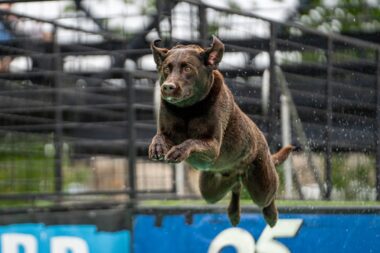
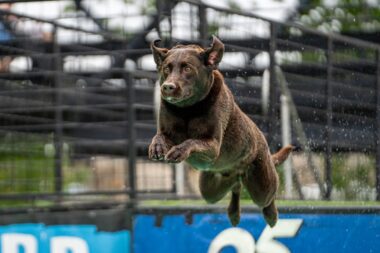
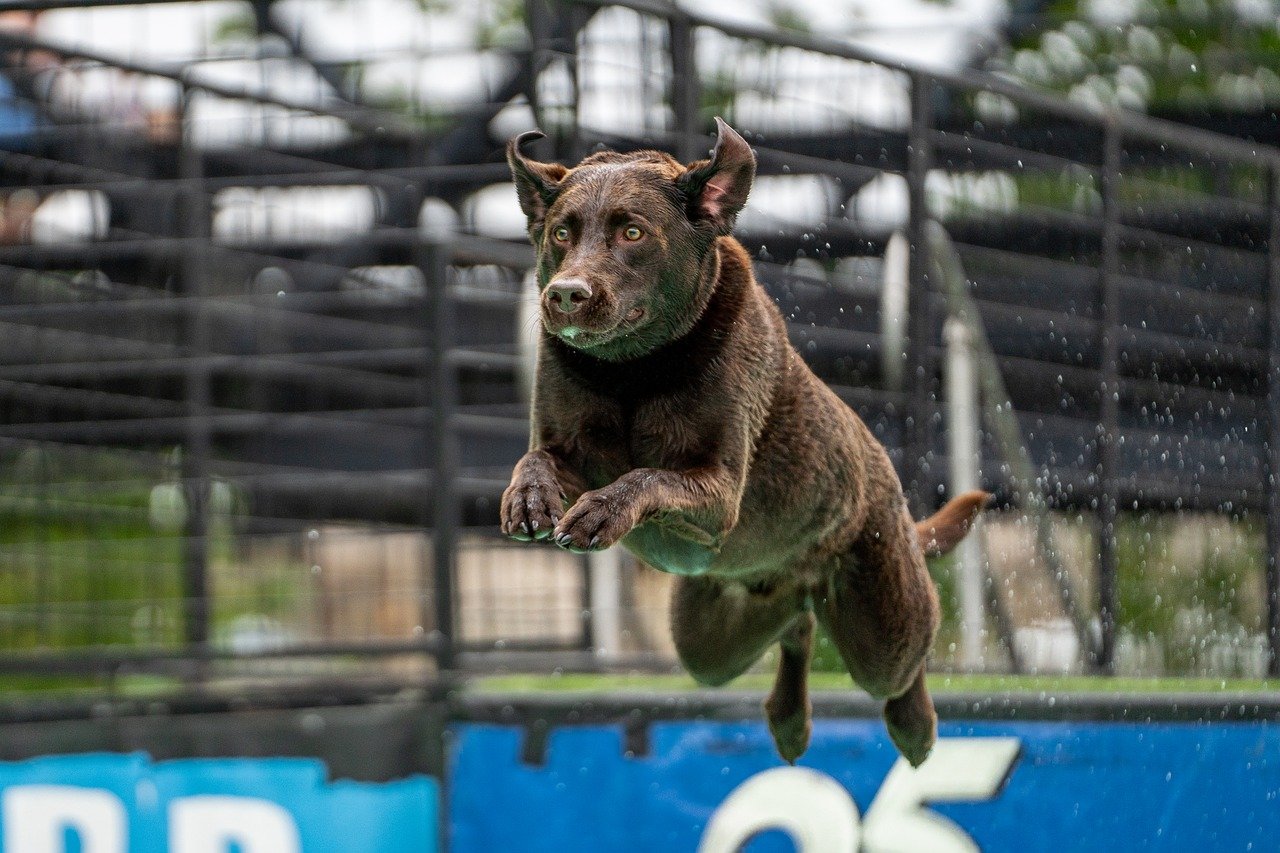
Many dogs experience fear when it comes to jumping, which can stem from a variety of factors. It’s essential to address this issue effectively to ensure that your beloved pet feels safe and secure. The first step is to identify the source of fear. Common triggers include past traumatic experiences, lack of exposure to jumping, or intimidating heights. Start by creating a positive environment where jumping is associated with fun and rewards. You can do this by using colorful toys, treats, and engaging activities. In the beginning, it’s crucial to introduce small objects that your dog can confidently leap over. For instance, a soft low hurdle can serve as an excellent starting point. Always use encouraging tones and praises during training sessions, as pitiful voices may inadvertently reinforce anxiety. Moreover, consistency in training routines will help your dog build trust and confidence. Be patient, as overcoming fear takes time, and understanding your dog’s body language can make a significant difference in their training. Thus, pay attention to their signals while ensuring the process remains playful and enjoyable.
Once you’ve established a positive atmosphere for jumping, practicing short sessions is crucial. Dogs respond best to training in small, manageable formats. Overloading them with long sessions may enhance anxiety instead of alleviating it. Aim to keep each training time around 5 to 10 minutes, gradually increasing complexity as they adjust. Make sure to reward your dog for each brave attempt, whether successful or not. Reinforce their efforts with tasty treats or enthusiastic praise after every leap. Additionally, setting up a specific area for training can create a strong association, signaling it as a safe space for jumping practice. Incorporate different objects for your dog to jump over, such as agility tunnels or small cones, while remaining mindful of their comfort levels. Always ensure that the training zones are free of distractions that might amplify fear. Having a familiar friend or family member present during training can also provide emotional support. With repetition and consistency, your dog will learn that jumping can be an enjoyable activity rather than a frightening ordeal. Celebrate all milestones together, making it a positive journey for both of you.
Encouraging Progress and Building Confidence
When training your dog to jump, tracking their progress is vital for motivation. Setting clear, achievable goals will help you recognize your dog’s improvements over time. For example, start with low jumps and gradually raise the bar as your dog gains confidence. Make sure to celebrate milestones, no matter how small, as recognition creates a sense of accomplishment. Document your sessions through photos or notes to visualize their development. Each time your dog successfully jumps, allow them to bask in your praise. Positive reinforcement should be immediate to create a solid connection between effort and reward. Moreover, practicing various jump types prevents monotony from setting in, ensuring your dog remains engaged. Try variations like jumping forward, backward, or sideways. Also, vary the environments where you conduct training—from familiar backyards to new parks—to build versatility in your pet’s ability to tackle challenges. Surrounding your pup with positive influences will pave the way to help them embrace jumping. Boost their enthusiasm with fun games that employ jumping. The combination of diverse exercises and rewards plays a pivotal role in enhancing your dog’s confidence during jumping exercises.
Another factor to consider in overcoming your dog’s fear of jumping is thorough desensitization. Gradually exposing your dog to different jumping scenarios helps them adapt without overwhelming them. Start by allowing them to inspect and familiarize themselves with low jumps or obstacles. Let them approach the objects at their own pace, ensuring that they remain comfortable. As they explore, maintain a calm demeanor yourself; dogs often mirror their owner’s emotions. The less nervous you appear, the more secure they will feel. Use plush or friendly-looking items to create a non-threatening environment. Additionally, incorporating play in their training will encourage exploration; toss toys over jumps to lure them in a fun way. Prioritize their comfort, but also challenge them gently to foster growth. As your dog becomes more accustomed to the different jumping scenarios, include a variety of surfaces—grass, sand, or carpet. This exposure will further alleviate their fear while establishing a familiarity with the act of jumping. Always allow breaks as needed; pushing boundaries too quickly may bring back anxiety. Patience paired with encouragement is key to helping your dog not only enjoy jumping but also consider it an exciting activity.
Building Trust Through Positive Experiences
Another vital aspect of helping your dog overcome fear is building a solid trust bond. Establishing a reliable connection helps foster a sense of security. Utilize daily activities—such as grooming, feeding, or simply playing together—to strengthen your relationship. Allowing your pup to rely on you creates an atmosphere conducive to comfort when attempting new challenges like jumping. Training sessions can be made enjoyable through the incorporation of games. For instance, alternating between jumping and fetch makes practice less monotonous and more engaging. Dogs respond positively to their owner’s cheerful demeanor, and the joy of play motivates them to overcome their fears. Be attentive to your dog’s comfort levels during sessions; if they appear hesitant, take a step back and reassess the approach. Focus on creating enjoyable experiences that make them want to jump. Additionally, including family members in the training process can create a supportive network and bolster their confidence. Encouragement from multiple sources can significantly enhance your dog’s morale. Before long, these collective experiences will yield a dog that is not only willing to jump but excited to do so.
Moreover, consider participating in agility training classes or dog sports; these provide structured learning environments promoting confidence and enjoyment. Such classes often foster socialization, which is essential for fearful dogs. They expose dogs to various heights and surfaces, along with facilitating interactions with other dogs. Ensure that the class environment is positive and supportive, encouraging all participants to progress at their own pace. Look for instructors who understand both agility and fear-based training techniques. Positive experiences during these classes will transform your dog’s perception of jumping into a fun activity rather than a daunting task. Furthermore, be diligent in reinforcing their accomplishments during the process. You can document and evaluate their progress, which can become vital reference points for setting future goals. Celebrate small victories together, as these will gradually change their mindset. Eventually, through consistent encouragement and exposure, your dog will learn that jumping is enjoyable, promoting self-confidence and resilience. Always remember to keep the sessions upbeat; the enthusiasm is infectious and encourages your dog to thrive. You both will celebrate your bond and provide rewards in the form of fun times together.
Conclusion: Celebrating Achievements
Finally, recognizing your dog’s achievements in overcoming fear and mastering the jump command is crucial for both of you. Celebrate every win during training sessions, whether big or small; dog training is not just about the final outcome, but also the journey of learning. Acknowledge the dedication of effort your dog exudes; this strengthens the bond and motivates further progress. You can organize small competitions in your backyard to add excitement to the training regimen. Invite friends and their dogs to create a friendly challenge where everyone gets to participate—transforming a daunting task into a social event. Moreover, share your experiences on social media to inspire fellow dog owners facing similar challenges. Documenting these milestones for your dog will highlight their remarkable transformation. These experiences will lead to eye-opening personal connections while reinforcing your relationship. Trust that every dog can learn to love jumping with the right approach, guidance, and support. Keep their goals in mind, and together, you will navigate the journey of leaning with celebration. Overcoming fear leads to growth, making it a cherished experience for both you and your dog.
Indeed, by taking it step by step and ensuring that you and your dog enjoy every moment, jumping can be a beautiful shared experience. Patience and encouragement will be the backbone of the process, guiding your dog throughout their fears and anxieties. Besides, remember that every dog has a unique personality and may respond differently to your training efforts. Tailoring your approach to suit their specific needs will yield better and matured results. So, cherish each tap of a paw over a jump and every wagging tail; they indicate your dog growing in confidence and adaptation. With time, not only will your dog master the jump command, but also embrace it with excitement and enthusiasm. Your relationship, strengthened by mutual trust and love, will pave the way for successfully overcoming challenges together. Continue providing support, respect their boundaries while pushing for gentle advancement, and you’ll discover that your furry friend can indeed soar to new heights.