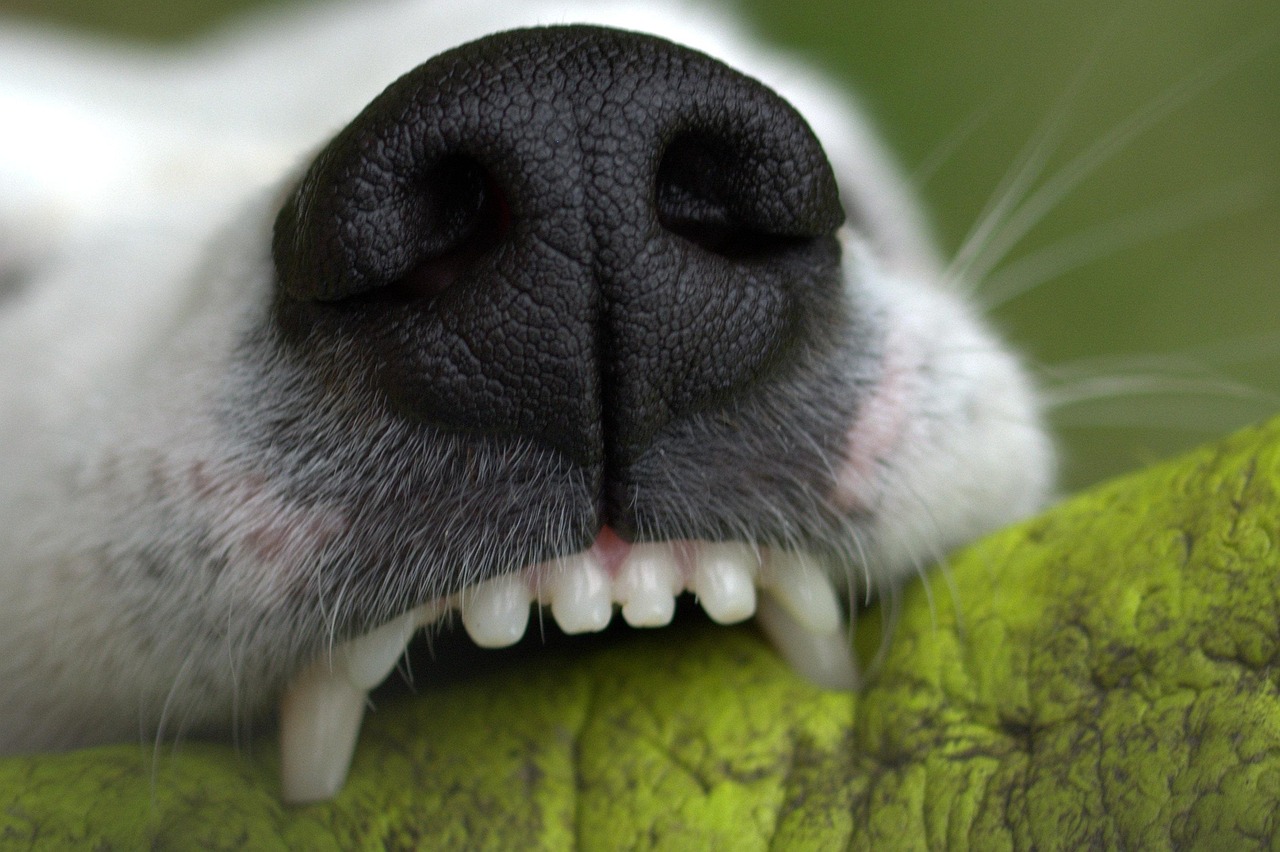

How to Teach Your Dog Bite Inhibition from Puppyhood
Teaching your dog bite inhibition is a critical component of having a well-behaved pet. It involves training your dog to soften their mouth during playful interactions. Well-timed guidance during puppyhood can profoundly influence their social behavior. The key is to start early; ideally, implement this training when the puppy is around three to four months old. Understanding the difference between acceptable play and potentially harmful bites is essential for fostering positive behavior. You can help your puppy learn this distinction through structured methods. Begin by allowing playtime with human hands and toys. Observe how your puppy behaves during these first encounters; they’re learning about boundaries. If they become too aggressive, immediately react by yelping or withdrawing attention. This teaches them that a hard bite leads to a loss of play. Reiterate this every time they bite too hard. When they play gently, reward them with praise or treats. Consistently practicing this will reinforce their good behavior. Close monitoring is vital during these formative weeks. Socialization with knowledgeable adult dogs can also enhance their bite inhibition through imitation of better habits.
Almost all puppies go through a mouthing phase, which is perfectly normal. However, it’s essential to differentiate between mouthing and biting. Puppies often bite during play, and as they grow, this behavior can lead to unwanted incidents if left unchecked. To manage this, redirect their energy toward chew toys to satisfy their natural urge to bite. Chew toys provide a valuable outlet for their instinctual behavior. Choose toys that are age-appropriate and durable to withstand their chewing. Offer a variety of textures to keep them interested, such as rubber or rope toys. This method also allows them to learn what is appropriate to chew on and what is not. Positive reinforcement is a practical tool here. When your puppy engages with their toys instead of your hands, give treats and praise. This will help them associate the act of chewing on toys with positive experiences. Over time, they will become less prone to biting. Make sure to teach consistent commands like “gentle” to reinforce the idea of soft biting as they play. Sustained practice of these techniques will help shape a well-adjusted dog in the long run.
The Importance of Socialization
Socialization plays a pivotal role in developing bite inhibition. Early interactions with various people and other friendly dogs will significantly affect your puppy’s behaviors. These interactions help them understand acceptable social cues. Introduce your puppy to diverse environments, different sounds, and varying experiences. Plan playdates with other vaccinated puppies to provide rich exposure to their peers. Ensure the settings are safe and secure, so the puppies can play without restrictions. Observing and interacting with other dogs can provide your puppy with excellent learning opportunities. Each interaction reinforces what is socially acceptable when playing. Use this time to guide their behavior gently. Should your puppy exhibit rough play, step in without aggression. Instead, encourage them to be gentler with their peers. Use treats to reward gentle interactions; this reinforces the behavior you’re aiming for. In addition, enroll them in a puppy training class to facilitate structured socialization. Here, they will learn proper play manners under the guidance of experienced trainers. Socialization fosters confidence and reduces fear-based biting, ultimately cultivating a lifelong habit of gentle play.
Often, a dog’s biting stems from fear or stress, making socialization crucial for mitigating these triggers. A well-socialized puppy is less likely to bite when exposed to new people and situations. To help with this, ensure positive encounters that foster a comfortable experience. If you notice signs of distress, step back and allow your puppy to acclimate at their pace. Use calming techniques, such as sitting quietly and allowing them to observe without pressure. A positive association with varied experiences yields a puppy that is confident and well-adjusted. In addition, early exposure to novel situations helps them handle changes better in adulthood. Another crucial aspect of teaching bite inhibition is ensuring your puppy understands commands. Teaching “leave it” or “no bite” can provide immediate instruction if they exhibit unwanted behavior. Utilize gentle reprimands followed by praise when they respond positively to the command. Employing consistent commands creates understanding and lays the groundwork for ongoing training. Repetition builds familiarity, which can eliminate misunderstandings. Ultimately, a well-socialized puppy thrives in their environment and develops appropriate behaviors that will follow them into adulthood.
Understanding Body Language
Recognizing your puppy’s body language is vital in addressing biting behaviors. Puppies communicate their feelings through various signals like wagging tails or stiff bodies. Focusing on these cues can help you evaluate their emotional state. It is essential to watch for signs of discomfort or anxiety in social situations. If your puppy becomes overly excited or fearful, it’s likely to bite. By understanding their body language, you can intervene before a bite occurs. For example, if they display signs of stress, remove them from the situation calmly rather than allowing the feelings to escalate. Create a safe space for them to retreat whenever they feel overwhelmed. Consistently practicing body language observation reinforces your connection with your pet. This knowledge equips you to guide them on acceptable greetings and interactions. Positive reinforcement should remain your focus. Reward them each time they engage gently, affirming their understanding of the relationship between behavior and outcome. Engaging in these practices builds trust and confidence, pivotal in reducing incidents of biting. Effective communication between you and your puppy is essential for nurturing a healthy relationship that discourages aggressive tendencies.
In addition to understanding body language, the emotional well-being of your puppy significantly influences their behavior. Ensure that you provide mental stimulation through interactive play sessions. Activities challenge their minds and help alleviate boredom that can lead to destructive behaviors like biting. Incorporate puzzle toys or treat-dispensing games; both are great ways to engage your puppy. These toys support cognitive development while encouraging positive chewing habits. Regular exercise contributes to a happy and calm dog too. Daily walks or visits to dog parks allow them to burn off excess energy. A well-exercised dog experiences reduced anxiety and aggression levels. Ensure they have a proper routine that meets their physical and emotional needs adequately. Keep in mind that puppies grow into dogs with their own unique personalities. Adjust training methods based on how your puppy responds. Each dog learns differently; thus, customize your approach for maximum effectiveness. Patience is key during this entire training process. As you teach them about bite inhibition, remember to celebrate small successes. These will build their confidence, leading to a more balanced dog. Over time, consistent training will lead to a loving and gentle companion.
Conclusion
In summary, teaching bite inhibition requires commitment, patience, and consistent practice. The key methods involve early socialization, redirection, and the understanding of body language. By fostering a positive environment, you encourage appropriate play and minimize the risk of biting incidents. Early intervention during playtime and proper socialization with others promotes a gentle nature in your puppy. Paying attention to cues and understanding their emotional state builds trust between you and your furry friend. Implementing positive reinforcement during training solidifies these necessary behaviors. Utilize various training techniques to offer mental and physical stimulation to keep them engaged. Make learning enjoyable for your puppy; this not only reinforces commands but also nurtures a loving bond. Eventually, your puppy will grow into a well-mannered adult dog, thanks to the groundwork laid during their formative months. A dog that understands appropriate play will cause fewer issues, creating a happier environment for both pet and owner. As a final reminder, consistency is the hallmark of effective training. Maintain your efforts, and your dog will thank you with love and gentleness throughout their life.
Ensuring that your dog has appropriate outlets for their energy and instincts will certainly decrease the likelihood of biting. Each proactive measure you take contributes to a harmonious relationship with your canine companion. Be prepared as this journey takes time, practice, and encouragement to achieve the behavior you desire. Create a routine that includes regular training sessions and socialization opportunities to stress a nurturing and structured upbringing. Encourage all family members involved in the puppy’s care to be consistent in their commands. Instilling the same messages strengthens the learning process overall. As you observe your dog’s behavior progress, celebrate their milestones together, reinforcing positively each step along the way. Rely on expert resources or pet trainers for guidance when facing challenges during training sessions. Every dog is unique, hence some may develop bite inhibition faster than others. Embrace the individuality of your dog and adapt your teaching methods correspondingly. Ultimately, the investment of time and effort in training your puppy will foster a deeper companionship and ensure a happy, loving future for both of you.