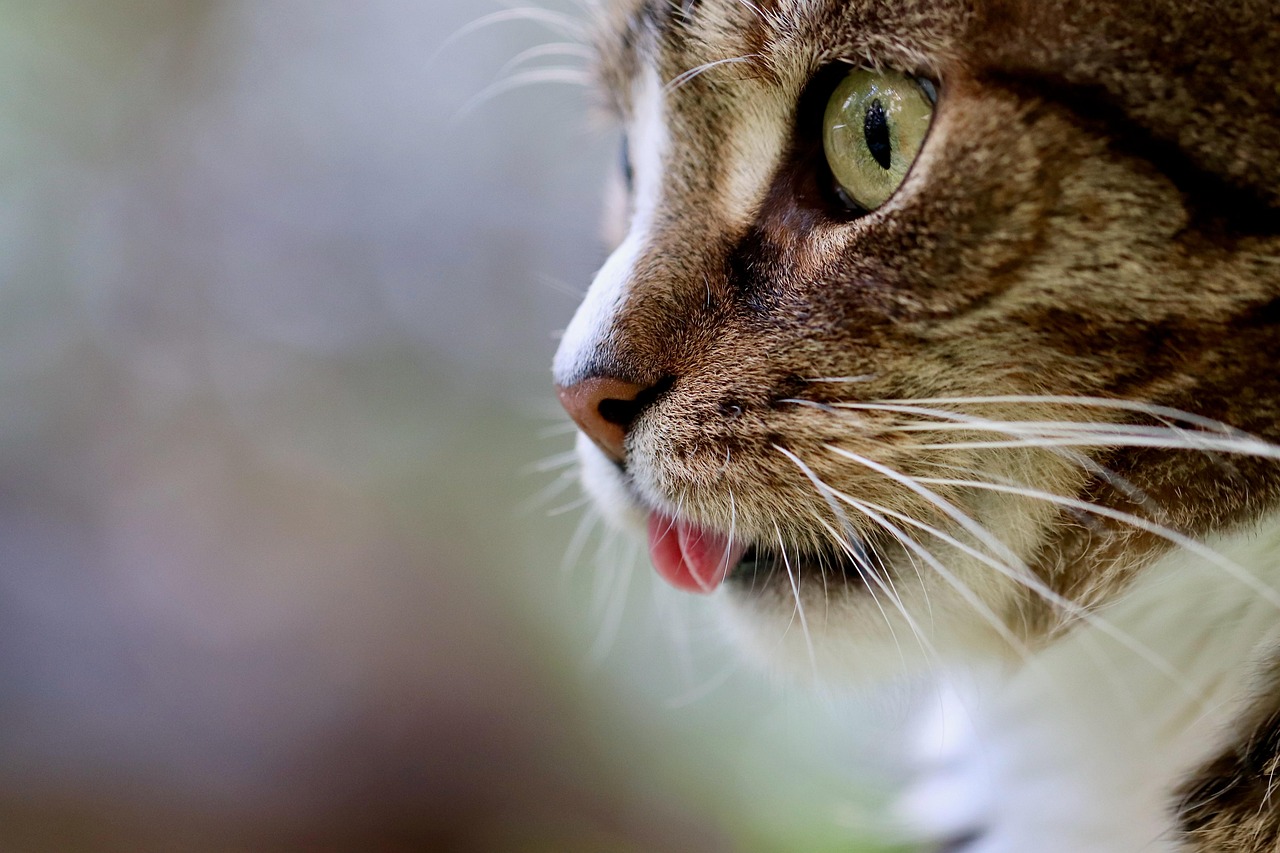

Recognizing When to Increase Water Intake for Your Senior Cat
As our beloved cats age, it becomes crucial to monitor their hydration levels closely. Senior cats are often prone to problems like kidney disease, making proper hydration essential for their health. Watch for signs that your senior cat may need more water intake. Symptoms of dehydration include dry gums, lethargy, and reduced skin elasticity. Ensure access to clean and fresh water every day, as this encourages drinking. Offering wet food can significantly help hydrate your cat, providing moisture directly through their diet. In addition, consider using a water fountain, which many cats find more appealing due to the fresh, flowing water. By keeping a close eye, you can better understand your cat’s drinking habits, making it easier to spot when their needs change. Have a regular schedule for vet check-ups to monitor overall health and provide dietary recommendations. An increase in water intake could improve their quality of life. Let’s explore more ways to ensure our senior feline friends remain happy and healthy with proper hydration.
To better gauge your cat’s hydration levels, regularly perform a simple skin test. Gently pinch the loose skin between their shoulder blades. If it takes time to return to normal, this may indicate dehydration. Additionally, check their urine output; concentrated, dark urine can signal insufficient water consumption. A healthy cat usually produces light yellow to clear urine, reflecting good hydration. Keep an eye on your senior cat’s weight, as well; sudden weight loss can be a sign that an increase in water intake is necessary. Ensuring your cat always has access to water sources encourages more frequent drinking. It is also helpful to place multiple bowls around the home. Remember to wash these bowls regularly, as a clean bowl will be more appealing. If your cat uses a litter tray, consider getting one that allows you to monitor their urination patterns. This can help you understand their water intake needs better. Finally, consult with your veterinarian if you notice a sudden decline in drinking; they might recommend specific hydration solutions or therapies to support your senior cat’s health.
Food Choices for Better Hydration
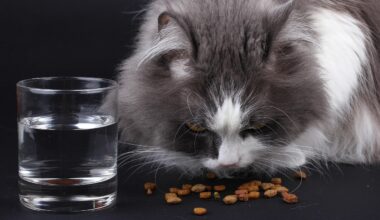
The food you offer plays a significant role in maintaining your senior cat’s hydration. Dry kibble is common, but increasing wet food portions can ensure better water consumption. High-quality wet food contains about 70-80% water, providing essential moisture alongside nutrition. Look for brands containing fresh meat sources and minimal fillers to maximize their diet’s quality. Alternatively, you could incorporate homemade meals, taking care to follow recipes designed for cat health. Always consult with a veterinarian before changing your cat’s diet. They can recommend suitable options based on your senior cat’s health conditions. It is also essential to gradually transition to new food to prevent upset stomachs. Treats can also help improve hydration; consider offering frozen treats made from cat-safe ingredients. Uneaten food should be discarded promptly to keep your cat’s environment clean. Encouraging regular eating helps maintain hydration levels as well. Watch for how enthusiastic your cat is about their meals. If they seem less interested, it might be time to reconsider their food options or consult with your vet for alternatives that promote better hydration and enjoyment.
Another method to encourage hydration in your senior cat is to flavor their drinking water. Adding a small amount of low-sodium broth or tuna juice can make water more appealing, enticing them to drink more frequently. You can even consider ice cubes with a tasty surprise inside as extra enticing treats during hot days. Observe your cat’s reaction to these new flavors, as every cat has unique preferences. Drinking water is essential, but providing alternatives to plain water can significantly increase chances of consumption. Always keep an eye on how they cope with flavoring; if there’s any adverse reaction, discontinue immediately. Feeding routines also impact water intake indirectly; feeding at the same time each day may encourage more regular drinking habits. Keep fresh water readily available during feeding times to ensure they stay hydrated. Your senior cat’s renal system relies heavily on proper hydration, especially if they are prone to urinary diseases. Regular hydration makes it easier for kidneys to function and eliminates waste safely. Overall, strive to create an encouraging environment that promotes hydration through various exciting methods, making drinking a pleasurable experience for your beloved pet.
Recognizing Signs of Dehydration
Many cat owners might overlook early signs of dehydration in their senior cats. Knowing these symptoms is vital to ensuring their well-being. Dehydration often manifests as dry and sticky gums, which could become sticky rather than slick and moist. Another common sign is decreased skin elasticity, which you can test with that gentle skin pinch. A priority is finding ways to ensure your senior cat receives adequate hydration daily. Pay attention to their behavior; an increase in lethargy or lack of interest in playful activities could indicate dehydration. If your senior cat becomes less active, it might directly correlate with hydration levels. If these signs develop, regaining appropriate hydration is vital, perhaps requiring you to seek veterinary assistance. Frequent vet visits will help you stay ahead of any potential health concerns related to hydration. Vet guidance can also illuminate specific dietary recommendations to support hydration. Additionally, if there is a change in drinking patterns, it should not be ignored. Understanding how much water your cat typically consumes aids in recognizing when hydration needs increase. Ultimately, consistent observation leads to better management of your cat’s health.
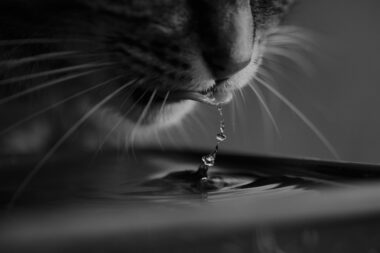
Environmental factors can directly influence your senior cat’s hydration needs. For instance, seasonal changes can significantly affect their desire to drink water. During hotter months, even if your home is temperature-controlled, a cat may require more water to stay properly hydrated. Additionally, consider the humidity levels in your home; dry air can also impact their hydration levels. It might help to invest in a humidifier during winter months, improving overall air moisture. If your home is subject to extensive heating or cooling, ensure that water stations are accessible and appealing. Keep bowls or fountains in common areas to encourage them to drink regularly. Cats may be reluctant to drink from traditional bowls, so experimenting with styles and types can make a difference. A fountain can serve dual purposes; it keeps water fresh while attracting them with moving water. Monitor how your senior cat engages with the environment to ascertain hydration effects. Trying various setups can benefit your senior cat’s hydration strategy. As we prioritize hydration, understanding how environmental aspects influence behavior encourages growth towards improved health.
Consulting with Your Veterinarian
When it comes to senior cat hydration, regular consultations with a veterinarian are invaluable. A veterinary professional can provide tailored recommendations for hydration strategies specific to your cat’s health profile. They may suggest appropriate tests to assess kidney function and hydration status. It’s critical not only to seek guidance but also to communicate any concerns you observe regarding their drinking habits. If issues arise, like refusal to consume adequate water or a notable increase in thirst, raising these issues with your vet is essential. They can identify underlying health conditions that may necessitate increased hydration. Moreover, your vet can recommend suitable types or brands of food and additional hydration support tools. Developing a relationship with your veterinarian creates an ongoing support system for your cat’s healthcare. This is especially pertinent as they age and their hydration needs shift. As owners, educating ourselves about our senior cats’ health can markedly improve their quality of life. Together with professional guidance, we can ensure their hydration needs are met efficiently, easing health concerns and enhancing their daily comfort. Creating open communication leads to effective hydration management for every beloved senior pet.
Finally, while monitoring hydration, focus on maintaining an overall balanced approach to your senior cat’s care. Monitoring behavior, diet, and novelty of their water sources provides a comprehensive strategy for approaching hydration. Tracking water intake can be as simple as observing bowl levels and noting any changes. Invest in water bowls with markings to measure water levels easily. Ultimately, the focus should always be on implementing enjoyable and engaging hydration strategies. Create routines that cater to their evolving tastes and preferences, ensuring they remain hydrated. Keeping a consistent schedule and space for feeding is equally important in recognizing their hydration needs. Building a suitable environment ensures you continually attract them to drink. Regular check-ins on your cat’s health will help adapt their hydration strategy when required. As we enhance understanding of holistic cat care, prioritizing hydration remains critical. When in doubt, refer to your veterinarian for further insights and personalized strategies. Each senior cat is different, and feeling equipped to tackle their hydration needs can significantly impact their health and happiness. Create a celebration of your senior cat’s life, using hydration as one key component of their vibrant, loving journey.