
Recall Training: Ensuring Your Hunting Dog Returns Quickly
Recall is an essential skill every hunting dog should master. It ensures their safety and keeps them close on field outings. Training your dog to come back promptly when called can be invaluable during hunts. To start training, you will require patience, consistency, and positive reinforcement. Begin in a distraction-free area where your dog feels comfortable. Use a leash or long line to keep control. Choose a command phrase like “Come” or “Here” that is easy for your dog to understand. Consistently use this command when calling your dog back to you. As your dog gets accustomed to the command, gradually increase the distance between you and your dog. Always reward your dog with treats and praise when they successfully return. This establishes a positive association with the command and encourages them for future advances. Gradually work your way to more challenging environments, introducing distractions slowly. By reinforcing good behavior, you solidify their understanding and response to the recall command. Each training session should conclude on a positive note to maintain enthusiasm and eagerness to participate in future exercises.
Focus on proper motivation to ensure your hunting dog’s responsiveness during recall training. Every dog is unique and may respond differently to various rewards. For some dogs, treats work best, while others may prefer toys or belly rubs. Experiment with several options to discover what motivates your furry companion the most. Additionally, ensure you are practicing in different environments. This exposes your dog to various stimuli and teaches them that no matter the situation, they must return. Practicing recall in controlled distractions, such as friends or other pets, will help in real scenarios. Gradually increase distractions as their training progresses. Remember to always provide enthusiasm and joy in your calls; this excitement will engage your dog further. If they don’t respond immediately, avoid scolding or punishment. Instead, encourage them with a cheerful voice. If your dog struggles with recall, consider using a whistle. A distinct sound can cut through distractions and catch their attention. Overall, understand that recall training is a gradual process. Be patient with your dog as they learn. Consistent and positive experiences will ultimately enhance their skills and responsiveness, making them a reliable hunting partner.
Common Mistakes in Recall Training
Many handlers make mistakes that slow progress in recall training for hunting dogs. One major error is inconsistency in command usage. Using different phrases for the same command can confuse your dog and stall their learning. It’s crucial to stick to a single command. Additionally, only calling your dog for things they dislike, such as leaving the water or ending playtime, can create a negative association. Instead, always ensure something positive follows the recall command. This ensures your dog develops a delightful connection to returning. Another common pitfall is not being enthusiastic enough. Your tone should be inviting and encouraging. If you sound harsh or frustrated, your dog may hesitate to come back. Using a high-pitched, friendly tone promotes eagerness. Furthermore, failing to reward your dog is a significant mistake. If they successfully return but receive little to no reward, they may lose motivation. Always acknowledge their successful recall with praise or treats. Last but not least, practicing recall only during hunting season limits a dog’s training. Consistent practice throughout the year is vital to maintain and improve their skills, ensuring they stay sharp come hunting season.
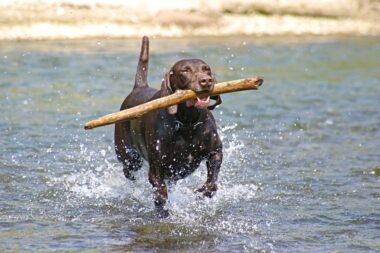
Incorporating games during recall training can greatly enhance your hunting dog’s learning experience. Fun activities help retain enthusiasm and maintain focus while learning. A great game is hide-and-seek. With a friend, hide somewhere and call your dog. Reward them for finding you. This game provides excitement and reinforces the recall command. Additionally, you can play “Tag” by starting with your dog on a leash and letting them explore. Then, call them back occasionally, rewarding them when they return. This encourages them to keep their focus on you while exploring the surroundings. Another engaging activity is retrieving. Toss a favorite toy a short distance and command your dog to fetch and return it. They will learn to associate returning with fun and excitement. Practice recall during these games, gradually increasing complexity and distractions. Remember to keep the sessions upbeat and enjoyable, celebrating small successes along the way. Dogs thrive on enthusiasm and positive interactions. The more enjoyable your training is, the more successfully your dog will learn. Its essential purpose is not just to train the dog but to create lasting memories and a friendship built on trust and fun while hunting.
Real-world Application of Recall Training
Once your hunting dog has a solid foundation in recall training, it’s important to apply these skills in real-world scenarios. Begin by taking your dog to environments reminiscent of hunting areas. For instance, consider local parks or areas with wild game. This enables them to practice with elements similar to a hunting outing, such as scents and other distractions. Start in these new environments on a leash, ensuring you maintain control over your dog. Gradually increase the range of their exploration while practicing the recall command regularly. Allow them to explore their surroundings but remain attentive and proactive in calling them back. Each successful return in these real-world settings reinforces their training and builds their confidence. As they start to respond consistently, consider letting them explore off-leash in safe, designated areas. Remember, these outings are not only about proving their skills but also developing their hunting instincts and adaptability. Throughout their experiences, focus on maintaining a strong bond while easing their anxiety about returning. This bond is crucial as they learn to trust your commands, enhancing their overall performance during hunts, helping facilitate their role as a trustworthy hunting companion.
Regular training sessions are not only important; they should also be enjoyable for both you and your hunting dog. Keeping the sessions lively and fun ensures they maintain interest in the training. Acknowledge the value of breaks after successful training, allowing your dog to play and explore freely. During these breaks, their motivation remains high when it’s time to resume training. Engaging in short practices of around 10 to 15 minutes often yields better results than lengthy sessions. Monitoring your dog’s mood is important; if they seem exhausted or uninterested, it’s best to end the session on a positive note. This prevents associated fatigue or desire to avoid training in the future. Rotation of activities is also beneficial. Mixing various commands and exercises keeps your dog mentally stimulated and excited about training. Furthermore, consider varying your reward system. Introducing novel treats or toys during sessions can elevate their eagerness. Another beneficial technique is to set up mini-challenges, such as obstacle courses that require following commands, including recall. These can increase your dog’s focus, helping them learn to return even in diverse and unfamiliar situations. Consistency and fun are keys to improving your dog’s recall skills effectively.
Conclusion
In conclusion, teaching your hunting dog recall is a vital aspect of training that ensures safety and collaboration during hunts. While training may take time and patience, the rewards of a responsive dog are thoroughly worth it. Every successful recall strengthens the bond between you and your dog, establishing trust crucial for hunting experiences. Remember to employ consistent commands, varied environments, engaging games, and rewards to keep your dog motivated throughout their training. Mistakes in methods, such as inconsistency in commands or negative associations with recall, can hinder progress. Hence, recognizing these pitfalls is essential to successful training. By embedding fun and excitement in training sessions, you increase your dog’s investment in learning. Applying recall training in real hunting situations solidifies their training and builds confidence. Ensure to conclude each session on a positive note, establishing an eagerness in your dog for future practices. Overall, a well-trained recall offers you peace of mind, helps foster a strong relationship with your hunting dog, and significantly improves your hunting experiences together. With dedication and the right techniques, your hunting dog will excel in recall, ensuring both safety and success in the field.