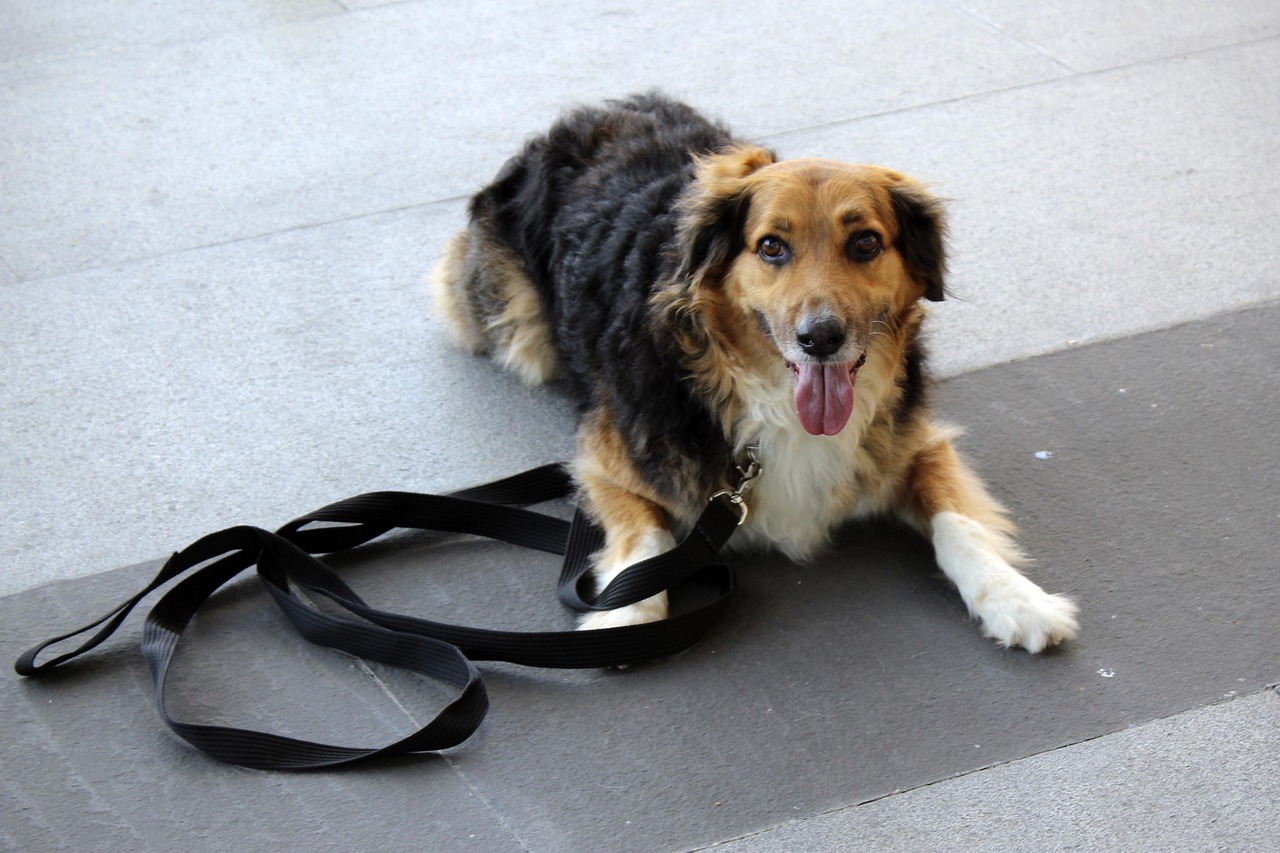

The Power of Patience: Training Success with a Stubborn Dog
Training a stubborn dog presents unique challenges that require immense patience and dedication from owners. Initially, many may feel overwhelmed by the seemingly insurmountable task of changing their dog’s behavior. It’s essential to remember that every journey begins with small, incremental steps. Owners should establish a solid foundation based on trust and communication. By consistently using positive reinforcement techniques, it becomes possible to motivate stubborn dogs to respond effectively during training sessions. Every successful behavior should be rewarded, whether with treats, praise, or playtime. The incremental victories help build a dog’s confidence and deepen the bond between pet and owner. Owners might consider documenting each training session, noting successes and areas for improvement. This record provides insight into what methods work best, fostering a customized training approach. Remember that setbacks are part of the process; it’s essential not to lose hope. A successful training experience ultimately transforms stubborn behaviors, turning challenges into delightful memories. Practical application of these strategies leads to educated expectations for both dogs and owners. Together, they explore the joys of companionship built upon respect, understanding, and mutual learning throughout the training process.
The training journey involves consistently applying techniques that can foster understanding and foster respect between canines and humans. Each dog has its own unique personality and temperament, making it crucial for owners to adapt their approaches accordingly. Dogs, especially those labeled as stubborn, often test boundaries to understand their place within the home and family. Establishing firm boundaries is essential while simultaneously providing a nurturing environment. Through structured routines, dogs feel secure, and their behavioral issues can often diminish. Owners can incorporate various training styles and techniques throughout the sessions, such as clicker training, leash training, or even agility exercises. Each method offers a unique opportunity to stimulate a dog’s mind while reinforcing obedience. Patience becomes vital, as some methods may take longer to yield results than others. Gradually, dogs begin to connect the dots, realizing that following commands can lead to enjoyable outcomes. Dog training is an enriching experience that yields success through perseverance and logical consistency. Celebrating each minor achievement can strengthen the human-animal bond, deepening mutual enjoyment during training sessions that may initially seem challenging. Dogs thrive within environments fueled by love, consistency, and dedicated mentorship.
The Role of Positive Reinforcement
As previously mentioned, positive reinforcement plays a pivotal role in achieving training success with stubborn dogs. This approach focuses on rewarding desired behaviors instead of focusing on corrections or punishments. By emphasizing the positive aspects, trainers foster a motivational atmosphere for the dog, making learning enjoyable rather than stressful. Different rewards can include treats, joyful praise, or beloved toys. By identifying what motivates the specific dog, owners can effectively harness their dog’s interest to encourage learning. Building motivation leads to desired obedience, making behaviors more likely to be repeated. It’s vital that rewards are given immediately after a behavior occurs, helping the dog make associations between the behavior and the reward. This immediate feedback enhances learning and retention of commands. Over time, incorporating intermittent reinforcement, or variable rewards, can keep stubborn dogs engaged and excited to participate in training. The goal is to create a sense of accomplishment and encouragement that makes the dog eager to learn new skills. With time and consistency, dogs often learn to love training sessions, anticipating the fun and bonding moments they share with their owners.
To become effective trainers, owners may benefit from educating themselves about canine behavior and learning principles. Understanding the science behind dog behavior can empower pet owners to make informed decisions during training sessions. Many resources, including books and online courses, provide valuable insights. Furthermore, dog trainers frequently share success stories, illustrating the power of patience and informed training approaches on stubborn dogs. Exploring community resources such as local obedience classes or training clubs can generate supportive networks for both owners and their pets. Attending sessions alongside professionals ensures a well-rounded learning experience, offering feedback in real-time. Observing professional trainers can inspire new ideas, techniques, and perspectives for dealing with stubborn behaviors. Engaging with a community can alleviate feelings of isolation during the training process. Additionally, sharing experiences can generate camaraderie and a helpful forum to troubleshoot training-related issues. When faced with challenging moments, having support can reignite motivation, fostering resilience among owners. Each dog gives its owner tremendous joy, and the patience required during training deepens this bond significantly. Slow and steady progress not only nurtures a well-behaved dog but creates unforgettable moments filled with love, patience, and trust between pet and owner.
Understanding Stubborn Behaviors
Recognizing the reasons behind a dog’s stubborn behavior can enhance success during training sessions. Dogs may exhibit stubbornness due to fear, anxiety, or lack of confidence in certain situations. Identifying triggers becomes crucial in addressing issues effectively. Observing one’s dog during various scenarios—like meeting new people, encountering other dogs, or experiencing loud noises—can reveal underlying anxieties. Owners must approach each situation with understanding, employing gradual desensitization techniques to help their dog feel more comfortable. When introducing new commands or methods, it’s beneficial to maintain a calm and composed environment. Stubbornness can often stem from fear-based responses, and it’s vital to ensure the dog feels safe and secure. Building trust between the dog and owner is instrumental in overcoming stubborn behaviors. Owners should practice patience, allowing their dogs time to process commands and respond at their own pace. Positive experiences during training help create a foundation for enduring behavioral changes. Over time, even the most stubborn dogs can become eager learners, ready to engage and obey training commands with enthusiasm. As trust blossoms, owners witness remarkable transformations in their dogs, enhancing the training journey immensely.
As training progresses, documenting milestones and shared achievements becomes essential for celebrating growth among dogs and their owners. Journaling each training session not only tracks behaviors but also highlights effective methods that yield improved results. This process aids in recognizing patterns and learning which approaches resonate best. In addition to keeping logs, capturing photos or videos during practice sessions can serve as delightful reminders of the journey. Sharing these moments within local dog communities inspires others facing similar challenges while reinforcing the owner’s commitment to training, providing motivation. Implementing a rewards system not just for the dog but for owners fosters shared success. Providing personal incentives helps maintain morale, keeping owners engaged and passionate throughout the training process. Each achievement, no matter how small, can now be celebrated as a significant milestone. Collectively showcasing progress and embracing the individual journey helps solidify the bond between pet and owner. With patience and persistence, overcoming stubborn behaviors results in rewarding experiences that build confidence. A process framed by love and dedication ultimately paves the way for fantastic memories that pet owners will treasure for a lifetime. Embarking on such a journey transforms both dogs and owners, ensuring a fulfilling life together.
Long-Term Commitment to Training
Training requires long-term dedication, and success does not occur overnight. It is imperative that pet owners remain committed to an ongoing process of growth and reinforcement. Establishing routine practice sessions can help maintain the dog’s skills while simultaneously nurturing the bond they share. Engaging in regular training helps ensure that the dog does not regress into old behaviors. Owners might incorporate training elements into daily activities, making it enjoyable and seamless. For example, practicing commands during walks or at play can reinforce obedience without frustrating the dog. It’s vital to keep commands consistent and clear to prevent confusion. Furthermore, involving the entire family in training fosters consistency in enforcement of behaviors. Each family member should adhere to the same protocol when interacting with the dog to measure progress accurately. Encouraging family members to reward desirable behaviors reinforces training in different contexts. As both owners and dogs evolve, continuous challenges and opportunities for improvement will arise, forming an ongoing and dynamic relationship. Such experiences allow owners to reflect and adjust their strategies, ensuring a training regimen that accommodates each individual dog as they embrace their unique qualities over time.
The journey towards a well-trained dog is not only about achieving obedience but also embracing the adventure of learning, patience, and love. Owners often discover that their relationships with their dogs flourish through the training experience. Each session can serve as a bonding opportunity, reinforcing connections and mutual understanding between canines and their humans. Through trials and tribulations, valuable lessons emerge regarding loving care, commitment, and the joy of shared accomplishments. Ultimately, fostering a deeper connection transcends mere obedience, as owners discover the joy of a responsive and affectionate relationship with their dog. Training stubborn dogs becomes more than just a task; it evolves into an exploration of boundaries, communication, and trust. Successful training outcomes lead to confident dogs who understand their roles within the family unit. Both owner and dog grow together, continuously learning about each other in the process. This transformative journey showcases the triumphs achieved through perseverance in training, seamlessly blending fun with discipline. By embracing patience and celebrating every triumph, the unique bond between humans and their dogs becomes a cherished testament to their enduring companionship. A journey enriched with love ultimately culminates in an inseparable partnership built on trust and understanding.