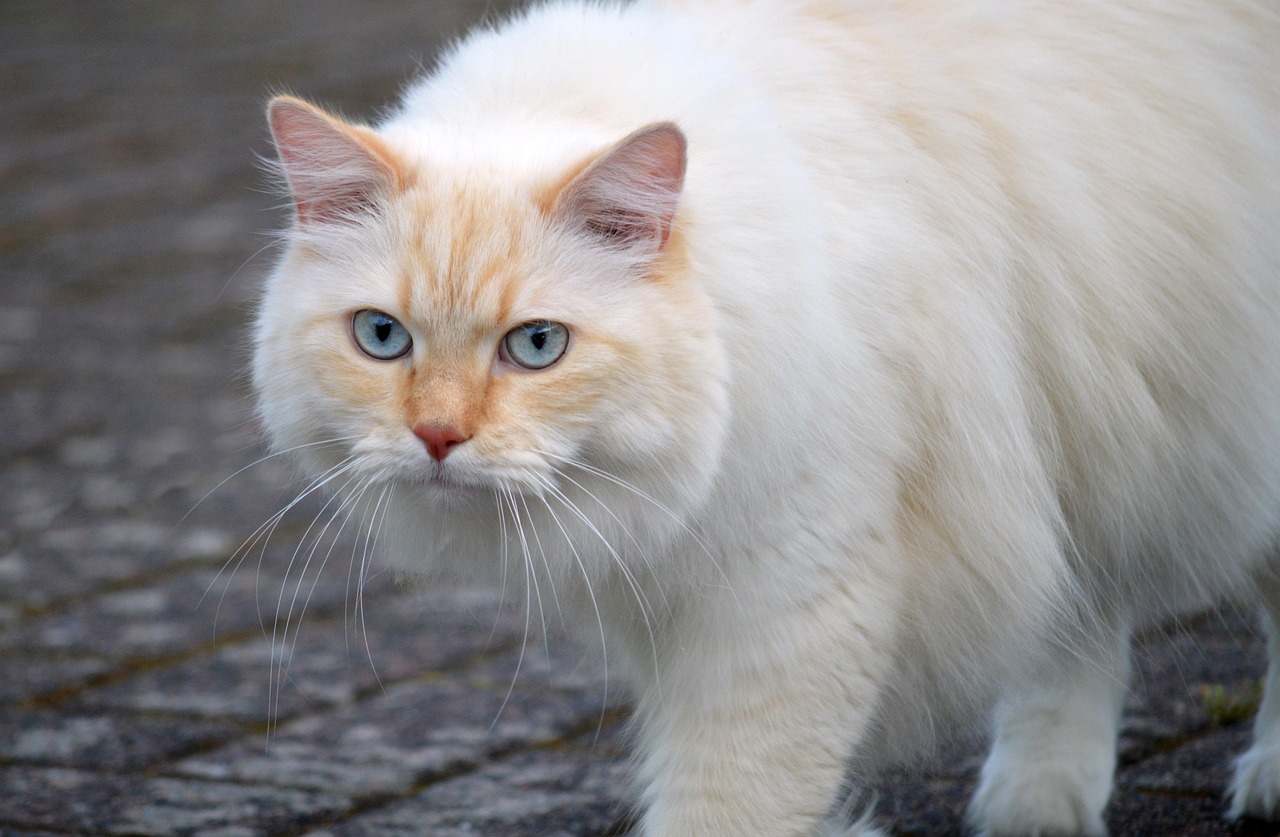

Interpreting Cat Blink Patterns to Build Trust in Training
Understanding a cat’s body language is essential for effective training. Among the various signals, blinking patterns can play a significant role in establishing trust. Cats often communicate their feelings through subtle cues, and eye blinking is one of the most revealing. When a cat blinks slowly, it signifies relaxation and trust, which is a crucial element in the training process. In contrast, frequent and quick blinking might indicate discomfort or agitation. To facilitate a positive training experience, it’s important for owners to recognize these signals early. A cat that trusts its owner will be more receptive to training techniques, leading to successful outcomes. Engaging in eye contact with gentle blinking can promote a bond between the human and feline. This form of communication encourages the cat to feel more at ease. Owners should note that each cat may have their unique ways of expression, so patience and observation are key. By paying close attention to these interactions, you can enhance your training regime and strengthen the bond with your pet, making it easier for you both to achieve desired behaviors.
To successfully train a cat, recognizing when they feel secure is vital. A cat often blinks at its owner as a sign of comfort and affection, akin to a feline ‘kiss’. By returning this gesture with slow blinks, you can create an inviting environment for your cat. This back-and-forth interaction builds trust and encourages relaxation during training sessions. If your cat closes its eyes slowly while being petted, it signifies a sense of well-being and safety. Observing such behaviors helps trainers understand their cat’s emotional state, allowing them to tailor their approach effectively. Additionally, when cats perceive their humans as a reliable source of comfort, they are more inclined to engage with the training process. The slow blink can serve as a gentle invitation to bond, paving the way for more complex training techniques. Consistency in recognizing these signs fosters a strong relationship, promoting a sense of security during learning. As training progresses, always remember to check in on these emotional cues, as they can inform you when to push forward and when to hold back for your cat’s comfort.
Incorporating play before training can enhance your cat’s mood and receptivity. Engaging in playful activities allows your cat to express itself, leading to a more relaxed state. If your cat enjoys a good play session, follow it with training to capitalize on that energy. Use toys that stimulate your cat, and ensure that these activities are enjoyable. A happy cat is more likely to respond positively to cues and commands. Moreover, observing the response during play can provide insights into your cat’s individual preferences and comfort levels. If your cat often blinks slowly while playing, it indicates high comfort, an excellent time for training. Conversely, if you notice anxious behavior, it’s best to postpone. Training should never feel forced; therefore, look for signs of fatigue or stress either through behavior or blinking patterns. When you maintain an awareness of your cat’s emotional state before transitioning to training, you create an optimal environment for learning. This approach fosters engagement and leads to a healthier human-feline relationship over time through trust and mutual respect.
Recognizing When to Pause
During training sessions, it’s imperative to recognize when to take breaks. Cats can easily become overwhelmed, resulting in negative associations with training. If you notice your cat exhibiting quick blinks or an annoyed demeanor, it might be time to stop. Taking breaks not only prevents stress but can also enhance focus when you resume training. A relaxed state aids in retention of information and reinforces positive behaviors. By alternating training with playtime or rest, you allow your cat to process what it’s learned. Monitoring blinking patterns serves as a compass during these sessions, guiding you when to amp up the training or dial it back for comfort. Each cat will have its unique threshold for engagement, and adapting to your cat’s needs is crucial. Think of this process as a dance of sorts, requiring sensitivity to the cues your feline offers. The relationship you cultivate through understanding these signals can substantially impact the efficiency of your training regimen and create a nurturing atmosphere where your cat feels safe to learn.
Positive reinforcement is another crucial aspect of effective cat training. In conjunction with understanding blink patterns, rewarding your cat for good behavior enhances learning. Rewards can range from treats to praise, fostering an encouraging environment. Consistent praise after a successful training session helps your cat associate the action with a positive outcome. Here, it’s vital to observe your cat’s blink responses during these rewarding moments. If they blink slowly following a treat, it is a good indication that your cat feels valued and appreciated. This association strengthens the training bond and reinforces desirable behaviors. Keep sessions brief and focused to avoid fatigue, as this can alter emotional responses. When reinforcing behaviors, try varying the types of rewards you provide, ensuring they remain motivated and engaged. Some cats may prefer physical affection over food, so understanding what drives your cat is crucial. Each successful training experience enhances trust, forming a solid foundation for future learning. This symbiotic relationship encourages your cat to be enthusiastic during training sessions and can lead to a more harmonious household.
Moreover, understanding the nuances of cat communication extends beyond blinking. Cats express themselves through various means, including body posture and tail movement. When coupled with blink patterns, this broader understanding can provide insightful clues about your cat’s emotional landscape. Focus on the overall context, such as whether your cat is playing or lounging. A slowly blinking cat with a relaxed body posture is conveying comfort, while the opposite may indicate stress. By integrating these observations into your training methodology, you enhance your abilities as a trainer. For instance, if your cat appears tense and blinks rapidly, it may signal a need for a break. Tail movement is also informative; a tail held high often conveys confidence and readiness to engage. Maintaining a comprehensive view of your cat’s signals enhances effective communication. A successful training framework encompasses understanding multiple signals, allowing for timely interventions when needed. Ultimately, by recognizing all aspects of cat behavior, you create a more effective training approach, ultimately improving your cat’s experience and performance.
Conclusion
In summary, recognizing and interpreting cat blink patterns significantly contributes to successful training outcomes. By observing these subtle cues, owners can establish trust and foster a nurturing environment conducive to learning. Properly understanding these signals allows you to interact effectively with your cat. Strong owner-cat relationships hinge upon creating comfort and predictability, leading to successful training sessions. By incorporating patience and thoughtfulness into your approach, you empower your cat to thrive through learning. Remember, the training journey is a mutual experience that requires understanding, time, and dedication. With consistent practice and encouragement, your cat will likely flourish, demonstrating improved behaviors and responses. Utilize positive reinforcements and maintain open lines of communication about both verbal and non-verbal cues. Cultivate an atmosphere filled with trusting interactions, enhancing your connection with your feline companion. Through understanding, bonding, and playful engagement, you pave the way for successful training. In the end, appreciation of your cat’s unique personality and behaviors leads to a rewarding training experience for both parties, ensuring that your feline friend feels valued and understood at every step along the way.
Training cats takes time and understanding their body language is crucial. The blink pattern is just one of the many ways they communicate. Nurturing this bond through careful observation allows for better behavior management and a happier relationship overall.