
Getting Started with Dog Agility Training: A Beginner’s Guide
Dog agility training is an exciting and engaging sport that allows your dog to showcase their speed, intelligence, and bond with you. To get started, it’s essential to understand what agility involves. Typically, agility consists of various obstacles like tunnels, weave poles, and jumps that dogs navigate through in a timed event. Both you and your dog can benefit as it enhances physical fitness, mental stimulation, and cooperation. Before diving in, consider your dog’s age, breed, and fitness level. Make sure they are physically able to participate and have an enthusiasm for learning new tasks. Start slowly by familiarizing them with basic commands and gradually introduce the equipment. It’s advised to build a solid foundation of obedience training first. Many dogs thrive in agility, but a gentle approach will ease the learning curve. Research local classes or trainers who specialize in agility training, as they can offer guidance, socialization, and structured learning opportunities. You will find that agility not only boosts your dog’s confidence but also strengthens your bond through shared experiences.
Once you embark on agility training, practice becomes pivotal. Regular sessions will hone your dog’s skills, making them more competent at navigating obstacles. Ensure each training session adheres to the principles of fun and reward-based learning. Dogs tend to engage positively when they receive praise and treats, making them eager to participate. Focus on short bursts of activity followed by breaks, ensuring your dog does not become overwhelmed or fatigued. Various age-appropriate exercises can include teaching basic commands like “sit,” “stay,” and “come,” which form the basis for agility training. Consistency is vital in reinforcing these commands. As your dog masters basic commands, introduce agility equipment in a non-threatening environment. Start with one piece of equipment at a time to avoid confusion. Positive reinforcement like treats and verbal praise will encourage your dog to engage with the agility obstacles more willingly. Patience is essential; some dogs may need additional time to adjust. The overall goal is to create positive associations, which ultimately lead to greater success in navigating agility courses.
Understanding the Equipment
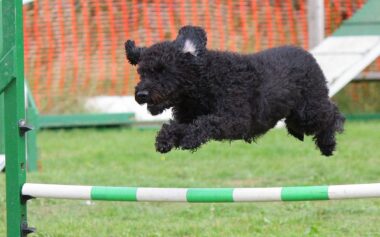
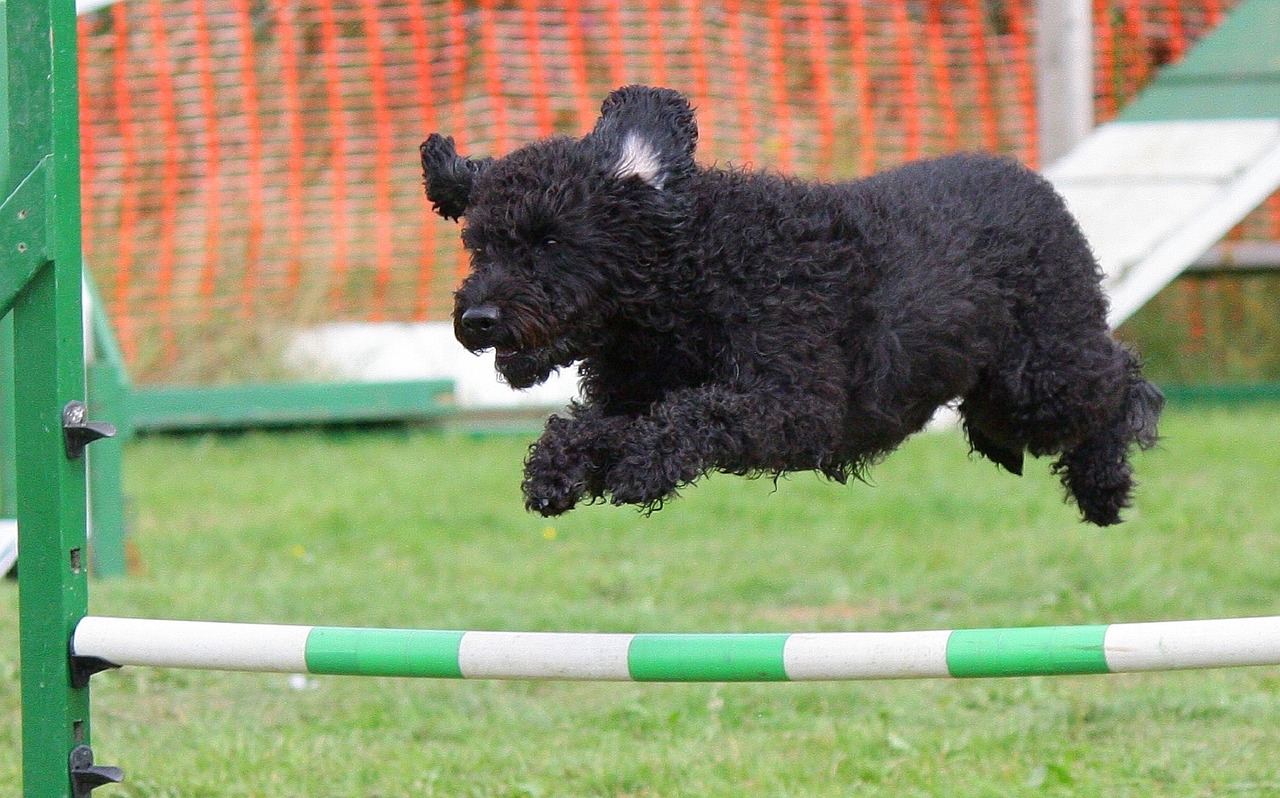
Agility equipment comes in various forms, each serving a unique purpose in your dog’s skill development. Understanding these different types of equipment will better prepare you for your training sessions. Common agility equipment includes jumps, tunnels, weave poles, and dog walks. Jumps are excellent for teaching dogs to clear obstacles and build confidence. Understand appropriate jump heights based on your dog’s size and ability. Tunnels provide fun and excitement, encouraging dogs to race through a flexible structure. They also enhance your dog’s confidence while improving speed. Weave poles challenge dogs to navigate in a straight line, emphasizing agility and precision in movements. The dog walk equipment trains balance and coordination as dogs learn to traverse the elevated surface. Acquainting yourself with each equipment type will not only provide a comprehensive understanding of agility training but also help in setting realistic training goals for your dog. Many pet supply stores offer agility kits, which can be beneficial for backyard training. Emphasizing safety is crucial, ensuring each piece of equipment is appropriate for your dog’s skill level and health.
In addition to practicing with equipment, socialization is another significant aspect of agility training that cannot be overlooked. It’s essential for dogs to interact with other dogs and handlers in a controlled environment, as it prepares them for actual competitions. Enroll your dog in social training classes or agility clubs where they can meet fellow dog owners and their pets. This exposure helps your dog develop confidence around distractions and other animals. Also, training alongside other dogs provides motivation and healthy competition. However, always supervise these interactions to ensure safety for everyone involved. Positive experiences with other dogs will also prevent future behavioral issues. Consider arranging playdates with agility-friendly dogs to promote socialization in a familiar, less overwhelming atmosphere. The key is to maintain a balance between individual training drills and group activities, which will cultivate a well-rounded dog. As your dog becomes more comfortable and well-trained in collaboration, you will see improvements in their performance. Enthusiasm and encouragement during these social encounters will further enhance your dog’s agility experience, making it more fun and rewarding.
Training Tips for Success
As you advance in your training journey, certain tips can contribute significantly to improving your and your dog’s success. Emphasizing consistency in training is crucial. Dogs thrive on routine, so establishing a regular training schedule is beneficial. Consistently practicing commands, rewarding good behavior, and gradually introducing new challenges will develop their skills effectively. Keep sessions short and focused to maintain your dog’s interest. Start with easy exercises that build their confidence. As your dog gains proficiency, introduce more challenging obstacles. Using clear and consistent cues while guiding your dog through the agility course is essential. Body language plays a role; your movements influence your dog’s performance. Stay enthusiastic, maintaining a high-energy attitude during training, as this motivates your pet. Finally, remember to celebrate your dog’s accomplishments, no matter how small. Whether through treats, toys, or affection, expressing pride in their achievements enriches their learning experience. Keep in mind that the ultimate purpose of agility training is to strengthen your bond and have fun together. It is vital to enjoy every step of this journey, creating lasting memories with your furry friend.
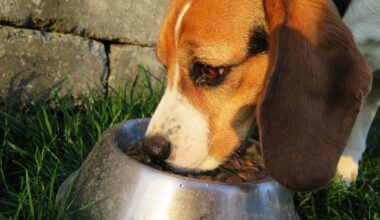
As you progress with agility training, it’s crucial to monitor your dog’s health and well-being. Health checks should precede and follow training sessions, ensuring that your dog is in optimal condition for physical activity. Older dogs and those with prior injuries must receive thorough examinations before starting agility training. Regular visits to the veterinarian can prevent serious issues by addressing any signs of discomfort early. If you notice any unusual behaviors during training, such as limping or reluctance to engage, take a break and consult a veterinarian for advice. It is equally important to consider your dog’s diet and nutrition, as these impact their energy levels and performance. Feeding a balanced diet that meets their specific needs supports their agility training efforts. Hydration is also critical during and after workouts. Always have fresh water available during sessions, particularly on hot days. Rest days are as essential as training days; they allow your dog’s body to recover and adapt. Pay attention to their energy levels and adjust the training intensity accordingly. Keeping track of your dog’s overall health will greatly enhance their agility training experience.
Preparing for Competitions
Once your dog has developed confidence and skills, you might consider entering competitions. Participating in agility competitions is an exhilarating experience that can showcase the bond you have built with your dog. To prepare for these events, begin by practicing course runs similar to what you would encounter in competitions. Familiarize your dog with the rules and regulations of the competition, ensuring they understand what is expected. Entering lower-stakes competitions or fun matches can help acclimatize both you and your dog to the event atmosphere. It’s an excellent opportunity to observe other competitors and courses as well. Similar to any other sport, regular practice and participation enhance success. Carve out time for mock competitions to reduce anxiety leading up to real events. Remember, the primary goal is to continue enjoying agility together, regardless of the outcome. Maintaining a positive attitude during competitions will not only help your dog feel at ease but also make the experience enjoyable. Your support and encouragement will shine through, strengthening your connection and enthusiasm for the sport.
Dog agility training is a rewarding journey that fosters a deep bond between you and your canine companion. It promises mental and physical stimulation for your dog while providing a fun avenue for quality time spent together. The steps laid out in this guide aim to assist aspiring agility enthusiasts, enabling you to foster this incredible bond. As you navigate this journey, tailor your training methods to fit the unique personality and needs of your dog. You’ll discover their strengths and weaknesses along the way, which will enrich your training experience. Always approach agility with patience and joy as these qualities help your dog thrive. Utilize available resources like local classes, trainers, or online communities for support and tips. Agility is not only a competition but also an adventure and a fantastic way to enhance your dog’s quality of life. Celebrating every achievement, regardless of its size, will promote a positive association with agility exercises. Enjoy the journey ahead, building a lifelong love for agility in your dog, and relish the new skills they will develop and showcase over time.