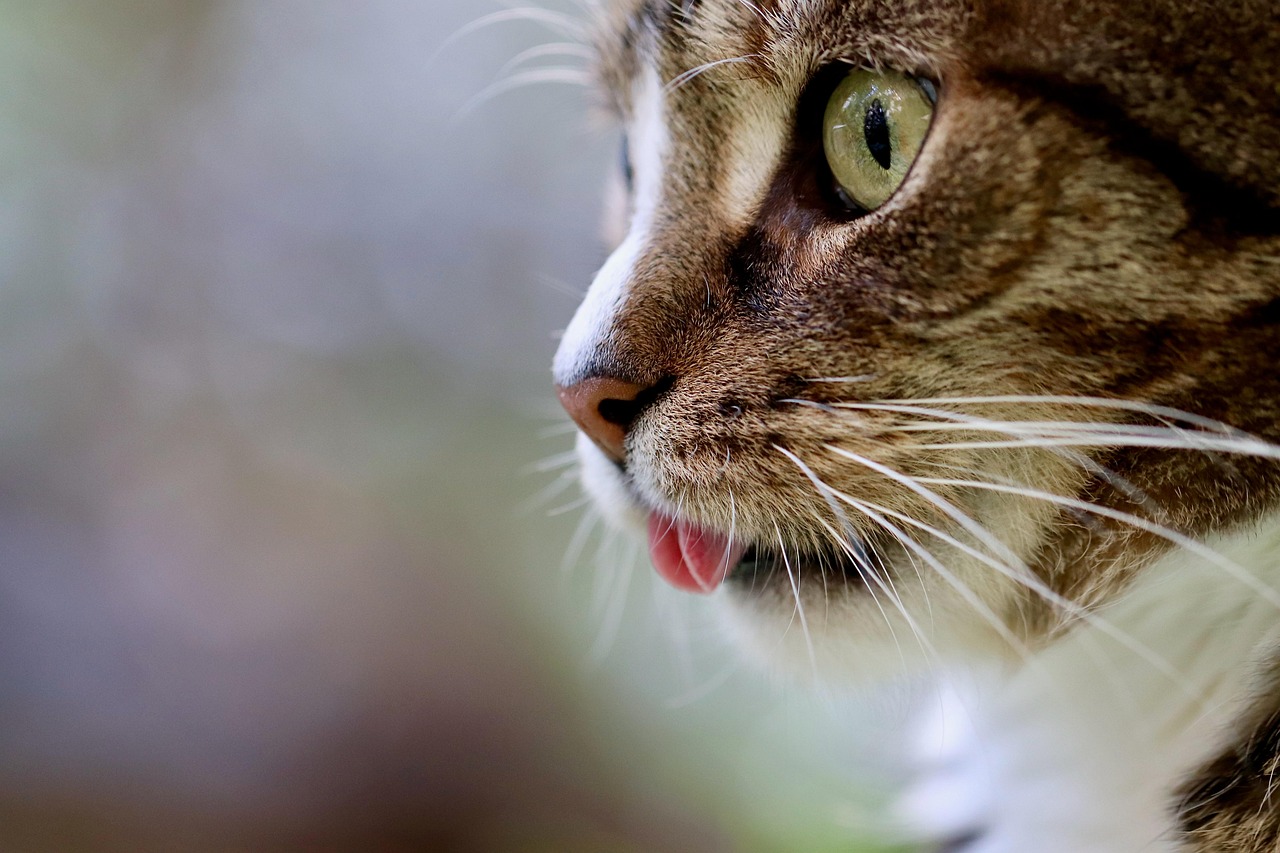

DIY Tuna Cat Food Recipe: A Treat for Your Cat
Are you looking for a healthy and delicious treat to prepare for your feline friend? Making homemade cat food can be both fulfilling and beneficial for your pet’s overall health. Many store-bought cat foods are filled with preservatives and filler ingredients that may not be the right choice for your cat’s diet. One of the simplest and most popular recipes is the DIY Tuna Cat Food. Tuna is not only a favorite among cats but also packed with essential nutrients. This recipe allows you to know exactly what your cat is eating. Additionally, homemade cat food can save you money while giving your cat the freshest ingredients. Start preparing your very own tuna cat food today and witness the joy it brings your furry companion. In this guide, we will explore the steps required, the ingredients needed, and some helpful tips to ensure your tuna cat food is both safe and delicious. Your cat deserves the best, and with this recipe, you can provide them with a nutritious meal that they will absolutely love, making mealtime exciting and healthy.
Ingredients You’ll Need for Tuna Cat Food
Gathering the right ingredients is crucial for creating a palatable and healthy tuna cat food. Here’s what you will need: 1 can of tuna packed in water (preferred over oil), 1 tablespoon of pumpkin puree (optional but beneficial for digestion), 1/4 cup of cooked rice or quinoa as a carbohydrate source, and finally, some cat-friendly vegetables like peas or carrots. Make sure to choose tuna that contains no added salt or seasoning, as these can be harmful to pets. The pumpkin puree can provide fiber, which is great for digestion, ensuring your cat’s tummy remains happy and healthy. Using rice or quinoa helps create a balanced meal that satisfies your pet’s hunger. Always remember to introduce new foods gradually to avoid upsetting your cat’s stomach. This simple list guarantees your cat receives a nutritious meal full of protein and other vital nutrients. Enjoy watching your cat’s delight as you prepare this delicious homemade dish that’s just perfect for any occasion or as a special treat to show them how much you care.
Once you have gathered all your ingredients, it’s time to start the preparation process for your DIY tuna cat food. First, drain the canned tuna thoroughly to remove excess water. You want the tuna to be concentrated and flavorful for your cat. Next, in a bowl, combine the drained tuna, pumpkin puree, and the optional cooked rice or quinoa. Mix these ingredients thoroughly until they form a consistent texture. If you are including vegetables, dice them into manageable bite-sized pieces that your cat can easily chew. Incorporating veggies not only adds nutritional value but can also enhance the flavor of the dish. If you notice your cat is hesitant to eat vegetables, try blending them into the mix for a smoother texture. An alternative is to offer the vegetables separately to see if they pique your cat’s interest. Creating a balanced mixture ensures your cat gets the nutrition they need while enjoying every mouthful. When all the ingredients are well-combined, it’s time to serve this delightful treat to your furry friend. Your cat is sure to love the wholesome goodness you provided.
Portion Control and Serving Tips
Understanding the correct portion sizes when serving homemade cat food is essential for your feline’s health. While tuna is a nutritious option, it should not form the entire diet. Ensure that you provide this DIY tuna treat as an occasional meal replacement or special treat rather than a daily staple. Depending on your cat’s size and activity level, a serving size of about 1/4 cup of this tuna mixture should suffice. Monitoring your cat’s weight and overall health is paramount when introducing any new food into their diet. Always consult with your veterinarian about the ideal portions based on your cat’s specific needs. Remember that homemade cat food is rich and can lead to weight gain if overfed. Offer this tuna dish alongside their regular cat food to maintain a balanced diet. Also, consider separating the mixture into smaller containers or meal-prepping for days ahead. Storing portions in the fridge helps you streamline feeding time and ensures your cat receives fresh meals regularly. Preparing in advance also saves time and ensures your cat always has appropriate tasty options available.
One of the benefits of making your own cat food at home is having complete control over the ingredients. Unlike commercial options, homemade food lets you tailor ingredients to your pet’s liking, ensuring they enjoy their mealtime. Furthermore, using fresh ingredients can potentially decrease the risk of allergies and digestive issues commonly associated with commercial cat foods. You can experiment with flavors and textures by adjusting the recipe to suit your cat’s preferences and tolerances. If your cat enjoys fish, feel free to expand beyond tuna to other varieties such as salmon or sardines for variety. However, always ensure these seafood options are plain and packed in water with no additional flavorings. Balance is crucial for a nutritionally sound meal, so focus on integrating protein sources with thoughtful carbohydrates and vegetables. Additionally, always observe your cat for signs of food allergies or intolerances when introducing any modifications. Maintaining a dialog with your vet about the nutritional adequacy of the meals you prepare is recommended. This attention leads to a more enjoyable and healthy feeding experience, strengthening the bond between you and your feline companion.
Storing Homemade Cat Food
Once you’ve prepared this delicious DIY tuna cat food, proper storage practices will ensure its freshness and safety. Homemade cat food typically lasts about three to four days in the refrigerator. To keep the food fresh for as long as possible, transfer it into airtight containers. Airtight containers prevent the penetration of odors, maintaining flavor while also protecting the food from contamination. Labeling your containers with the preparation date is a useful habit to adopt; this way, you know exactly when the food was made. If you have prepared more than your cat can consume within that timeframe, consider freezing excess portions. Storing portions in freezer-safe containers allows you to keep meals for up to a month. To serve, simply thaw the desired amount in the refrigerator overnight and warm it slightly before feeding to return the flavor. Always check the food for freshness and smell before serving it. Following these storage methods can help ensure that your cat continues to receive delicious homemade meals, keeping their diet varied, exciting, and healthy. Your efforts will surely be appreciated by your beloved friend.
In conclusion, preparing homemade cat food like the DIY tuna recipe is both enjoyable and rewarding for both you and your furry companion. It is a fantastic way of ensuring your cat consumes high-quality ingredients without unknown additives commonly found in mass-produced alternatives. The process may take a bit of time but is worth every minute when you see your cat delight in a nutritious meal that you crafted with love. It fosters a unique bond between you and your pet as they enjoy the deliciousness you’ve prepared. Incorporating this type of meal occasionally adds variety to their diet and keeps them interested in their food. Keep experimenting with ingredients and flavors, and explore other recipes as your confidence builds in the kitchen. Remember, the ingredients in this homemade cat food are beneficial towards fulfilling your cat’s dietary needs. Make it a fun routine by involving family members in the process and expanding your cat’s culinary options together. Ultimately, caring for your cat through diet is a meaningful aspect of pet ownership that instills love and care into everyday life.