
How to Groom Senior Dogs Safely and Comfortably
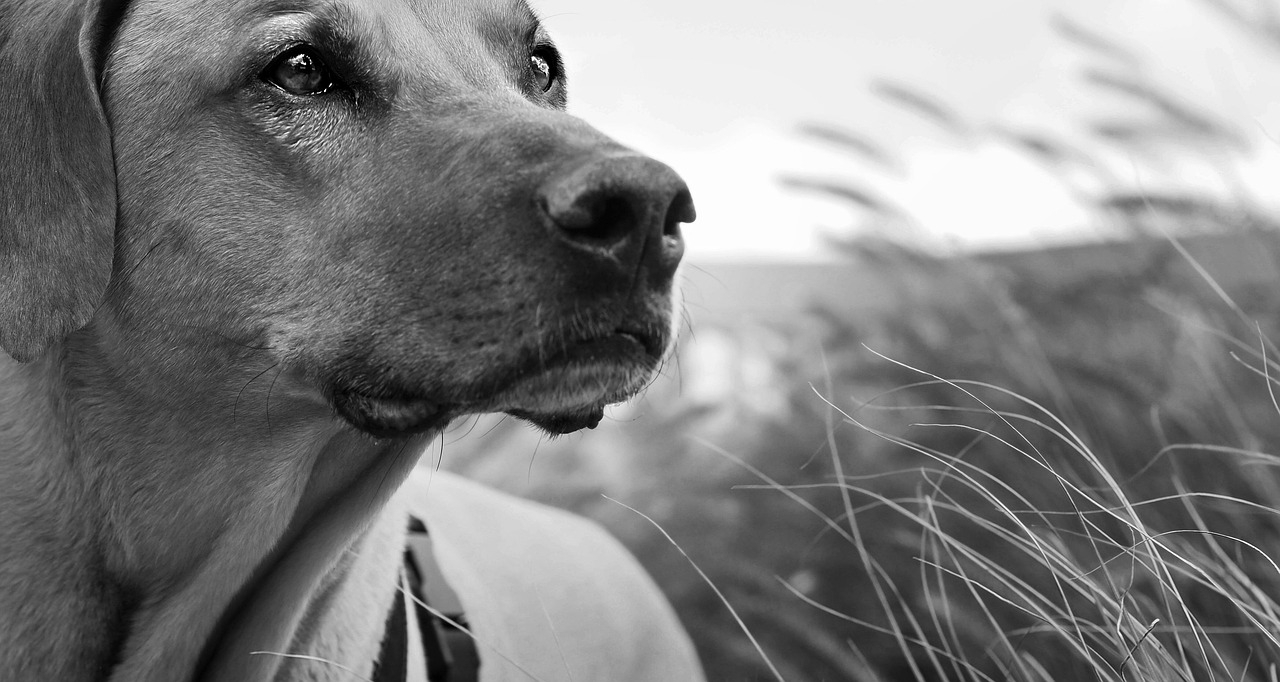
Grooming senior dogs requires extra care and consideration due to their unique needs. As dogs age, they often face various physical challenges, so understanding these can help ensure a safe grooming experience. The first step is assessing their mobility. Older dogs might have joint issues, making it difficult for them to stand for extended periods. Choosing a comfortable, low table or floor space is ideal for grooming. It is also recommended to use a non-slip mat to ensure stability and prevent accidental slips. Being mindful of their joint pains means frequent breaks during grooming sessions. You should always have the necessary grooming tools close at hand and make sure they are suitable for senior dogs. For instance, selecting clippers designed for sensitive skin can minimize discomfort. Always approach grooming with gentleness and patience, as some senior dogs may show signs of anxiety or discomfort. If your pet is nervous, consider using soothing techniques, such as speaking softly or offering treats intermittently. This helps create a more relaxed atmosphere, making grooming easier for both you and your furry friend. Regular grooming can be a bonding experience for you and your senior dog.
Choosing the Right Grooming Tools
When it comes to grooming senior dogs, choosing the right tools is essential. A dog groomer should select grooming tools that cater to the specific needs of older dogs. Start with scissors that have rounded ends, providing safety while cutting through matted fur. A soft brush is also vital; a pin brush or slicker brush can detangle knots without pulling excessively. Remember, older dogs may have sensitive skin, so brushes with softer bristles can help avoid irritation. Furthermore, specialized grooming gloves can be effective in keeping your dog’s coat healthy while offering a massaging effect, which can be calming for senior dogs. When using clippers, opt for low-vibration models as they are less likely to startle your pet. If your dog experiences anxiety with loud noises, having quiet clippers can significantly reduce stress. Additionally, consider investing in a grooming tool with an ergonomic design to prevent strain during long grooming sessions. Each dog’s coat type varies; therefore, invest in the necessary tools for your dog’s specific grooming requirements, be it a de-shedding tool or a comb. The right tools lead to a more enjoyable grooming process.
Preparing your senior dog for grooming plays a critical role in ensuring their comfort and safety. Start with a calming environment; use soft lighting and gentle background music. Ensure the grooming space is clean and free of distractions, to help your dog relax before beginning. Allow your pet to explore the grooming area, which can help reduce any anxiety they might have when it is time for grooming. Before the grooming begins, always check for any skin irritations or sores that may need veterinary attention. Inform your veterinary professional if necessary. After checking, make sure you have all your tools ready and accessible. Having everything at hand prevents moving away from your dog, which could lead to stress interruptions. If your dog enjoys treats, offering them as a reward may improve their mood during grooming sessions. Creating a positive association with grooming helps your dog feel more comfortable. Throughout the process, be gentle and patient; older dogs may need extra reassurance and time to adjust. Always monitor your dog’s reactions closely, and take breaks when necessary, ensuring their well-being is your top priority.
Bathing Techniques for Older Dogs
Bathing older dogs safely requires different techniques than grooming younger dogs. Older pets often have arthritis or other mobility issues which can make standing in a bathtub uncomfortable. Instead of bathing them in a typical tub, it may be beneficial to use a shower attachment or a portable dog bath. Ensure the water temperature is comfortable—neither too hot nor too cold. Gently wet your dog’s coat using a cup or gentle spray, avoiding their face at first. Applying a dog-specific shampoo should be done sparingly, focusing on areas prone to dirt buildup. Rinse thoroughly to avoid skin irritation, ensuring all soaps are completely washed away. In between grooming, consider using pet wipes for a quick clean without stressful baths. After bathing, wrap your dog in a warm towel or blanket to avoid getting chilled. This helps them feel secure and cozy as they dry. Always supervise your dog during bathing. Getting them accustomed to bathing at a younger age can ease future experiences. Senior dogs deserve attentive and gentle bathing that prioritizes both comfort and cleanliness, ensuring they feel fresh and loved during the grooming session.
Post-grooming care is just as important as preparing your senior dog for grooming. After the grooming session, it is essential to take a moment to check your dog’s skin for any signs of rash or irritation, especially since older dogs may have more sensitive skin. If anything unusual is observed, be sure to consult your veterinarian promptly. A thorough brushing after each grooming session helps maintain the cleanliness and health of your dog’s fur. This also allows for further bonding time as you engage with your dog in a gentle manner. Furthermore, always reward your dog with treats or affection after grooming, reinforcing a positive experience. Consistently applying the right products, like moisturizing sprays or conditioners, can keep their coat smooth and prevent matting. Additionally, always ensure your dog is hydrated, especially after a grooming session. Offering fresh water helps them recover from any stress they may have experienced. Remember, as dogs age, their grooming needs may change; remain attentive to these evolving demands. Taking such extra care promotes not only your dog’s comfort but also enhances their overall well-being, ensuring they enjoy their golden years to the fullest.
Recognizing Signs of Stress or Discomfort
Grooming can be stressful for older dogs, so it’s crucial for pet owners and groomers to recognize signs of discomfort. A senior dog might display subtle signs indicating they need a break, such as panting or attempting to escape the grooming area. Other significant indicators can include whining, shaking, or excessive drooling. If your dog exhibits any of these behaviors, it’s important to pause and give them a moment to relax. Frequent breaks during the grooming session can help ease their anxiety. Provide comforting words and gentle touch to soothe their nerves. If your dog becomes overly anxious, consider ending the session and rescheduling for another time when they might feel more relaxed. Positive reinforcement can also play an important role in their comfort. Offering treats or praise when they remain calm can encourage good behavior during grooming. Additionally, maintaining an eye on your dog’s physical condition is essential; if you notice joint stiffness or lameness, review your grooming schedule with your veterinarian. Ensuring that grooming is a low-stress experience enhances comfort and allows for a much more pleasant grooming routine for your senior dog.
In total, grooming senior dogs is an essential part of their care. With the right techniques and tools, you can ensure that the grooming experience is both safe and comfortable. Regular grooming not only contributes to their physical appearance but also stimulates blood circulation, which is particularly beneficial for older dogs. Moreover, it provides a wonderful opportunity for you and your pet to bond. Finding a suitable environment, using soft brushes, and being patient are crucial in this process. Always be vigilant for any signs of distress, and respond accordingly to maintain a calm atmosphere. If your senior dog typically shows nervousness, consider consulting with a professional groomer experienced in handling older dogs and their specific needs. Regular visits can enhance comfort levels over time. Moreover, always consult your veterinarian about any persistent health concerns that could interfere with grooming. Finally, celebrating small accomplishments can motivate your dog to be more cooperative during grooming. Overall, patience, and care are key components, and providing a loving grooming experience ensures that your senior dog enjoys its golden years with the best possible care and affection.
Conclusion: Fostering a Positive Grooming Experience
Grooming senior dogs can be a rewarding experience when approached through care and kindness. By understanding the unique needs of older pets, owners can foster a positive grooming environment. Always keep in mind to use appropriate equipment, focusing on comfort to prevent any potential distress. Regular grooming not only enhances appearance but also promotes overall health, making it vital for senior dogs. Moreover, the grooming ritual can provide soothing and comforting experiences for both pets and owners, creating delightful moments together. Cultivating a positive association with grooming helps create a loving routine that benefits your dog emotionally as well. Remember to reward good behavior. Patience, gentle handling, and positive reinforcement will encourage better cooperation. As dogs grow older, ensuring their well-being through proper grooming practices is essential. Regular veterinary consultations can also provide invaluable guidance on best practices concerning your dog’s health and grooming needs. Developing a routine that respects your dog’s feelings and physical limitations nurtures trust. Always embrace each grooming session as a bonding opportunity, ultimately leading to strengthened ties between you and your beloved senior dog.