
Evaluating Your Dog’s Readiness for Search and Rescue Work
Determining whether your dog is ready for search and rescue (SAR) work involves understanding their innate abilities and temperament. Search and rescue requires dogs to have specific traits, including drive, confidence, and a keen sense of smell. When assessing suitability, begin with observing your dog in various environments. Look for how they handle distractions, whether they stay focused and follow commands consistently. Training methods that emphasize positive reinforcement can be useful in fostering a strong bond and motivation. Especially in SAR scenarios, teamwork between handler and dog is critical for success. An assessment of your dog’s physical fitness is also advisable, as many SAR tasks require agility and stamina. Consider scheduling regular wellness check-ups with a veterinarian for an overall health assessment. A dog that is physically and mentally fit will excel in demanding SAR environments. Furthermore, socialization plays a pivotal role; your dog must interact well with people and other animals. Start with positive exposure to new experiences to create a well-rounded companion. With time, patience, and the right training, almost any dog can become a competent search and rescue partner.
Engaging in training exercises is essential for evaluating your dog’s potential in search and rescue work. Implementing structured training sessions can help identify your dog’s strengths and weaknesses. Begin with simple obedience commands and pave the way toward complex tracking tasks. A good starting point is a basic recall. This lays the foundation for the bond of trust between you and your dog. Once established, you can incorporate scent work. This includes hiding an object that your dog must find using their sense of smell. You can increase the difficulty level by introducing different environments and controlled distractions. Observe how your dog reacts; are they excited and persistent in searching? Such behavior indicates a strong potential for SAR tasks. Incorporating different teams in training can simulate the actual conditions dogs may face in the field. Providing varied experiences will help your dog adapt to unfamiliar surroundings. Building confidence through success encourages further participation. Additionally, consider the level of enthusiasm your dog shows towards new challenges. Consistent encouragement and showing appreciation can turn training into a rewarding experience, further enhancing your dog’s skills and readiness for the field.
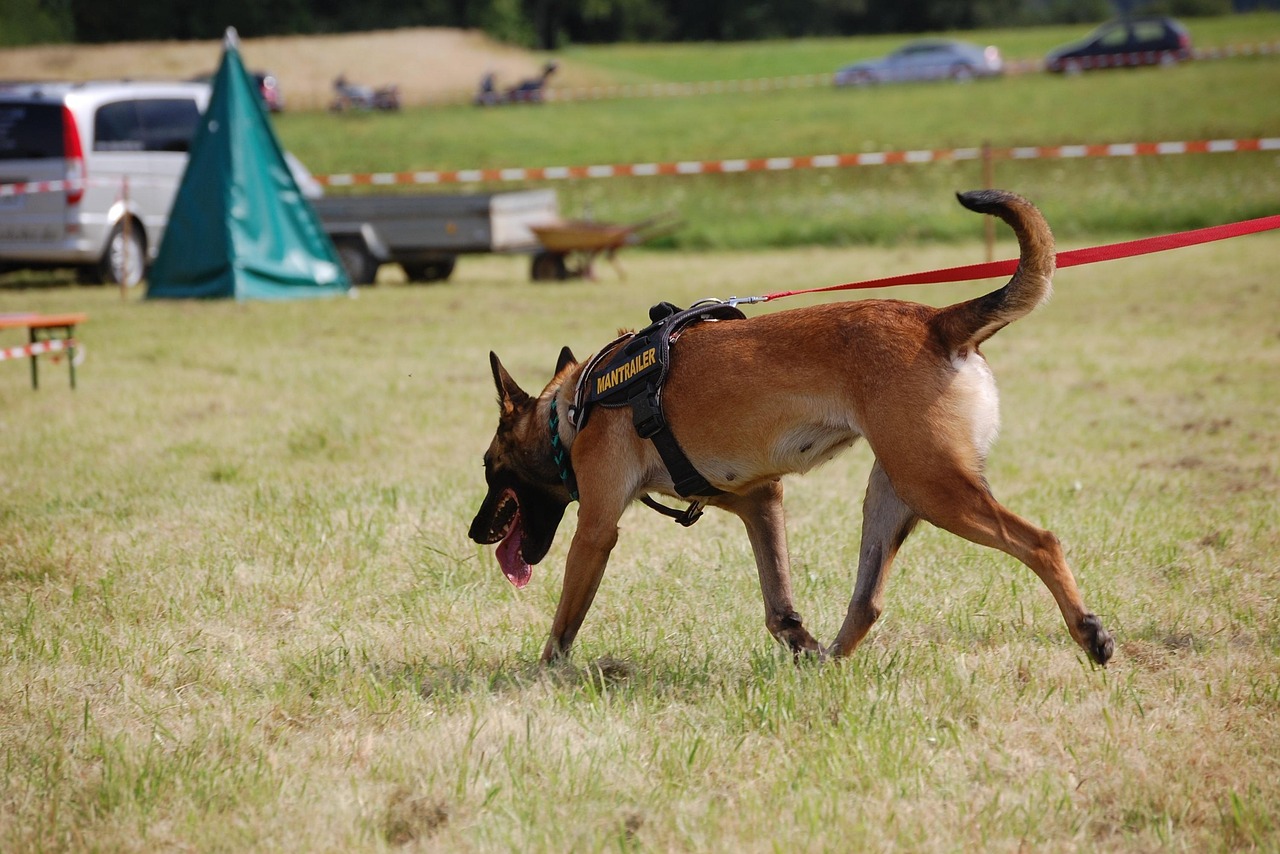
Another critical aspect when evaluating your dog’s readiness for search and rescue work is evaluating their temperament. The ideal search and rescue dog often exhibits strong characteristics such as independence, intelligence, and a gentle demeanor. You can assess temperament by observing how your dog reacts in different situations. For instance, how do they handle stressful environments or loud noises? Dogs that shy away may need additional training and socialization before moving further in their SAR journey. Additionally, keep in mind that different breeds have varying predispositions towards certain tasks. For example, herding breeds often show better focus and drive in search tasks, while hounds excel in scent work. Conducting temperament testing can also be beneficial; this might involve seeing how your dog interacts with new people, other animals, or challenging scenarios they might face while working. Another exercise is to expose them to gear associated with rescue work, like harnesses and vests. Assess your dog’s comfort level with these tools, which can signal their readiness. Ensuring that your dog remains calm and responsive during these evaluations will set the precedent for future search operations.
Physical Capabilities Assessment
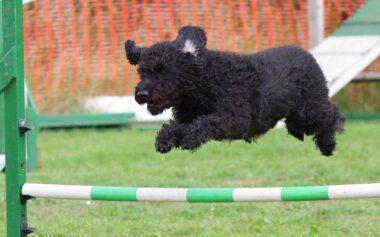
Physical readiness is paramount in search and rescue. It is essential for dogs to possess the stamina and agility to successfully navigate challenging terrains and environments. A thorough evaluation of your dog’s physical condition should commence before embarking on SAR training. Begin with basic fitness assessments, such as measuring your dog’s ability to complete agility courses or enduring extended walks. Consult with a veterinarian to determine appropriate exercise regimens tailored to your dog’s breed and age. Strength training can significantly benefit canine endurance. Exercises that build muscle mass, like fetch or tug-of-war, can enhance their overall capability. Additionally, hydration and nutrition should be prioritized; high-energy foods and plenty of water will keep your canine companion in peak condition. During your physical training routine, observe cues indicating fatigue or stress. Understanding these signals will help prevent injuries. Incorporate rest days within their training schedule for recovery to improve stamina. Regularly adjusting intensity based on your dog’s feedback will contribute to their well-being and success within SAR roles, ensuring they are both physically and mentally prepared for any challenge.
The ability to work as a team is crucial for success in search and rescue operations. A well-prepared dog should exhibit excellent communication with their handler, developed through consistent training. To further assess teamwork capabilities, engage in various exercises that encourage cooperation and reliance. An essential aspect of this training is to develop mutual trust and respect. Use motivating rewards and praise during sessions to create a positive learning environment. Callback exercises play a significant role in reinforcing your dog’s response to commands and solidifying the bond between handler and dog. Incorporating leash work can also help develop focus during searches, so your dog remains attentive. To ensure effective communication, handlers need to familiarize themselves with their dog’s unique signals and cues. These signals can range from body language to vocalizations indicating success in finding scents or targets. Consistency in methods will ensure both parties are on the same page, adapting to one another’s needs effectively. Teams with robust communication can navigate emergencies more efficiently, making it a critical aspect of search and rescue readiness that should not be overlooked during evaluations.
Finding the Right Environment for Training
This evaluation extends to identifying suitable environments for training your dog. The ideal search and rescue training locations should mimic real-life scenarios your dog may face. Consider utilizing wooded areas, urban settings, or disaster sites to introduce a variety of challenges. Exposing your dog to diverse environments will prepare them for unexpected circumstances while on missions. Therefore, it’s essential to arrange training sessions in these different environments regularly. This practice will help reduce the likelihood of distractions becoming overwhelming during operatives. Observing how your dog reacts to specific locations can provide insight into their comfort levels and focus. If they exhibit signs of anxiety, gradual exposure techniques may be needed for acclimatization. Environments should also include varying weather conditions; this is critical for dogs working in teams comprising multiple handlers and units. Simulation exercises can also cultivate teamwork and adaptability, paving the way for enhanced skills in the field. Assessing behavior in these various settings will enable you to judge your dog’s adaptability, ensuring that they are well-prepared for a career in search and rescue.
Ultimately, evaluating your dog’s readiness requires patience, consistency, and a thorough understanding of their unique traits. Engaging in regular training and assessments builds expertise and enhances your dog’s abilities. Collaborate with experienced handlers or trainers who specialize in search and rescue can be immensely beneficial. They can provide guidance, support, and tailored training methods, ensuring your dog is comprehensively prepared. Networking with other SAR enthusiasts can also offer new insights, perspectives, and techniques to implement in your training regimen. Often, learning from others will expedite the training process. Remember to prioritize your dog’s well-being throughout the journey. Take the time to celebrate successes, whether big or small, as this fosters confidence and motivation. Consistency in practice will yield improvements in both performance and skills. Staying informed about the latest techniques and methods in canine SAR training will enhance the effectiveness of your program. Ultimately, a well-prepared canine partner can save lives, making the effort to evaluate their readiness worthwhile. Engaging them in this noble pursuit can change lives, for both you and your dog.