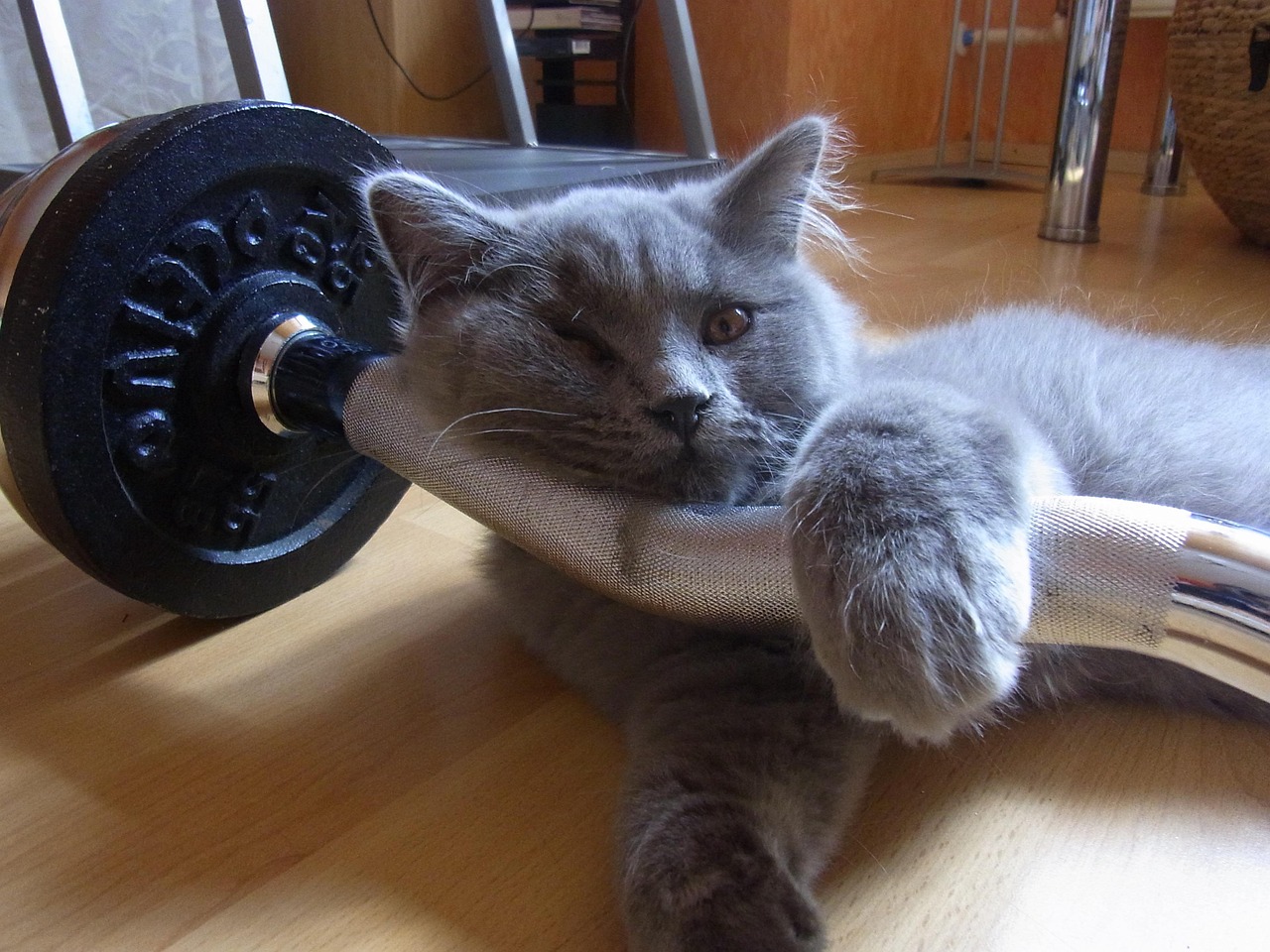

How to Choose the Best Silent Training Tools for Your Cat
When choosing silent training tools for your cat, it’s essential to consider various factors. Initially, your cat’s personality and behavior should guide your selection. Some cats respond better to positive reinforcement, while others may require alternative methods. Popular silent tools include clickers, soothing sprays, or silent whistles, which are effective without startling your pet. Another critical aspect is the comfort and safety of the tool. Ensure any equipment is non-toxic and suitable for your cat’s size and breed. Many tools come with user reviews and ratings, providing valuable insights into their effectiveness. Additionally, assess how easy the product is to use; complicated tools may lead to frustration for both you and your cat. While quality often indicates durability, it’s crucial to remain within budget. Look for tools offering a good balance between price and quality. Finally, consult your veterinarian or a feline behaviorist for recommendations tailored to your cat’s needs. By carefully considering these aspects, you can select the best silent training tools that foster a calm and effective training environment for your feline friend.
After selecting the right tools, it’s time to implement a training strategy tailored to your cat. For effective training, maintain a consistent routine that allows your cat to become familiar with commands and cues. Start in a quiet environment free of distractions. This would help your cat to focus better on the training. Use a firm yet gentle voice to convey commands while rewarding your cat with treats or affection for compliance. This way you reinforce positive behavior without using loud sounds that could frighten your pet. Patience is vital during this process; every cat learns at its own pace. Keep training sessions short—5 to 10 minutes—to avoid overwhelming your cat. If your cat seems disinterested or stressed, take a break and try again later. Gradually increase complexity as your cat masters basic commands. Remember, rely on silent methods to enhance your training experience. Incorporate daily playtime to bond with your cat while reinforcing the training learned. In these moments, enjoy the progress and celebrate small victories together. Successful training leads not only to better behavior but also a strengthened bond between you and your feline companion.
Benefits of Using Silent Training Tools
Silent training tools offer numerous benefits that can enhance your interaction with your cat. First, they minimize stress and anxiety in your pet, creating a more enjoyable training experience for both of you. No loud noises mean your cat can focus better on learning new commands without fear of sudden disruptions. This calmness translates into a more positive association with the training process. Additionally, silent tools promote a deeper bond between you and your cat as they rely on trust and understanding rather than fear. Second, these tools can assist in correcting unwanted behaviors without causing distress. For instance, gentle training collars or harnesses can guide your cat without harsh consequences that can arise from traditional training methods. Furthermore, because silent training methods focus on rewards, they foster an environment of encouragement and support, encouraging your cat to engage actively in learning. Lastly, silent tools can be useful for multi-pet households where noise levels should be kept to a minimum to prevent any jealousy or aggression among pets. Consequently, adopting these tools enhances training efficiency and yields a happier, healthier home for you and your feline friend.
Now that you understand the benefits, consider some recommended silent training tools available in the market. Tools such as **silent clickers** are popular choices, utilizing a soft, quiet mechanism to provide feedback without startling your cat. Another option is **treat-dispensing toys**, which combine play and reward without creating noise. These toys can keep your pet engaged and focused, encouraging them to learn commands as they earn treats. **Scented sprays** can also play a crucial role; they’re great for marking or guiding cats without loud noises, effectively influencing their behavior through pleasant scents. **Gentle harnesses** can aid in training walks without pulling or abrupt jerks. Consider checking online platforms or pet stores for customer reviews, which provide valuable information about product effectiveness. Additionally, **remote-controlled laser pointers** can be used silently to guide your cat’s attention without causing anxiety. These tools offer a strong combination of play and training. Lastly, avoid products that incorporate loud sounds or sudden movements, as they may worsen your cat’s anxiety rather than help them learn. Embrace the wide array of options available to suit your cat’s unique personality and training needs.
Creating an Ideal Training Environment
The training environment plays a pivotal role in how effectively your cat learns new commands using silent tools. Begin by finding a quiet corner of your home, free from distractions and loud sounds. This dampened atmosphere allows your cat to focus entirely on you and the tasks at hand. Scatter soft bedding or mats in that corner to create a cozy training haven, promoting comfort during training sessions. Clear out any clutter or items that may draw your cat’s attention away from training. Lighting also plays an essential role; opt for well-lit environments that don’t cast harsh shadows, which may intimidate your feline. Take into account the temperature—ensure it’s neither too hot nor too cold—to maintain your cat’s comfort level throughout training. Always keep treats or rewards ready to reinforce positive behavior immediately. Play soothing background music at a low volume, known to alleviate pet anxiety and create a relaxing ambiance. In conclusion, investing time in setting up an ideal training environment significantly impacts your cat’s learning outcomes, making the process more enjoyable and fruitful for both of you.
Another important aspect of your training approach is the timing of sessions. A successful training routine incorporates regular sessions throughout the day, allowing your cat to learn progressively without feeling overwhelmed. Look for times when your cat appears more active and engaged, typically during the hours adjacent to meals or playtime. These are moments when your cat may be more receptive to learning, as they’re generally in a good mood. Be discreet in your timing; avoid distractions such as loud noises or bustling activities in the home during training moments. Consistency is key; strive to maintain a regular schedule, such as daily or several sessions per week, to reinforce habits effectively. Remember, shorter sessions yield better results than longer ones, as extended periods can lead to fatigue or loss of interest. If your cat struggles to grasp a concept, return to simpler commands. Use silent tools to gently guide them back on track. Overall, patience, consistency, and understanding your cat’s unique pace will lead to successful training and create a more enjoyable experience for you both.
Conclusion: Reinforcing Training Success
In summary, selecting the best silent training tools for your cat involves careful consideration of personal needs, comfort, and training goals. Beneficial tools like silent clickers, scented sprays, and gentle harnesses create a positive environment that fosters effective learning. Pair these tools with an ideal training environment that promotes focus and comfort for your feline friend. It’s vital to utilize consistent and well-paced training sessions to maximize retention and engagement. Also, cats are known for their unique personalities, meaning you may need to modify your training approach to best suit your furry companion. Lastly, reinforcing positive behavior and celebrating small achievements solidifies their learning experience. Remember, good things come gradually; allow your cat to adjust and grow through the training process. By maintaining a supportive and patient attitude, you foster a loving bond with your pet that thrives on trust and understanding. Silent training tools provide not just peaceful methods of teaching but ultimately lead to well-behaved, happy felines. Enjoy the rewarding journey of cat training with patience, love, and the right tools that work best for your unique cat.
By following these tips, you can be confident in your ability to choose and utilize the best silent training tools for your cat. Skilled trainers often recommend incorporating positive reinforcement alongside silent commands, avoiding negative interactions wherever possible. Always keep your cat’s temperament and preferences in mind during training, as every cat learns at its own pace and in its own way. Enjoy the process, and don’t forget to engage in regular play to strengthen your bond. Your investment in silent training tools not only assists in achieving behavioral goals but enriches your pet’s life. With time, patience, and the right strategies, you can successfully guide your cat towards better behavior while maintaining a loving and gentle approach. This knowledge can help you navigate through training challenges and triumphs with confidence. Take this journey together! Establishing consistent routines and gentle reinforcement will ensure your cat feels secure, allowing for improved learning outcomes. By following these methods, you’ll cultivate an environment where your beloved cat thrives, resulting in a happier pet and a satisfied owner. Start today, and watch your feline flourish with your guidance, embracing the joy of training alongside their favorite human!