
Legal Requirements for Traveling with Your Adopted Dog
Traveling with your adopted dog requires awareness of various legal requirements that ensure both your pet’s safety and compliance with local laws. First, check leash laws that apply to the areas you plan to visit. In many cities, dogs must be leashed at all times in public spaces. Understanding local leash laws will help you avoid fines and other confrontations. Additionally, familiarize yourself with any breed-specific legislation that may exist in certain states or municipalities, which can restrict specific breeds. Furthermore, many parks and accommodations have their own rules concerning dogs, such as designated areas or restrictions. Make sure to obtain appropriate tags and licenses before you travel. A valid rabies vaccination certificate is often a requirement to travel with your dog, especially if crossing state lines. Having these documents readily accessible can save you hassle. Always consider microchipping your pet, as this significantly increases the chances of reunion should they get lost during your travels. Traveling responsibly with your dog ensures everyone enjoys a memorable adventure. Preparing in advance helps ensure a smooth and enjoyable trip for both you and your beloved pet.
Another important factor in traveling with your adopted dog is understanding health and safety regulations. Check with your veterinarian for any required vaccinations before your journey. Many states mandate proof of rabies vaccination to travel; failure to comply may lead to fines or, worse, having your dog quarantined. Additionally, keep a first-aid kit for your dog accessible during the trip. Include essential items, such as bandages, antiseptic, and any necessary medications. Make sure to research pet-friendly accommodations and transportation methods ahead of time. Look for hotels that openly welcome furry companions, as well as airlines that adhere to pet travel policies. Some airlines have specific regulations regarding pet carriers and size limits. The American Veterinary Medical Association also suggests confirming pet policies with your transportation provider. Doing so ensures that your dog does not face unwanted surprises during your travels. A good travel plan should account for regular breaks during long journeys, allowing your dog to stretch and relieve themselves. Keeping your dog hydrated with fresh water is equally crucial during such trips. This will keep them calm and happy, making for an enjoyable travel experience.
Documentation and Identification
Always ensure your dog has proper identification when traveling. This includes tags with your contact details as well as microchipping, which may greatly improve the chances of finding your pet should they become lost. If traveling interstate or abroad, having a health certificate is essential. Most veterinarians can provide this documentation if you contact them prior to your trip, ensuring that your dog is in good health. Furthermore, you may want to carry the pet’s adoption papers, which confirm ownership. This can help clarify any questions that may arise about your dog’s background or health status. Some destinations may have requirements regarding the breed or size of dogs allowed, making it necessary to read up on these regulations well ahead of your departure. In addition, take a list of local veterinarians in your travel area should an emergency arise. Familiarize yourself with local animal hospitals, just in case the need arises while you are away from home. Effective planning and documentation can prepare you and your dog for a safe and enjoyable adventure, ensuring peace of mind no matter where your travels lead.
Always remember to adhere to local regulations and ordinances about pet behavior when visiting new places. Different areas will have distinct rules regarding dog behavior, leash policies, and potential fines for violations. Familiarizing yourself with these guidelines can help you avoid unwanted issues that could ruin your vacation. Bear in mind that some public spaces may require dogs to be muzzled or suggest specific restraints. This often depends on the local animal control laws. In addition to leash laws, some cities or states have restrictions on where dogs are allowed, including parks or sidewalks. Always check if you have access to pet-friendly areas, as you wouldn’t want to accidentally end up in restricted zones. It’s also essential to respect the rights of others. Always clean up after your dog and dispose of waste properly to maintain cleanliness in public spaces. This simple action will show consideration for other travelers and local residents alike. You can ensure a positive experience for everyone while also enhancing your dog’s enjoyment during your travels.
Traveling by Air with Your Dog
If you are considering air travel with your precious dog, be aware of numerous airline policies related to pet travel. Different airlines have varying restrictions on pet sizes, weights, and carrier requirements. Prior to booking, always consult the airline’s specific rules regarding your canine companion. Many airlines allow small dogs to travel in the cabin, provided they fit comfortably in an appropriate carrier, while larger dogs may require cargo transport. Moreover, airline bookings can fill quickly for pet spots, so early reservations are recommended. Ensure your dog is familiarized with their carrier to help lessen anxiety during the journey, ideally weeks before travel. Additionally, consider investing in a comfortable and well-ventilated carrier to keep your dog calm during long flights. It’s also advisable to feed your dog a light meal prior to flying and to ensure they remain hydrated. Consult with your veterinarian to establish whether anxiety medication is necessary, especially for nervous dogs, to ensure an easier travel experience for everyone. Confirming regulations, ensuring your dog’s comfort, and maintaining clear communication with professional staff will contribute to a seamless travel experience.
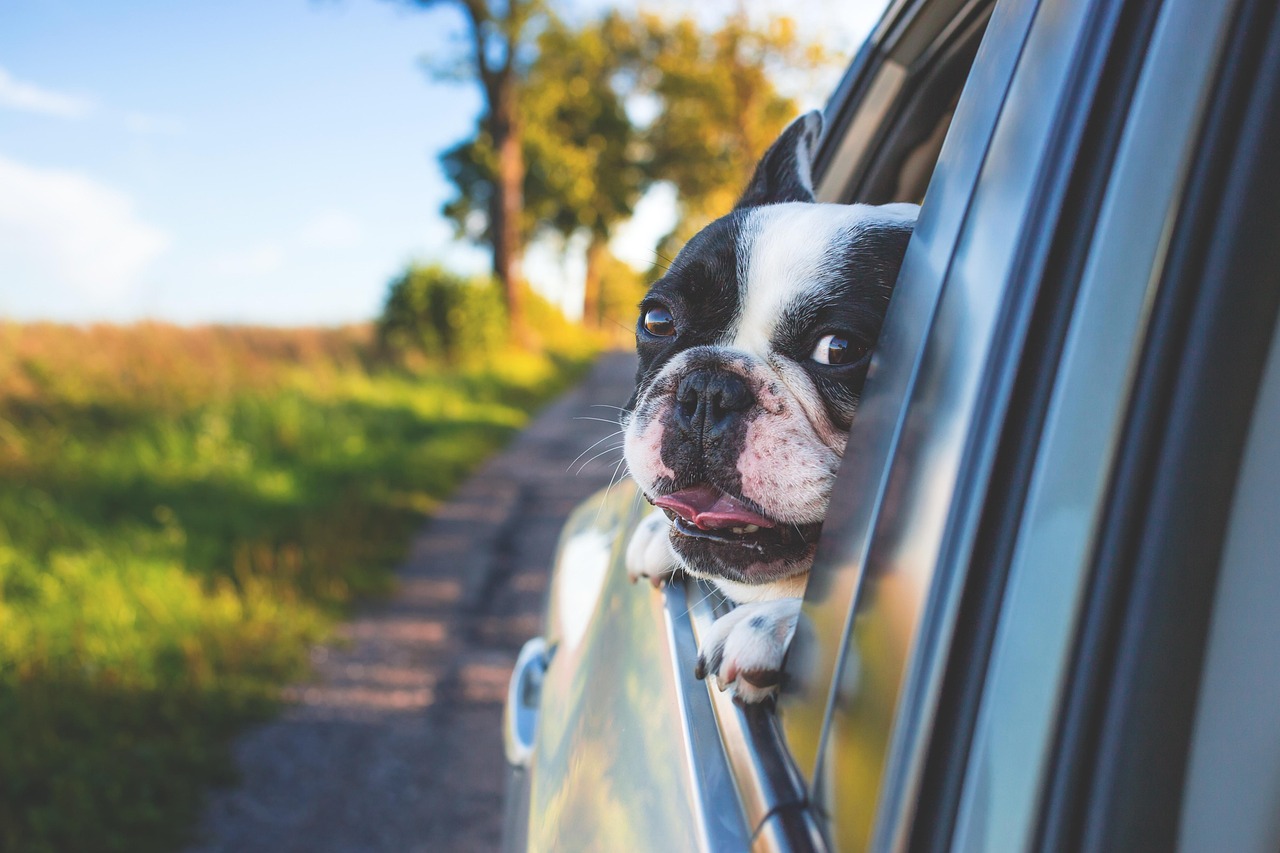
Traveling by road with your adopted dog can be a wonderful bonding experience. However, understanding some crucial safety measures can make your journey much more enjoyable. Firstly, ensure that your dog is in a secure position while traveling, whether inside a pet seatbelt or in a kennel designed for travel. An unsecured dog can pose a danger to both the driver and passengers. Furthermore, take frequent breaks to allow your dog to stretch, hydrate, and relieve themselves. Such breaks are not just beneficial for your dog’s physical health; they also provide an excellent opportunity for socializing with other dogs and building positive experiences. Always pack essentials such as food, water, and familiar toys to help their travel comfort. Additionally, never leave your dog unattended in a vehicle, as it can quickly lead to dangerous overheating. Plan an itinerary with dog-friendly attractions and stops to ensure your pet’s enjoyment and well-being. Create a travel environment that keeps your four-legged friend engaged and relaxed. Engaging activities can help alleviate the stress of long road trips, contributing to a positive experience for both you and your adopted dog.
Conclusion
In conclusion, traveling with your adopted dog can be a rewarding endeavor when you understand and comply with the various legal requirements and regulations involved. Take the time to research and gather essential documents, identification, and health information before embarking on your journey. Familiarize yourself with leash laws, airline policies, and health requirements in the areas you’ll be visiting. Whether traveling by air, road, or to another country, ensuring that your dog’s comfort and safety is a priority will elevate your travel experience. Each state’s rules can vary significantly, so adequate preparation is key. Don’t forget to factor in the needs of both you and your canine companion during your travels to maximize enjoyment. By adhering to these guidelines, everyone can embark on memorable trips filled with joy. Always be proactive about your dog’s health and safety while navigating local ordinances that pertain to pets. A little diligence in planning and preparation can go a long way toward ensuring a rewarding travel experience for both you and your beloved adopted dog. Together, you can explore new places and create cherished memories during your adventures.