
Internal Parasites: What Dog Owners Need to Know
Dog owners often face the challenge of ensuring that their pets remain healthy and free from internal parasites. Internal parasites such as worms can affect a dog’s overall health, leading to serious medical issues if left untreated. Understanding the life cycles and types of these parasites is crucial for effective prevention and control. Some of the common internal parasites include roundworms, tapeworms, hookworms, and whipworms. Each of these parasites has distinct characteristics, symptoms, and treatment methods. Regular veterinary check-ups are essential for early detection and management of these parasites in dogs. They can provide guidance on appropriate preventive medications and routine fecal tests. Pet owners should educate themselves on the risks associated with parasite infestations, particularly in younger dogs, as they can be more vulnerable. Good hygiene practices, along with regular deworming, play a vital role in safeguarding your pet’s health. By staying informed and proactive, dog owners can create a safe environment for their pets, reducing the likelihood of parasite-related illnesses.
Understanding Internal Parasites
Internal parasites possess unique characteristics that enable them to thrive within a host. Roundworms, for instance, are among the most common parasites found in dogs. These elongated worms can grow up to several inches long and lay thousands of eggs that infect the dog. Symptoms of infection include vomiting, diarrhea, and a bloated abdomen. On the other hand, tapeworms attach themselves to the intestinal lining and can often be identified by segments of their body, which may appear in the dog’s feces. Regular checks and treatments can help manage these issues effectively. Hookworms are another concern; they feed on the dog’s blood and can cause anemia, especially in puppies. Symptoms may not always be visible until severe anemia occurs. Whipworms, while less common, can also lead to significant health problems. Prevention is key when it comes to these parasites. Proper sanitization of your dog’s living area and minimizing exposure to contaminated environments can help decrease risks. Regular consultation with your veterinarian will ensure a robust prevention plan.
Maintaining a proactive approach towards parasite control in dogs involves a multi-faceted strategy. This includes implementing an effective deworming schedule supported by your veterinary practice. Deworming medications are generally categorized based on the type of parasite they target, so it is essential to follow the recommendations given by your veterinarian. Ensuring good hygiene within your dog’s living area can drastically reduce the risk of infection. Cleaning up after your pet and regularly washing bedding can help remove any potential eggs or larva present. Additionally, keeping your dog away from areas where they may come into contact with fecal matter from other animals is crucial. Nutrition also plays a role in maintaining your dog’s immunity against parasites. Providing a balanced diet rich in essential nutrients supports a strong immune response. Moreover, regular health check-ups can help catch any issues before they become severe. Flagging any unusual behaviors or symptoms promptly will enable quick intervention and treatment should any infestation occur. Collective effort in maintaining a clean environment and enhancing health will go a long way in ensuring your dog’s well-being.
The Importance of Regular Check-ups
Visiting the veterinarian regularly is an important aspect of effective dog parasite control. Veterinary professionals can provide routine fecal examinations, which are vital for diagnosing internal parasite infestations early. These exams help identify the presence of parasites before they can cause significant health problems. Besides fecal exams, veterinarians can tailor deworming protocols based on your dog’s specific needs and risk factors. This personalized approach helps prevent unnecessary medications and potential side effects. In addition, regular check-ups allow for vaccinations that protect against diseases transmitted by parasites. They can also educate you about the life cycles of various parasites and how to reduce risks within your pet’s environment. Educating yourself makes you more proactive about recognizing symptoms and taking action early on. Consistent communication with your veterinarian and adjusting your approach as your dog ages is essential. Furthermore, senior dogs may have different vulnerabilities compared to younger ones. Keeping your vet informed about any health changes aids in safeguarding your dog’s health effectively. Veterinary involvement is key to successful parasite management.
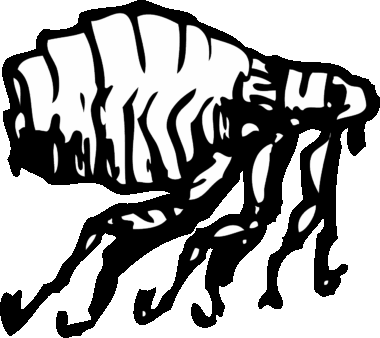
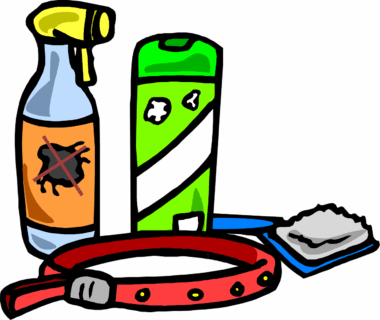
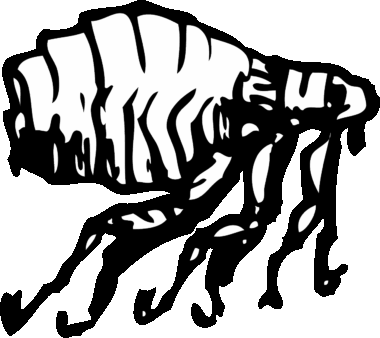
Implementing effective flea and tick control measures is also crucial in comprehensive dog parasite management. Fleas and ticks are external parasites, but their impact can lead to additional internal parasite risks. For example, fleas can act as a vector for tapeworms, further complicating health issues. It is vital to use veterinarian-recommended flea and tick prevention products to keep external parasitic infections at bay. Regular grooming is also important; brushing your dog can help detect the presence of these pests early. A well-groomed coat allows for better visibility of any areas that may be affected. Keeping your dog’s environment clean, such as regularly vacuuming your home and washing dog bedding, contributes to a parasite-free space. Ensure that your yard is also well-maintained, reducing habitats for fleas and ticks. Dogs that spend time outdoors should be monitored for signs of infestation, especially after trips to wooded areas or parks. Consistency in preventive measures across all seasons further reduces risks, as some parasites thrive in specific conditions. Together, these practices form a comprehensive approach to dog health.
Common Signs of Infestation
Recognizing signs of internal parasite infestation in your dog can greatly enhance your response strategy. Symptoms can often vary depending on the type of parasite involved and the dog’s individual health. Common indicators of roundworm infection include vomiting, diarrhea, and a noticeable increase in appetite without weight gain. If you notice your dog exhibiting a pot-bellied appearance, this may indicate a severe roundworm infestation, especially in puppies. For tapeworms, you may find small rice-like segments around the dog’s rear end or in their feces. Dogs with hookworm infestations may show a lack of energy and pale gums due to blood loss. Whipworm infections are often accompanied by mucus-covered feces or severe diarrhea. Regular observation of your dog’s behavior and health, along with prompt action when symptoms present, is vital. Keeping an open line of communication with your veterinarian can provide tailored guidance on these concerns. Maintaining adequate records of symptoms helps develop a more comprehensive treatment plan. Early intervention is key to reducing the health impact of these internal parasites.
Dog owners must stay informed and vigilant about internal parasite threats that can compromise their pets’ health. Good practices should include understanding the risk factors, following a strict deworming regimen, and maintaining cleanliness in the home environment. By equipping yourself with knowledge, you can significantly reduce the probability of internal parasites affecting your dog. Additionally, building a solid relationship with your veterinarian will ensure that you have access to the best advice and treatments. The endeavor to manage and control parasites should not be taken lightly, as these organisms can lead to severe health issues if not addressed in a timely manner. Encouraging awareness amongst fellow dog owners can contribute towards a healthier community for pets. Supporting local education initiatives centered around internal parasite control is also beneficial. Ultimately, keeping an ongoing check on your dog’s health and adjusting your practices as needed will create a lasting barrier against these unwanted visitors. This can lead to a happier, healthier life for your cherished companion.
In conclusion, dog parasite control is a multifaceted approach. Embracing preventive measures, routine veterinarian consultations, and hygiene practices contributes positively to your dog’s health. By implementing a proactive strategy to manage internal parasites, dog owners can ensure their pets have the best quality of life. Each dog is unique, and understanding their specific needs equips owners to take effective action. Tasks such as deworming, monitoring signs of infestation, and improving your dog’s living environment all play crucial roles. Addressing internal parasites not only protects individual pets but also promotes overall community health. Owners should also remain highly adaptable; as parasites evolve, new treatments will continue to emerge. Staying educated as a pet owner will empower you to react appropriately to any health concerns. The bond between you and your dog thrives through care and attention to health. Regular conversations with your veterinarian about best practices will keep you informed about new findings and treatments. As a responsible dog owner, your commitment to parasite control sets a standard for others in the community. Fostering compassion and diligence creates a ripple effect of canine wellness. Your dog deserves nothing less than the best care possible.