
Veterinary Treatments for Cat Ear Mites Explained
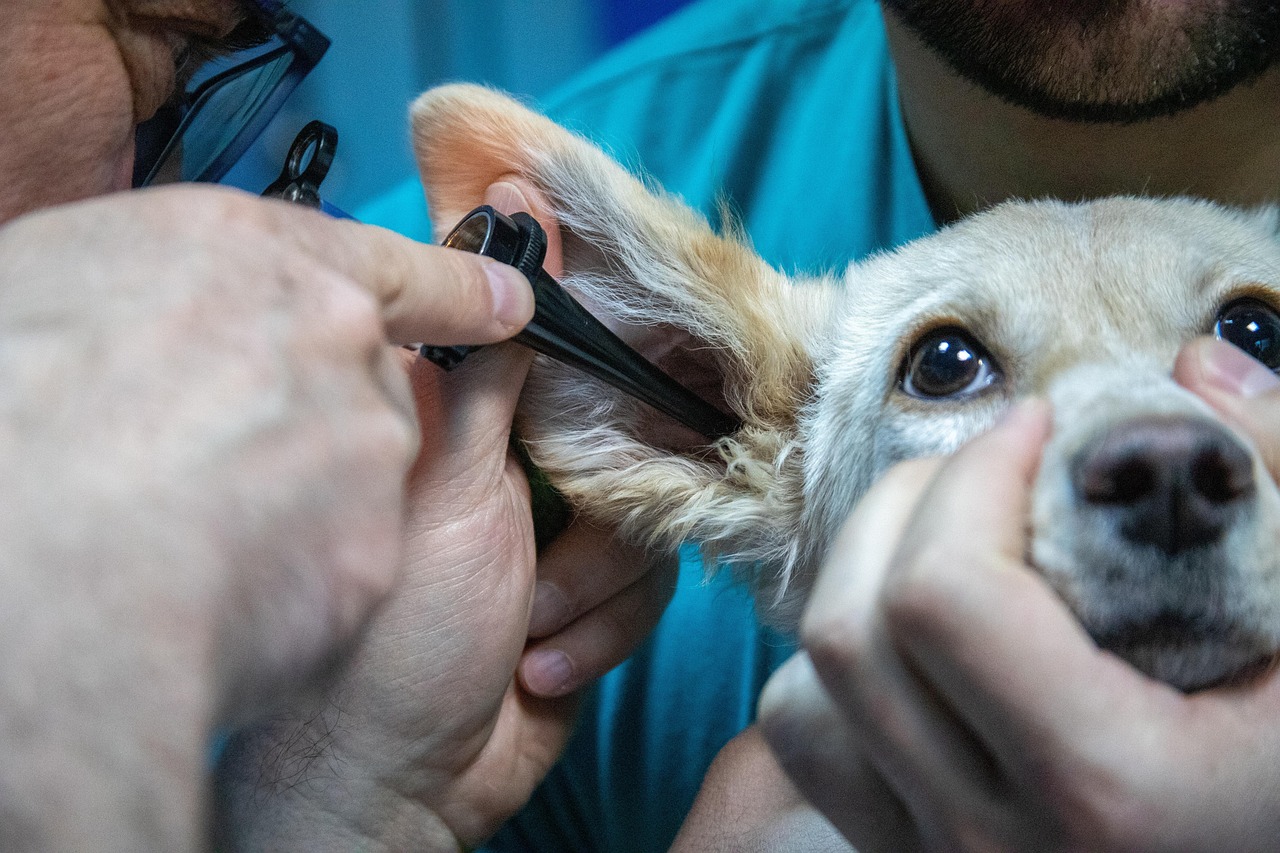
Ear mites are a common and pesky issue for many cat owners. These tiny parasites, specifically known as Otodectes cynotis, thrive in the ear canals of felines, leading to discomfort and possible infections. Recognizing the signs of ear mites is crucial. Symptoms often include intense scratching at the ears, shaking of the head, and the presence of dark, crumbly debris in the ear. If you suspect your cat has ear mites, it’s essential to consult a veterinarian. The vet will perform a thorough examination, often using an otoscope to inspect the ears closely. Immediate veterinary intervention is necessary to prevent complications such as bacterial infections or more severe health issues. Treatment options include both topical and systemic medications. Topical treatments can be applied directly to the ear, while systemic medications may include oral medications or injectable treatments. Additionally, it’s important to treat all pets in the household to prevent re-infestation. Never attempt home remedies without professional advice, as improper treatment can worsen the condition and cause further harm to your feline friend.
One of the most effective veterinary treatments for cat ear mites is the use of topical insecticides. These medications are designed to specifically target ear mites while being safe for cats. Typically available as solutions or ointments, these products are applied directly into the cat’s ear canal. Ensure you follow the veterinarian’s instructions precisely regarding the dosage and frequency of application. Systemic treatments, such as oral medications, are another common method used in veterinary clinics. These medications work by entering the cat’s bloodstream and effectively eliminate mites throughout the body, including the ears. Your veterinarian may also recommend a combination of both topical and systemic treatments for more severe infestations. It’s important to schedule a follow-up visit to your vet to ensure the treatment is working effectively. During this second visit, the vet will assess the condition of your cat’s ears and may need to repeat treatments based on their findings. Lastly, keeping your cat’s environment clean by regularly grooming them and cleaning their bedding can reduce the risk of future infestations.
Understanding Ear Mites’ Life Cycle
Understanding the life cycle of ear mites is vital for effective treatment and prevention. Ear mites typically reproduce within a few days after infesting a host. Adult female mites lay eggs in the ear canal, which hatch into larvae after a week. These larvae then mature into nymphs and eventually become adults in about two weeks. Consequently, if undetected, a minor infestation can escalate rapidly. Because ear mites can live off the host for a short time, your cat can acquire them easily from other infected animals. In households with multiple pets, ensure every animal undergoes examination and treatment simultaneously to prevent cross-infestation. Moreover, ear mites thrive in environments that are warm and dark, making your cat’s ear canal the perfect breeding ground. Cleaning your cat’s ears regularly as part of its grooming routine can help maintain ear hygiene, making it less inviting for these pests. Additionally, discussing preventive treatments with your veterinarian can further protect your feline friend, especially if it frequents boarding, grooming spaces, or interacts with other animals often. Regular check-ups will contribute to your cat’s overall ear health.
Home remedies can seem appealing, but they may not be effective and can sometimes aggravate the situation. It’s crucial to consult your veterinarian before attempting any form of treatment. Treatment without proper diagnosis can lead to mismanagement of the condition. In some cases, ear mites can mimic symptoms of other diseases, such as bacterial infections or allergies. Therefore, the vet’s expertise is essential in diagnosing the correct condition to address. Following the veterinarian’s recommendations diligently is also vital. This includes adhering to the prescribed treatment plan, attending follow-up appointments, and monitoring your cat for signs of improvement or worsening symptoms. Additionally, consider lifestyle adjustments that can help ease your cat’s discomfort. Regularly cleaning your cat’s ears per vet guidance may prevent future infestations and promote ear health. Moreover, try to keep your cat stress-free during treatment. Stress can sometimes impede recovery, so creating a calm environment with soothing activities like petting and playtime can support a smoother healing process. Education on the prevention and early detection of ear mites can empower cat owners and improve their pets’ overall health.
Long-term Prevention Strategies
After successful treatment for ear mites, it’s essential to adopt long-term prevention strategies. One effective method is to regularly monitor your cat’s ears for early signs of irritation or debris. Make it a habit to examine their ears weekly. Any unusual dark substances or excessive scratching may indicate a re-infestation. The following precautionary measures can help maintain ear health. First, ensure your cat’s living environment is clean, as mites thrive in unkempt areas. Regularly wash your cat’s bedding, toys, and any fabrics it frequently interacts with. Second, consider fostering a healthy diet for your cat, as a well-nourished pet has enhanced immune responses. Discuss dietary requirements with your veterinarian to ensure your cat’s needs are met. Third, scheduling regular veterinary check-ups is essential in monitoring your cat’s health and well-being. Your vet can guide preventive treatments and help establish an appropriate grooming regimen. Lastly, avoid allowing your cat to interact with unknown animals or visit places where animals congregate. Controlling exposure to potential carriers of ear mites is crucial in safeguarding your feline friend against future infestations.
In summary, understanding and treating ear mites in cats is an essential part of responsible cat care. These ubiquitous pests can lead to significant discomfort and health issues for your feline friend if left untreated. Early detection through regular observation of behavior and ear cleanliness can make a tremendous difference. When treatment is required, trust your veterinarian’s advice and utilize the prescribed medications effectively. Remember, combining topical and systemic treatments tends to yield the best results, and follow-up care is critical in ensuring the ear mites are gone entirely. Additionally, fostering good hygiene practices in your cat’s living space and interacting cautiously with other animals can minimize the chances of reinfestation. With vigilance and appropriate care, your cat can enjoy healthier ears and a comfortable quality of life. Keeping informed about potential signs and symptoms and maintaining a clean environment can empower you as a pet owner. The more proactive you are, the more likely your cat will stay healthy and happy. Ultimately, investing effort in prevention and treatment ensures your cat can live a full life without the nuisance of ear mites.
Consulting Your Vet Effectively
When addressing the issue of ear mites, effective communication with your veterinarian is crucial. Prepare a list of observations regarding your cat’s symptoms prior to the appointment. Note any behavior changes, such as scratching or pawing at the ears, head shaking, or signs of discomfort. In addition to visible symptoms, tracking your cat’s grooming habits and overall health is equally important. Sharing relevant health history with the vet can aid them in tailoring the treatment. Additionally, inform the vet of any other pets in the household that may show similar symptoms or previously treated for ear mites. Ensuring your cat’s vet has comprehensive information will enhance their ability to suggest the best care plan. Follow up with any questions or concerns after the appointment, whether from picking up medications or understanding treatment protocols. This dialogue helps refine approaches to treatment. Ultimately, engaging positively with your veterinarian empowers you as a cat owner to make informed decisions about your cat’s health, leading to timely and effective treatment for troublesome ear mites.
A proactive approach in understanding and treating your cat can lead to a healthier pet. Managing ear mites isn’t just a one-time effort; it’s an ongoing commitment to your cat’s health. Taking the time to educate yourself on ear mite prevention, signs, and treatments will yield better outcomes. Combining professional veterinarian guidance with diligent at-home care will establish a solid foundation for your cat’s well-being and comfort. Plan to remain engaged in your cat’s health, observing their behavior and health throughout. Recognizing and acting on any signs of distress early ensures that any significant health issues are caught in time. Just as importantly, always approach treatment and prevention holistically, engaging your vet at every step to create an effective care plan tailored uniquely for your pet. Healthy habits, regular check-ups, and attentive care can ultimately improve your relationship with your cat, strengthening bonds through the shared experience of proactive pet ownership. In closing, remember that by staying informed and proactive about your cat’s health, you can help it lead an enjoyable, comfortable life, free from discomfort and irritation caused by ear mites.